EU condemns Houthi attacks on Saudi Arabia and Red Sea shipping
Synopsis
The EU has issued its strongest rebuke yet of Houthi military activity, with European Council President Costa personally calling on the group to stand down — weeks after a Houthi strike on Riyadh's main airport killed 12 people. With Red Sea shipping under sustained attack and UN diplomacy stalled, Brussels is signalling that Europe's strategic and humanitarian interests are now directly in the crossfire.
Key Takeaways
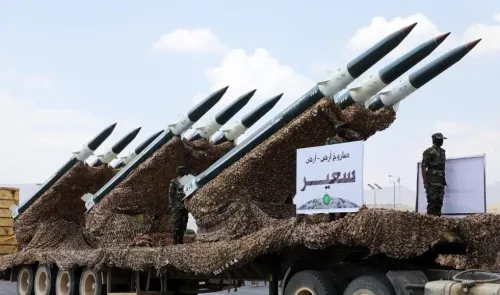
The EU on 27 October 2026 strongly condemned Houthi attacks within Yemen , against Saudi Arabia , and on Red Sea shipping.
European Council President António Costa spoke directly with Yemen's Presidential Leadership Council Chairman Rashad al-Alimi to reaffirm EU solidarity with the Yemeni government.
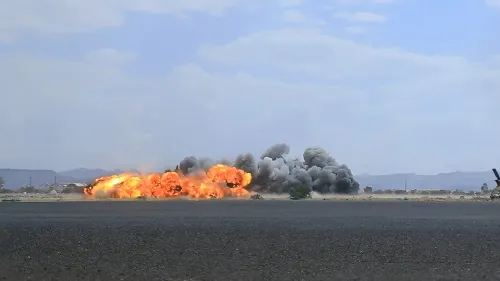
A Houthi strike on King Khalid International Airport in Riyadh on 10 October killed 12 people and injured 309 others , including nationals from Bangladesh , the US , Egypt , Jordan , Syria , Palestine , and Sudan .
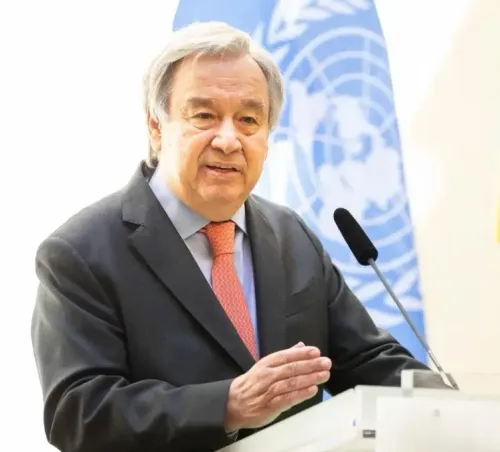
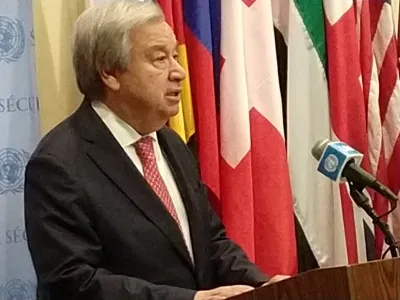
UN Secretary-General António Guterres had condemned the airport strike on 11 October , calling it a violation of international law.
The Houthi group said it was open to keeping airports and seaports with humanitarian functions outside the conflict, while the Saudi-led coalition vowed a firm response.
The EU called for an inclusive political solution under UN auspices as the only path to lasting peace in Yemen.
The European Union (EU) on Tuesday, 27 October 2026, strongly condemned Houthi attacks within Yemen, targeting Saudi Arabia and disrupting shipping in the Red Sea, calling on the militant group to immediately halt hostilities and return to UN-mediated negotiations. European Council President António Costa conveyed the bloc's position directly to Rashad al-Alimi, Chairman of Yemen's Presidential Leadership Council, during a phone call.
Costa's Direct Message to Sana'a
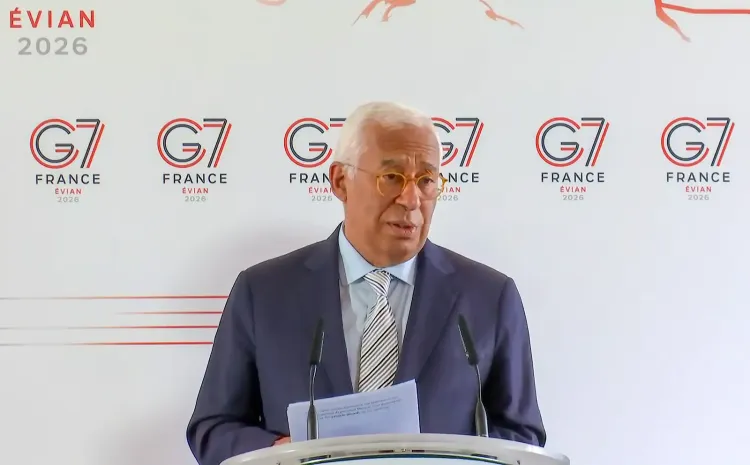
In a post on X, Costa said he had spoken with President al-Alimi to reaffirm the EU's solidarity with the Yemeni government. 'The war in Yemen is intensifying, deepening the humanitarian crisis and affecting millions of people. I just spoke with President Rashad al-Alimi to reaffirm the EU's full solidarity with and support for the Government of Yemen and its efforts to restore peace and stability,' he wrote.
Costa added: 'I conveyed the EU's strong condemnation of Houthi attacks within Yemen, against Saudi Arabia and on shipping in the Red Sea. We call on the Houthis to immediately cease their attacks, de-escalate and return to negotiations under UN auspices. Only an inclusive political solution can bring lasting peace to Yemen.'
The Riyadh Airport Strike That Triggered Condemnations
The EU's statement follows a deadly Houthi drone and missile strike on King Khalid International Airport in Riyadh on 10 October, which killed 12 people and injured 309 others, according to the Saudi General Authority of Civil Aviation. Among those killed were four Saudi citizens and eight foreign residents — including two Bangladeshis and individuals from the United States, Egypt, Jordan, Syria, Palestine, and Sudan.
UN Secretary-General António Guterres had already condemned the strike in a statement on 11 October, saying he was 'deeply shocked' and stressing that 'attacks on civilians and civilian infrastructure violate international law' and 'must cease immediately.'
Houthi Response and Saudi Vow to Retaliate
Following the airport strike, the Houthi group issued a statement indicating readiness for reciprocal arrangements with Saudi Arabia to keep airports, seaports, and other facilities with humanitarian functions outside the escalating military confrontation. The Saudi-led coalition, however, vowed to respond firmly, particularly given that the strike targeted a passenger terminal. The exchange marks a dangerous escalation in a pattern of strikes on major airports by both sides.
Broader Impact on the Red Sea and Global Shipping
Beyond the bilateral Saudi-Houthi confrontation, the EU's condemnation specifically flagged attacks on Red Sea shipping — a waterway through which a significant share of global trade transits. Houthi strikes on commercial vessels have forced major shipping lines to reroute around the Cape of Good Hope, adding weeks to transit times and pushing up freight costs. This comes amid broader international pressure, including from a US-led naval coalition, to protect freedom of navigation in the corridor.
What Comes Next
The EU has called for an inclusive political process under UN auspices, though diplomatic progress remains elusive given the Houthis' operational tempo and their perceived leverage from ongoing regional tensions. The bloc's statement signals a coordinated Western diplomatic push, but without fresh enforcement mechanisms, its immediate impact on the ground is uncertain. International observers will watch whether the Houthi group's offer to spare humanitarian infrastructure translates into any operational change.
Point of View
While diplomatically significant, arrives without new enforcement teeth — and that gap matters. Brussels has repeatedly called on the Houthis to de-escalate since the Red Sea crisis erupted, yet the group's operational tempo has only increased. The Riyadh airport strike, which killed civilians of eight nationalities, underscores that this is no longer a contained regional conflict; it is a multi-front disruption with global supply-chain consequences. The more telling question is whether the EU will move from statements to coordinated sanctions or naval enforcement, and whether its unity on Gaza-linked tensions will hold long enough to make collective pressure on the Houthis credible.
NationPress
27 Oct 2026
Frequently Asked Questions
Why did the EU condemn Houthi attacks on 27 October 2026?
The EU condemned the Houthi attacks because of their escalating strikes inside Yemen, against Saudi Arabia, and on commercial shipping in the Red Sea — all of which deepen the humanitarian crisis and threaten international trade routes. European Council President António Costa called on the Houthis to cease attacks and return to UN-led negotiations.
What happened at King Khalid International Airport in Riyadh?
A Houthi strike on King Khalid International Airport in Riyadh on 10 October killed 12 people and injured 309 others, according to the Saudi General Authority of Civil Aviation. The victims included four Saudi citizens and eight foreign nationals from Bangladesh, the US, Egypt, Jordan, Syria, Palestine, and Sudan.
What did UN Secretary-General Guterres say about the airport attack?
Guterres said on 11 October that he was 'deeply shocked' by the strike and strongly condemned it, stating that attacks on civilians and civilian infrastructure violate international law and must cease immediately.
How have Houthi attacks affected Red Sea shipping?
Sustained Houthi strikes on commercial vessels in the Red Sea have forced major shipping lines to reroute around the Cape of Good Hope, significantly increasing transit times and freight costs. The EU's condemnation specifically flagged these attacks as a threat to global trade.
What is the Houthi group's stated position on civilian infrastructure?
After the Riyadh airport strike, the Houthi group said it was ready for reciprocal arrangements with Saudi Arabia to keep airports, seaports, and facilities with humanitarian functions outside the military confrontation. The Saudi-led coalition, however, vowed a firm response to the attack.