Bangladesh democracy stalls two years after 2024 protests, women's political role shrinks
Synopsis
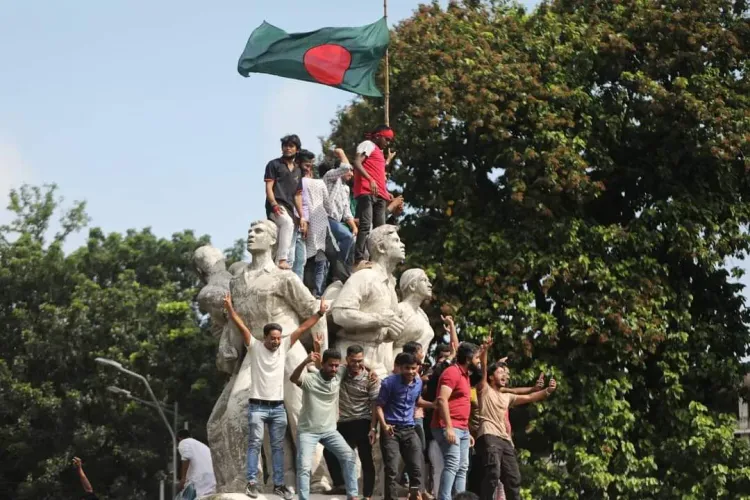
Two years on from the July 2024 protests that promised to reshape Bangladesh's politics, experts at a Dhaka forum say the democratic transformation never arrived. The opposition is at its weakest in history, women are being pushed out of politics through digital violence and underrepresentation, and the 2024 movement's broad coalition has fractured along ideological lines — raising serious questions about whether the window for reform has already closed.
Key Takeaways
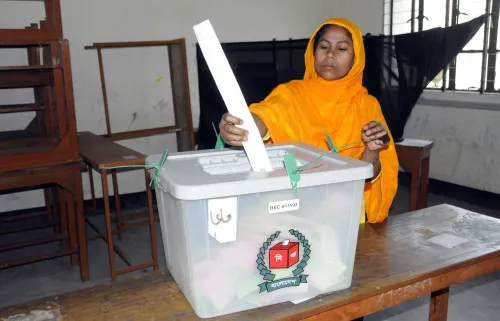
Experts at a BIGD–BRAC University forum in Dhaka say Bangladesh's electoral democracy has not meaningfully advanced two years after the July 2024 protests.
Mahfuj Alam , former interim government adviser, said the movement's coalition collapsed as right-wing positions gained ground and the Left was sidelined.
BIGD Adviser Mirza M Hassan described Bangladesh's current opposition parties as the weakest in the country's history, with the Awami League absent, Jamaat lacking confidence, and the NCP remaining marginal.
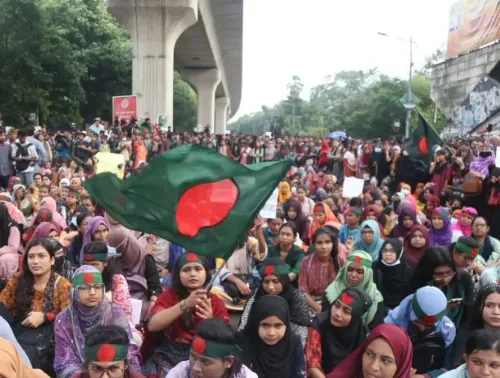
Women who led the 2024 protests faced escalating backlash; the 2026 elections saw very few women nominated for general seats, according to researcher Sohela Nazneen .
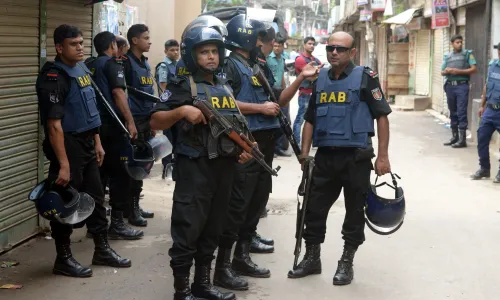
Researcher Yasin Shafi warned that state repression of political activists remains entrenched, and only regular competitive elections can deliver genuine democratic transition.
Anik Roy of Network for People's Action argued that without economic reform, constitutional changes alone cannot establish functional democracy.
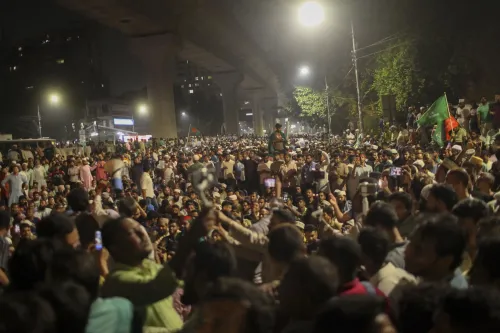
Two years after the July 2024 demonstrations that shook Bangladesh, experts say the anticipated overhaul of electoral democracy and political party behaviour has largely failed to take hold — and women's political participation has measurably declined in the interim, according to local media reports citing researchers and political analysts.
The assessments emerged from a panel discussion titled 'Return of Electoral Democracy in Bangladesh: Reflections and Learnings from 2026', jointly organised by the BRAC Institute of Governance and Development (BIGD) and BRAC University in Dhaka.
Coalition Collapse and the Return of Majoritarian Politics
Mahfuj Alam, organiser of Alternatives and former interim government adviser, attributed the political stagnation to deep ideological fractures that broke apart the broad coalition that had formed around Bangladesh's National Citizen Committee during the protests.
'The movement's attempt at a post-ideological middle ground faltered as right-wing positions gained ground and the Left was sidelined. The country reverted to majoritarian politics, failing to build a centrist alternative,' The Daily Star quoted Alam as saying.
He further argued that instead of delivering reform, factions splintered under pressure from establishment figures and senior advisers who, in his words, 'treated the movement's collective power as spoils to be divided, undermining the prospects for a sustainable political alternative.'
Weakest Opposition in Bangladesh's History
BIGD Adviser Mirza M Hassan told the session that Bangladesh is currently facing what he described as the weakest opposition parties in the country's history. 'The Awami League is absent from politics, Jamaat lacks confidence, and the NCP remains a very small party,' he stated.
This vacuum, analysts warn, creates conditions where competitive elections — widely seen as essential to democratic health — cannot function as a genuine check on those in power.
Women Sidelined Despite Leading the 2024 Protests
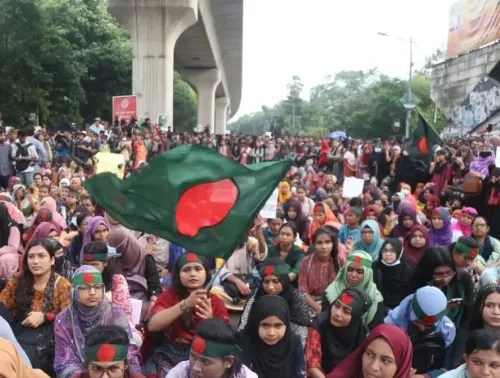
Researcher Sohela Nazneen of the Institute of Development Studies at the University of Sussex noted that while women played a central role in the 2024 demonstrations, they faced escalating backlash in the aftermath. She said the 2026 elections saw very limited representation of women, with very few nominated for general seats and continued dependence on reserved seats, according to The Daily Star.
Bangladeshi politician Tasnim Jara described the political system as 'rigged,' warning that women continue to face organised digital violence and character assassination. She argued that elite-led political transitions routinely fail to reflect public sentiment, leaving women vulnerable to coordinated attacks, and stressed the need to dismantle structures that perpetuate their exclusion from decision-making.
Tajnuva Jabeen, an organiser of Alternatives, called for building a 'minimum common ground' across ideological lines to enable peaceful political transitions.
Democracy as a 'Luxury' Amid Economic Hardship
Anik Roy, founder member of Network for People's Action, argued that democracy remains a 'luxury item' for many Bangladeshis struggling with economic insecurity. 'Until we implement economic reforms and build sustainable industries, constitutional changes alone will not establish democracy. We need a system that ensures accountability, transparency, and dignity for every citizen,' he said.
State Repression and the Path Forward
Yasin Shafi, a researcher at Pennsylvania State University, warned that political activists continue to face state repression, legal persecution, and violence. He cautioned that repression remains 'cheap' for those in power, allowing partisan violence to become entrenched. Only regular competitive elections and robust safeguards for opposition activists, he argued, can deliver a genuine democratic transition in Bangladesh.
Taken together, the experts' assessments paint a sobering picture: the promise of the 2024 protests has yet to translate into structural democratic change, and the window for reform may be narrowing.
Point of View
The 2024 movement's 'post-ideological' ambition was always fragile — a coalition held together by a shared adversary rather than a shared programme. Once that adversary was displaced, the coalition had nowhere to go. More troubling is the women's representation data: the 2026 elections suggest the protests may have actually accelerated a backlash against women in public life, rather than opening space for them. And with the Awami League absent, Jamaat subdued, and the NCP marginal, Bangladesh has no credible opposition architecture — which means competitive elections, the single most reliable democratic safeguard, cannot function as intended. The risk now is that the post-2024 period becomes a missed-generation moment, where the energy of the streets was absorbed by establishment figures and never converted into institutional reform.
NationPress
6 Aug 2026
Frequently Asked Questions
What did experts say about Bangladesh's democracy two years after the 2024 protests?
Experts at a BIGD–BRAC University forum in Dhaka said the anticipated transformation in Bangladesh's electoral democracy and political party behaviour has not materialised two years after the July 2024 demonstrations. They cited coalition collapse, weakening opposition parties, and declining women's political participation as key concerns.
Why did Bangladesh's National Citizen Committee coalition break apart?
According to former interim government adviser Mahfuj Alam, sharp ideological rifts caused the coalition's collapse, with right-wing positions gaining ground while the Left was sidelined. He also said establishment figures and senior advisers treated the movement's collective power as 'spoils to be divided,' undermining any prospect of a sustainable political alternative.
How has women's political participation changed in Bangladesh since 2024?
Women's political participation has declined since the 2024 protests. Researcher Sohela Nazneen noted that the 2026 elections saw very few women nominated for general seats, with continued dependence on reserved seats. Politician Tasnim Jara described a 'rigged' system in which women face organised digital violence and character assassination.
What is the state of Bangladesh's opposition parties in 2026?
BIGD Adviser Mirza M Hassan described Bangladesh's opposition as the weakest in the country's history. The Awami League is absent from active politics, Jamaat-e-Islami lacks confidence, and the National Citizens' Party (NCP) remains very small, leaving no credible opposition architecture for competitive elections.
What do experts say is needed for genuine democratic transition in Bangladesh?
Experts called for regular competitive elections, safeguards for opposition activists, economic reforms to address inequality, and dismantling structures that exclude women from decision-making. Researcher Yasin Shafi warned that without these measures, state repression will remain entrenched and partisan violence will persist.