FBI reports 85% surge in nihilistic extremism cases, flags child threat online
Synopsis
The FBI's 85% surge in nihilistic extremism cases is not just a counterterrorism story — it is a child-safety crisis. With over 1,474 active investigations and networks like '764' targeting children as young as nine across gaming apps and social media, the bureau has merged its counterterrorism and child-protection units for the first time, signalling just how deeply these two threats have converged.
Key Takeaways
The FBI recorded an approximately 85 per cent increase in nihilistic violent extremism cases in 2026 , with more than 1,474 pending investigations .
FBI Deputy Director Christopher Raia disclosed the figures at a House Homeland Security Committee hearing on 18 November 2026 .
A dedicated FBI unit now combines counterterrorism and violent-crimes-against-children specialists to investigate overlapping online networks.
Networks known as '764' use sadistic online exploitation tactics to manipulate and blackmail victims, often beginning with fabricated friendships on gaming and social media platforms.
Victims are typically aged 10 to 17 , with cases involving children as young as nine ; the threat is described as international.
The FBI urges parents to watch for sudden withdrawal, unexplained gifts, and fear-inducing online relationships as early warning signs.
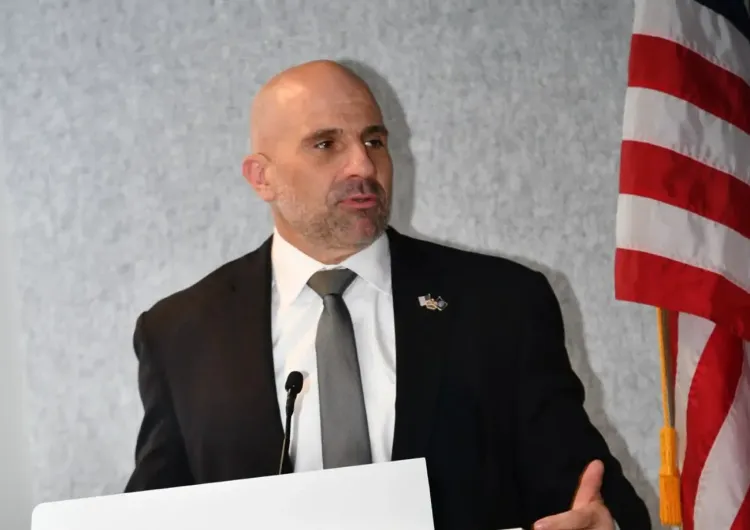
The Federal Bureau of Investigation (FBI) has recorded an approximately 85 per cent increase this year in cases involving extremists who seek to spread chaos and destruction, with the bureau now counting more than 1,474 pending investigations under what it terms nihilistic violent extremism. FBI Deputy Director Christopher Raia disclosed the figures while testifying before the House Homeland Security Committee in Washington on 18 November 2026, warning that these networks increasingly target children online.
Scale of the Threat
Deputy Director Raia described nihilistic violent extremists as individuals driven by 'hostility toward society and a desire to destabilise it through chaos and destruction.' He placed this category alongside anti-government extremists and racially or ethnically motivated extremists as the principal domestic violent extremism threats currently facing the United States. It is important to note that the figures cited reflect active investigations, not the number of confirmed attacks or convictions.
Dedicated Unit Combining Counterterrorism and Child Protection
The FBI has established a specialised unit that brings together experts in counterterrorism and violent crimes against children to investigate these overlapping threats. The bureau also works with foreign partners to disrupt networks operating both inside the United States and abroad, Raia confirmed. This joint approach reflects growing recognition that online child exploitation and nihilistic extremism are increasingly intertwined.
How Online Networks Target Children
An FBI Boston advisory issued in February detailed networks commonly known as '764' and related groups, which befriend vulnerable individuals online before manipulating and blackmailing them into progressively harmful conduct. The bureau calls this tactic sadistic online exploitation — perpetrators use abusive material to maintain control over victims and demand further acts. A subsequent warning from the FBI Philadelphia office in September noted that these networks operate through social media platforms, gaming apps, and mobile applications widely used by young people. Offenders reportedly establish a friendship or romantic relationship first, then use threats and coercion to shame and isolate their targets.
Who Is Being Targeted
Victims are typically aged between 10 and 17, though investigators have encountered children as young as nine. Adults can also be targeted, and the Philadelphia advisory described the threat as international, with victims identified in the United States and elsewhere. The bureau cautioned that not everyone participating in such networks shares a nihilistic extremist motivation — some act for sexual gratification, social status, or a sense of belonging, and investigators assess each case individually. Membership in an abusive online network, therefore, does not automatically establish a specific extremist motive, even when the underlying conduct is criminal.
Guidance for Parents and Caregivers
The FBI has urged parents and caregivers to watch for warning signs including sudden withdrawal, changes in sleeping or eating habits, unexplained gifts, and an online relationship that appears to cause fear or distress. The bureau recommends maintaining open communication with children, applying parental controls on devices, and preserving any messages that could serve as evidence. Children should be clearly informed that they can refuse requests for explicit images, even from someone they trust, the advisory said. The bureau's expanded investigative infrastructure and international partnerships signal that authorities view this as a long-term, evolving threat rather than an isolated surge.
Point of View
Tactics, and victims. The 85 per cent case-count surge is striking, but the more consequential signal is the bureau's acknowledgement that networks like '764' exploit the same vulnerabilities as traditional radicalisation pipelines. What remains underexamined is the platform accountability question: gaming apps and social media services are the operating environment for these networks, yet the committee testimony focused almost entirely on law-enforcement response. How much pressure the FBI and Congress will apply to tech platforms — and whether that pressure translates into structural changes — will determine whether the case count continues to climb.
NationPress
18 Nov 2026
Frequently Asked Questions
What is nihilistic violent extremism according to the FBI?
The FBI defines nihilistic violent extremism as a category of domestic threat involving individuals driven by hostility toward society and a desire to destabilise it through chaos and destruction. It is listed alongside anti-government extremists and racially motivated extremists as one of the principal domestic violent extremism threats in the United States.
How large is the 85% rise in FBI extremism cases?
As of the testimony on 18 November 2026, the FBI had more than 1,474 pending cases classified as nihilistic violent extremism — representing an approximately 85 per cent increase compared to the prior year. These figures reflect active investigations, not confirmed attacks or convictions.
What is the '764' network and how does it target children?
'764' refers to an online network, flagged in a February FBI Boston advisory, that befriends vulnerable individuals before manipulating and blackmailing them into increasingly harmful conduct. The FBI calls this tactic sadistic online exploitation, and says perpetrators operate via social media, gaming platforms, and mobile apps popular with young people.
Who are the typical victims of these online extremist networks?
Victims are typically between 10 and 17 years old, though the FBI has encountered children as young as nine in its investigations. Adults can also be targeted, and the threat is described as international, with victims identified in the United States and elsewhere.
What should parents do to protect their children from these networks?
The FBI advises parents and caregivers to maintain open communication with children, use parental controls on devices, and preserve any suspicious messages as potential evidence. Warning signs include sudden withdrawal, changes in sleeping or eating habits, unexplained gifts, and an online relationship that appears to cause fear. Children should be told they can refuse requests for explicit images even from people they trust.