FICCI urges USTR to drop blanket India tariff, back evidence-based forced labour fix

Synopsis
FICCI took its case directly to Washington, telling a USTR Section 301 hearing that a blanket 12.5% tariff on all Indian imports is the wrong tool for fighting forced labour — and would end up penalising compliant exporters while raising costs for American businesses and consumers. The chamber wants sector-specific, risk-based scrutiny instead.
Key Takeaways
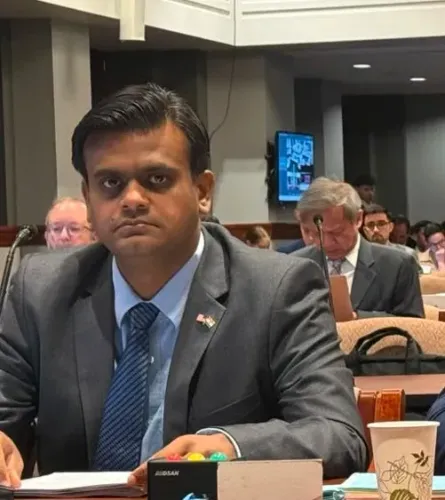
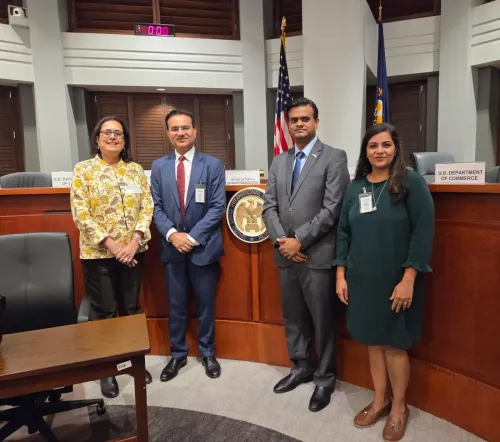
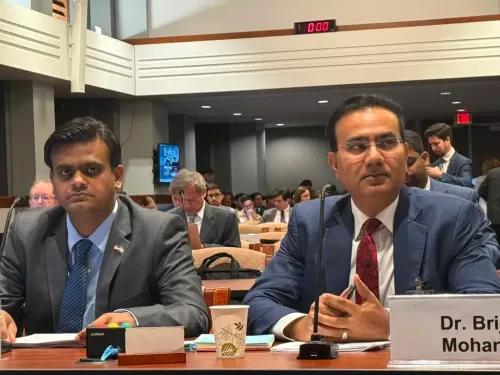
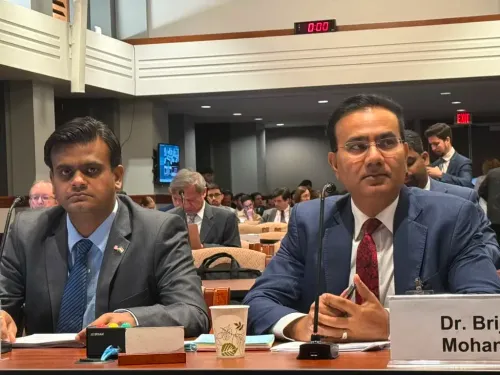
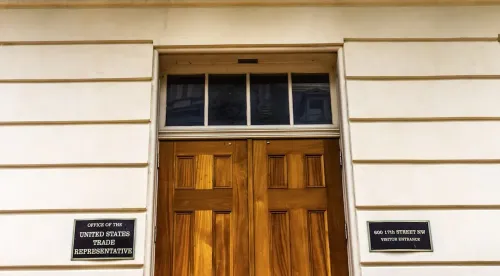
FICCI representative Poornima Shenoy appeared before a USTR Section 301 hearing in Washington on 9 July .
FICCI urged the US to drop its proposed 12.5% across-the-board tariff on Indian imports linked to forced labour concerns.
The chamber argued that a targeted, evidence-based, risk-based approach would be far more effective than an economy-wide duty.
Indian exporters already operate under multi-layered compliance systems — including supplier audits, ESG standards, and continuous monitoring — driven by buyer requirements.
FICCI warned the tariff would raise costs for US manufacturers, importers, retailers, and consumers without improving forced labour detection.
India's existing legal and institutional framework for labour rights was cited as evidence that legislative form should not be conflated with protection strength.
The Federation of Indian Chambers of Commerce and Industry (FICCI) on 9 July called on the United States Trade Representative (USTR) to abandon its proposed 12.5% across-the-board tariff on Indian imports, arguing that a targeted, evidence-based approach would be far more effective in tackling forced labour concerns than blanket duties applied uniformly across all sectors and supply chains.
What FICCI Told the USTR Hearing
Presenting Indian industry's position at a USTR Section 301 hearing in Washington, FICCI representative Poornima Shenoy said Indian businesses fully back the goal of eliminating forced labour from global supply chains — but challenged the logic of a uniform tariff that treats every sector identically regardless of its actual risk profile.
'Indian industry fully supports the objective of eliminating forced labour from global supply chains. This is a shared goal,' Shenoy told the committee.
She noted that Indian exporters have made substantial investments in responsible sourcing, supply chain due diligence, traceability, and environmental, social and governance (ESG) compliance — driven not just by regulation but by the direct demands of global buyers. 'Responsible business has become a commercial necessity,' she said.
The Case Against Economy-Wide Tariffs
Shenoy argued that the proposed measure applies a broad brush to a problem that is inherently sector-specific. 'Supply chains are not identical. They differ in governance, sourcing practices and compliance mechanisms,' she told the hearing.
'If the objective is to eliminate forced labour, then a targeted, evidence-based and risk-based approach is likely to be far more effective than an economy-wide tariff,' she said.
FICCI also pushed back against the suggestion that the absence of a single dedicated legislative mechanism equates to weaker labour protections. Shenoy said India already operates under 'a comprehensive legal and institutional framework to protect labour rights,' backed by labour laws, enforcement mechanisms, inspections, and judicial remedies.
Compliance Layers Already in Place
According to Shenoy, Indian exporters supplying the United States already function under extensive compliance systems mandated by American companies and multinational brands. These include supplier audits, ethical sourcing standards, worker grievance mechanisms, corrective action processes, traceability systems, and continuous monitoring.
'In many cases, compliance is driven as much by buyer requirements as by domestic regulation,' she said. 'These multiple layers of oversight already exist. They strengthen transparency and accountability across supply chains.'
Impact on US Businesses and Consumers
Shenoy warned that additional tariffs would carry unintended consequences for American stakeholders as well. 'An additional tariff will increase costs not only for Indian exporters, but also for US manufacturers, importers, retailers and ultimately American consumers,' she said.
She pointed out that many US industries rely on long-established sourcing relationships with Indian suppliers precisely because of their quality, reliability, and compliance track record. 'Higher tariffs for these established supply chains will raise costs for businesses that already follow compliance standards. It will not help in identifying goods produced with forced labour. It would simply make trusted supply chains more expensive,' Shenoy said.
The Broader India-US Trade Context
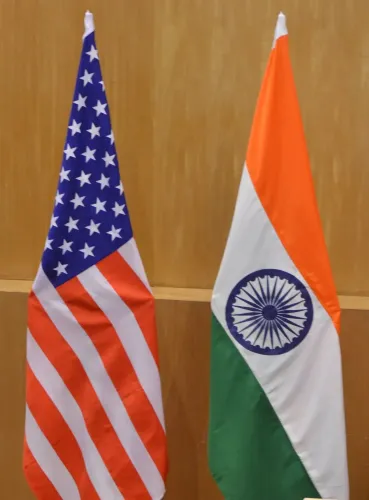
FICCI described the India-US economic partnership as 'strong and resilient,' with increasingly complementary supply chains. The chamber urged the USTR to reconsider the proposed tariffs in light of India's legal safeguards, existing industry compliance mechanisms, and the potential disruption to legitimate bilateral trade. This comes amid broader US scrutiny of import supply chains under Section 301, a trade law that allows the administration to investigate and respond to unfair trade practices — a tool that has been deployed with growing frequency since 2018.
Point of View
But it sidesteps a harder question: if India's compliance architecture is as robust as claimed, why does forced labour continue to surface in audits of Indian supply chains flagged by US Customs? The chamber's argument — that economy-wide tariffs punish the compliant — is economically sound, but it will only land if India can produce credible, independently verified data on supply chain outcomes, not just a list of legal frameworks. Washington has heard the 'we have laws' argument before. What moves the needle is enforcement evidence.
NationPress
8 Oct 2026
Frequently Asked Questions
Why is the US proposing a tariff on Indian imports over forced labour?
The US is conducting a Section 301 investigation into forced labour in global supply chains and has proposed a 12.5% across-the-board tariff on Indian imports as part of that review. The measure is intended to pressure trading partners to strengthen labour protections, though critics argue it is too blunt an instrument.
What is FICCI's alternative to the blanket tariff?
FICCI has called for a targeted, evidence-based, and risk-based approach that assesses individual sectors and supply chains according to their actual forced labour risk profile, rather than applying a uniform duty across all products and industries.
Does India have laws protecting labour rights?
Yes. According to FICCI, India has a comprehensive legal and institutional framework covering labour rights, backed by labour laws, enforcement mechanisms, factory inspections, and judicial remedies. The chamber argued that the absence of a single dedicated statute should not be read as weaker protection.
How would the proposed US tariff affect American businesses?
FICCI warned that a 12.5% additional tariff would increase costs for US manufacturers, importers, retailers, and ultimately American consumers. Many US companies rely on long-standing sourcing relationships with Indian suppliers for quality and compliance, and higher duties would make those trusted supply chains more expensive without improving forced labour detection.
What compliance systems do Indian exporters already follow?
According to FICCI, Indian exporters supplying the US already operate under supplier audits, ethical sourcing standards, worker grievance mechanisms, corrective action processes, traceability systems, and continuous monitoring — requirements driven by American companies and multinational brands, not just domestic regulation.