Nepal floods: FRLD approves US$20 million for August disaster recovery
Synopsis
Within two months of Nepal's deadliest flood disaster in recent memory — over 1,400 dead, 5,000 missing, US$2.69 billion in losses — the Loss and Damage Fund has approved US$20 million in emergency assistance. It is one of the earliest rapid-response activations of the FRLD, and a test case for how the UN's flagship climate loss-and-damage mechanism handles real-world disasters.
Key Takeaways
The Fund for Responding to Loss and Damage (FRLD) approved US$20 million (approx.
NPR 3 billion ) for Nepal on 22 October 2026 .
The August 26, 2026 floods killed more than 1,400 people ; over 5,000 remain unaccounted for, per the National Disaster Risk Reduction and Management Authority .
More than 60,000 people from around 15,000 households in the Bhotekoshi–Trishuli region were directly affected.
Economic losses are estimated at US$2.69 billion ; full reconstruction needs are pegged at US$4.71 billion .
Nepal's government formally requested FRLD support on 31 August 2026 , jointly signed by Minister Gita Chaudhary and Finance Minister Swarnim Wagle .
Disbursement schedule and implementation arrangements have not yet been announced .
The Fund for Responding to Loss and Damage (FRLD) has approved US$20 million (approximately NPR 3 billion) in assistance for Nepal, following a formal government request for urgent support to communities devastated by the August 26, 2026 floods. The decision was taken at an extraordinary board meeting of the FRLD and announced by Nepal's Ministry of Agriculture, Forests and Environment on 22 October 2026.
Scale of the Disaster
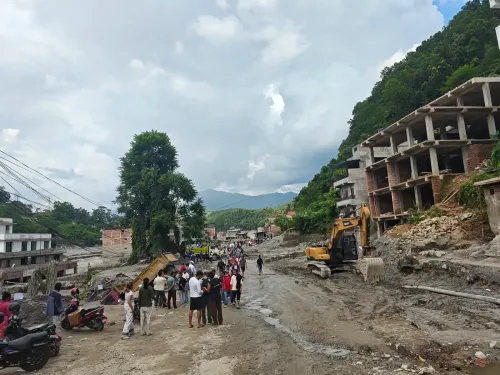
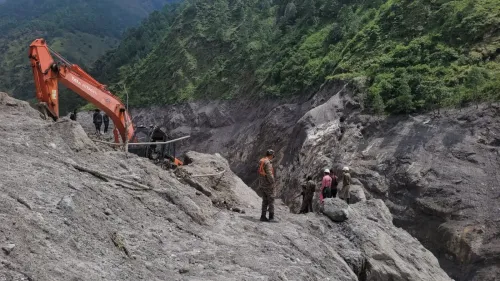
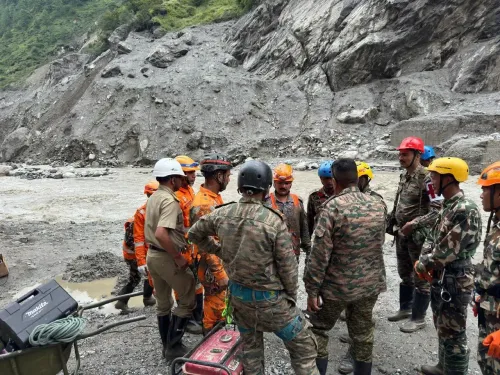
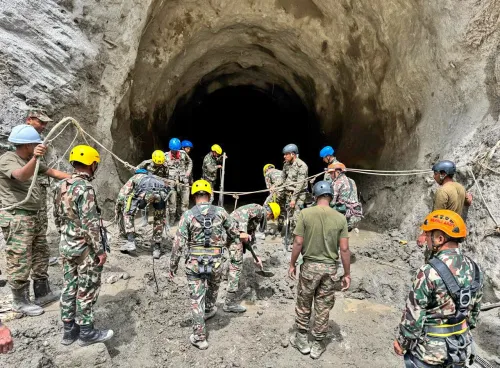
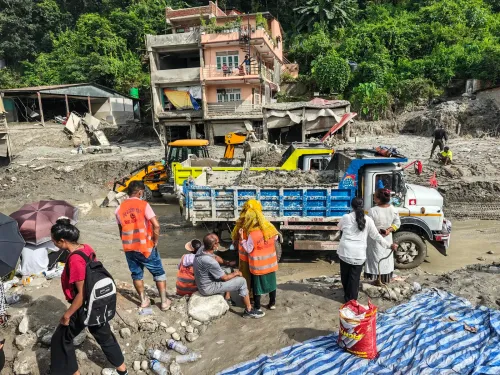
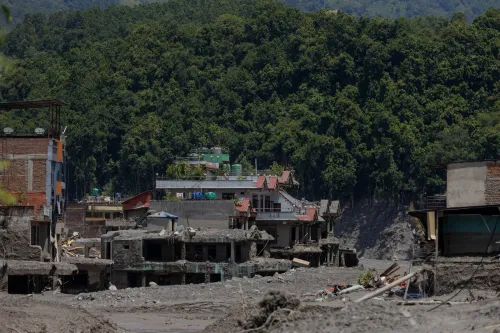
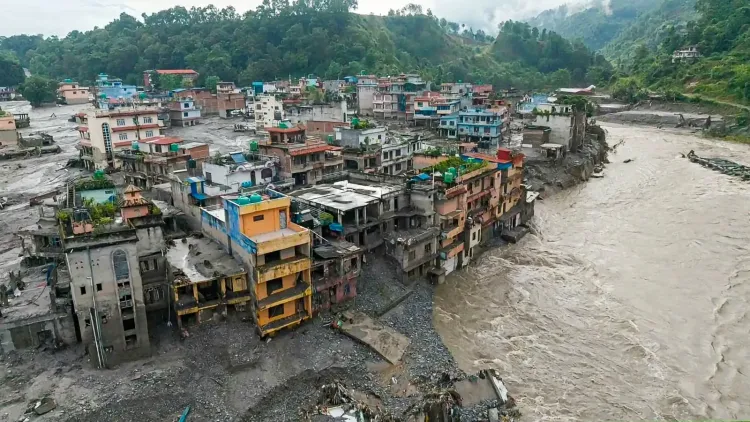
The floods, which struck the Bhotekoshi–Trishuli region on 26 August 2026, proved catastrophic in their reach. According to the National Disaster Risk Reduction and Management Authority, the disaster killed more than 1,400 people, while over 5,000 remain unaccounted for. Preliminary estimates indicate that more than 60,000 people from around 15,000 households were directly affected by the floods and landslides.
The economic toll has been severe: losses and damage are estimated at US$2.69 billion, while recovery and reconstruction needs are pegged at US$4.71 billion — underscoring the vast gap between what the FRLD approval covers and the scale of rebuilding required.
How Nepal Secured the Funding
Agriculture, Forests and Environment Minister Gita Chaudhary and Finance Minister Swarnim Wagle jointly wrote to the FRLD on 31 August 2026, seeking expedited support barely five days after the disaster struck. Following that request, board members and alternate members representing both developed and developing countries held several rounds of discussions and consultations before arriving at the decision to approve the assistance.
Notably, this is one of the earliest activations of the FRLD for a specific disaster since the fund was operationalised under the United Nations climate change framework. The fund was specifically established to help vulnerable developing nations address economic and non-economic consequences of climate change, including extreme weather events and slow-onset processes.
What the Funds Are Meant to Address
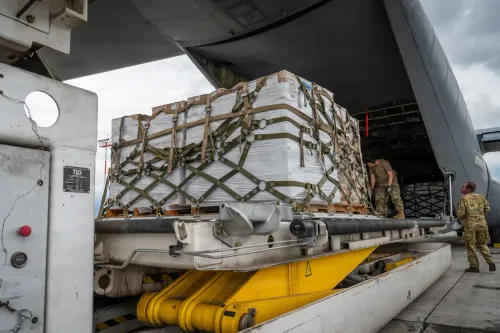
The approved assistance is directed at relief, rehabilitation, and reconstruction — helping displaced and affected households restore livelihoods and financing the rebuilding of damaged infrastructure in the Bhotekoshi–Trishuli corridor. The ministry statement indicated the funds are intended to support recovery from the combined impact of floods and landslides triggered by the August event.
This comes amid longstanding concerns from climate-vulnerable nations that existing international financing mechanisms are slow and insufficient for disaster response. Nepal's ability to secure a dedicated FRLD commitment within two months of the disaster may serve as a reference case for other vulnerable countries seeking similar expedited access.
Key Gaps and What Remains Unclear
Despite the approval, critical operational details — including the disbursement schedule, implementation arrangements, and allocation of the funds across affected districts — were not included in the announcement, according to the ministry. With reconstruction needs estimated at nearly US$4.71 billion, the approved US$20 million represents a fraction of what is ultimately required, and Nepal is expected to continue mobilising support from bilateral and multilateral channels.
What Comes Next
The government of Nepal will need to coordinate with the FRLD on implementation modalities before disbursement can begin. International observers and humanitarian organisations have flagged the approaching winter season as a critical window — delayed disbursements risk leaving affected communities in the Bhotekoshi–Trishuli region without adequate shelter and livelihood support before conditions worsen. Further fundraising and diplomatic engagement are widely expected in the coming weeks.
Point of View
Or whether it will remain a well-intentioned but underpowered instrument. Nepal's case will be watched closely by other climate-vulnerable nations that have waited years for this fund to deliver. The absence of any announced disbursement timeline also raises a practical concern: Himalayan winter is weeks away, and the families displaced in the Bhotekoshi–Trishuli corridor cannot wait for bureaucratic modalities to be finalised.
NationPress
23 Oct 2026
Frequently Asked Questions
What is the FRLD and why did it approve funds for Nepal?
The Fund for Responding to Loss and Damage (FRLD) is a financing mechanism established under the United Nations climate change framework to help vulnerable developing countries address the consequences of climate change, including extreme weather disasters. It approved US$20 million for Nepal following a formal government request submitted on 31 August 2026, five days after catastrophic floods struck the Bhotekoshi–Trishuli region.
How many people were affected by the August 2026 Nepal floods?
According to the National Disaster Risk Reduction and Management Authority, the floods killed more than 1,400 people and left over 5,000 unaccounted for. Preliminary estimates indicate that more than 60,000 people from around 15,000 households were directly affected by the floods and landslides.
How does the US$20 million compare to Nepal's actual reconstruction needs?
The approved US$20 million is a fraction of Nepal's estimated needs. Economic losses and damage from the August 2026 disaster are pegged at US$2.69 billion, while full recovery and reconstruction needs are estimated at US$4.71 billion. Nepal is expected to continue seeking bilateral and multilateral support to bridge the gap.
When will Nepal receive the approved flood relief funds?
A disbursement timeline has not yet been announced. According to the ministry, details regarding the disbursement schedule, implementation arrangements, and allocation of the funds were not included in the FRLD's approval announcement, meaning further coordination is required before money reaches affected communities.
Which areas of Nepal were most affected by the August 26 floods?
The disaster primarily struck the Bhotekoshi–Trishuli region on 26 August 2026, causing substantial loss of life, property destruction, and displacement. The FRLD-approved funds are expected to contribute to recovery efforts in this corridor, which bore the brunt of the floods and associated landslides.