Houthis free 600 detainees in Sanaa; missile strike kills, wounds 17 fleeing Lahj
Synopsis
On the same day Yemen's Houthis freed 600 detainees in what they called the conflict's largest unilateral prisoner release, a Houthi missile struck civilian vehicles fleeing fighting in Lahj, killing or wounding at least 17 — a stark illustration of the war's contradictions and the impossibility of separating humanitarian gestures from active hostilities.
Key Takeaways
Yemen's Houthi group released 600 conflict-related detainees in Sanaa on 15 November 2026 , with ICRC support.
The release is described as the largest unilateral prisoner release since the conflict began in 2014 ; cumulative Houthi releases now exceed 3,200 detainees.
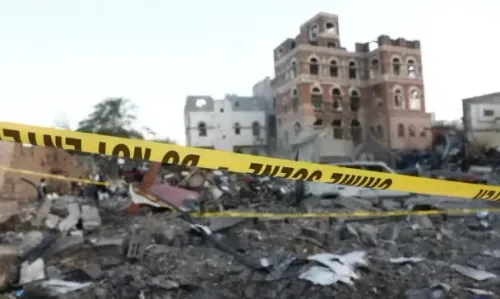
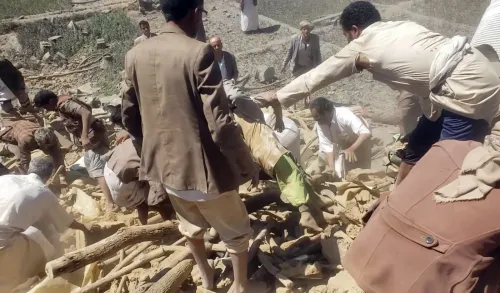
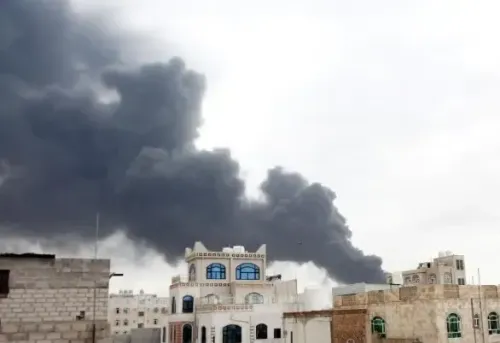
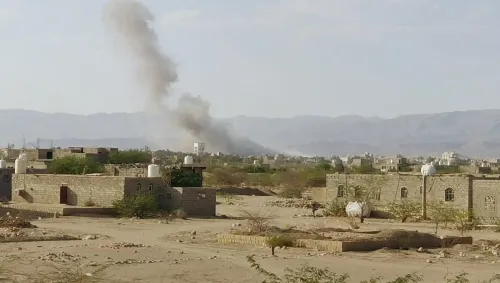
A Houthi missile struck the coastal area of Khor Umairah , 90 km west of Aden , killing or wounding at least 17 people fleeing fighting in Lahj province.
Houthi sources claimed the target was Saudi-backed government troops , not civilians; the government offered no immediate response.
UN-mediated consultations remain suspended; the internationally recognised government has not commented on either the release or the accusations.
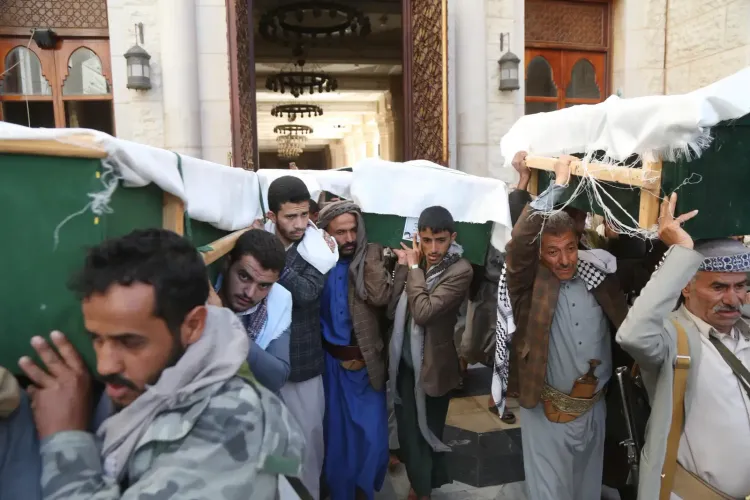
Yemen's Houthi group on Sunday, 15 November 2026, announced the unilateral release of 600 conflict-related detainees in the capital, Sanaa, with logistical support from the International Committee of the Red Cross (ICRC). The humanitarian gesture came on the same day a Houthi missile struck vehicles carrying civilian families fleeing intense fighting in the southern province of Lahj, leaving at least 17 people killed or wounded, according to a government military source.
The Missile Strike on Fleeing Families
The strike hit the coastal area of Khor Umairah, approximately 90 km west of Aden, according to a government military source who spoke on condition of anonymity. The source said the exact death toll remained unclear at the time of reporting.
A Houthi military source, also speaking anonymously, offered a different account, claiming the group had targeted gatherings of Saudi-backed government troops following their withdrawal from positions near the Bab al-Mandeb Strait. 'Our targets were military gatherings, not displaced families,' the source said.
The Prisoner Release: Largest Unilateral Move Since 2014
Abdul Qader al-Murtada, head of the Houthis' prisoner affairs committee, described Sunday's release as the largest unilateral prisoner release since the conflict began. Speaking at a press conference broadcast on Houthi-run al-Masirah TV, al-Murtada said the group had previously freed 2,612 detainees through similar initiatives, bringing the cumulative total to over 3,200.
'We do not approach this issue with a spirit of revenge, but as a humanitarian matter,' al-Murtada said, stressing efforts to ease the suffering of detainees and their families. He also said the Houthis remained prepared to implement the latest prisoner exchange agreement despite renewed hostilities, insisting that humanitarian negotiations should be kept separate from military operations. He blamed the opposing side and the suspension of UN-mediated consultations for the stalled agreement.
ICRC's Role and Confirmation
The ICRC confirmed the release in a statement on social media platform X, saying its delegates had conducted 'private interviews with each detainee' and supported their 'dignified return home.' The organisation stressed, however, that it played no role in determining who would be released or how many would be freed — underscoring its neutral, facilitative position in the process.
Wider Context: Escalating Fighting Across Yemen
The simultaneous events — a mass prisoner release and a deadly missile strike — reflect the contradictions defining Yemen's grinding conflict. Fighting has intensified across multiple fronts between Houthi forces and government troops backed by the Saudi-led coalition, alongside continued coalition airstrikes and Houthi missile and drone attacks targeting oil facilities and military installations inside Saudi Arabia.
Yemen has been mired in civil war since late 2014, when the Houthis seized Sanaa and much of northern Yemen, prompting a Saudi-led military intervention in 2015 in support of the internationally recognised government. There was no immediate comment from that government regarding either the prisoner release or the accusations levelled by al-Murtada.
With UN-mediated consultations stalled and battlefield violence showing no sign of abating, the prospect of a comprehensive prisoner exchange — let alone a broader ceasefire — remains uncertain.
Point of View
The internationally recognised government has no meaningful leverage to respond, and the Saudi-led coalition's airstrikes have not degraded Houthi missile capability after a decade of fighting. The prisoner release, however genuine its humanitarian dimension, also serves as a pressure tool — it sets a precedent that shifts accountability for any future stall in exchanges squarely onto the opposing side.
NationPress
15 Nov 2026
Frequently Asked Questions
How many detainees did the Houthis release on 15 November 2026?
The Houthis released 600 conflict-related detainees in Sanaa on 15 November 2026, with ICRC support. Houthi prisoner affairs chief Abdul Qader al-Murtada described it as the largest unilateral release since the conflict began, bringing the group's cumulative releases to over 3,200.
What was the ICRC's role in the Houthi prisoner release?
The ICRC facilitated the release by conducting private interviews with each detainee and supporting their dignified return home. The organisation stressed that it played no role in deciding who would be released or how many, maintaining its neutral position.
Who was killed or wounded in the Houthi missile strike in Lahj?
At least 17 people were killed or wounded when a Houthi missile struck vehicles carrying families fleeing fierce fighting in the southern province of Lahj. The strike hit the coastal area of Khor Umairah, about 90 km west of Aden; the exact death toll remained unclear.
What did the Houthis say about the missile strike on civilians?
A Houthi military source, speaking anonymously, claimed the group had targeted gatherings of Saudi-backed government troops withdrawing from positions near the Bab al-Mandeb Strait, not displaced civilian families. The government military source disputed this account.
Why has Yemen's conflict lasted so long?
Yemen's civil war began in late 2014 when the Houthis seized Sanaa and much of northern Yemen, triggering a Saudi-led military intervention in 2015 in support of the internationally recognised government. Over a decade later, no side has achieved decisive military advantage, UN-mediated consultations remain suspended, and prisoner exchanges and ceasefire talks continue to stall amid recurring hostilities.