ICE critics ask court to block subpoenas to X, Meta, Bluesky
Synopsis
A college student who mostly posted about football found X had been subpoenaed over his account. He is one of four anonymous users, backed by the ACLU, alleging a secret Washington grand jury probe dubbed ‘Investigation 18’ is unmasking online ICE critics, with at least 35 people already targeted via X, Meta and Bluesky.
Key Takeaways
Four anonymous users asked a Washington federal court to halt a grand jury probe allegedly targeting online critics of ICE .
Subpoenas were sent to Bluesky , Meta and X for records that could identify users.
Plaintiffs say at least 35 individuals have had identifying information sought in what is called “Investigation 18” .
Defendants include Jeanine Pirro , Todd Blanche and Markwayne Mullin , sued in their official capacities.
The case, brought on 16 November , was unsealed and public filings made on Friday ; the allegations have not been adjudicated.
Four anonymous social media users have asked a federal court in Washington to halt a grand jury investigation that, they allege, is aimed at identifying people who criticise US immigration enforcement online. The filings say prosecutors sent subpoenas to Bluesky, Meta and X seeking records that could unmask users of those platforms.
Public versions of the complaint and an injunction motion were filed on Friday after the court unsealed the case. The case was originally brought on 16 November. None of the allegations have yet been adjudicated.
Key Developments in the Case
The four complainants are represented by the American Civil Liberties Union (ACLU) and two of its affiliates. They contend that prosecutors are using a criminal investigative tool to identify and deter people whose speech is protected by the First Amendment of the US Constitution.
The plaintiffs want an order blocking the investigation while the court considers the case. They are also seeking to proceed on behalf of others whose identities have been, or may be, sought in the same inquiry.
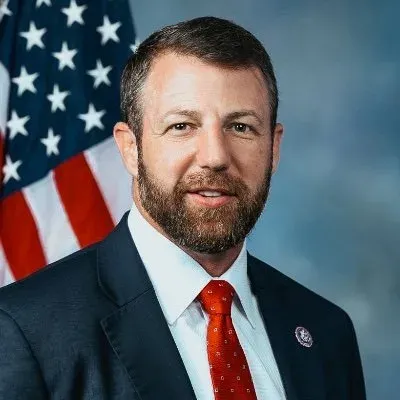
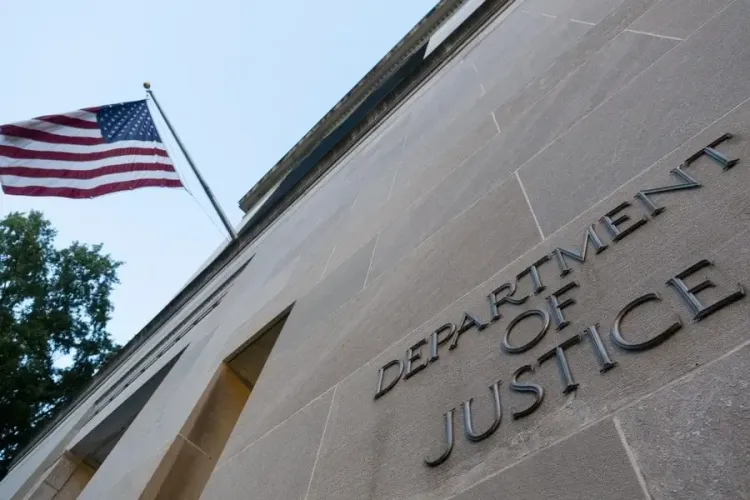
The named defendants, sued in their official capacities, are US Attorney for the District of Columbia Jeanine Pirro, Attorney General Todd Blanche and Homeland Security Secretary Markwayne Mullin.
Inside ‘Investigation 18’
The filing refers to the inquiry as “Investigation 18”, a designation it attributes to the US Attorney’s Office. According to the plaintiffs, records obtained so far point to at least 35 individuals whose identifying information was sought.
The plaintiffs say the full scope of the probe is unknown. Grand jury proceedings are secret, and users are not necessarily notified when investigators request their records from a platform.
Who the Plaintiffs Are
One plaintiff is a college student who mainly posted about football on X but occasionally criticised Immigration and Customs Enforcement (ICE) and President Donald Trump. The student learned in October that X had received a subpoena for the account. Lawyers say the account showed no posts or reposts on the date specified in the demand.
In another instance, a subpoena sought subscriber information from Meta linked to an Instagram account. The motion states that Meta temporarily delayed disclosure after lawyers said they would challenge the demand.
The remaining two plaintiffs use Bluesky. Their lawyers acknowledge that some of the posts used harsh language but argue that, read in context, they were not genuine threats. The court has not ruled on that question.
What the ACLU Said
“Using grand jury subpoenas to unmask and intimidate critics of ICE is an alarming abuse of power,” Laura Follansbee, a staff attorney with the ACLU of the District of Columbia, said in a statement.
Notably, the case pulls three of the world’s most widely used social platforms into a dispute over how far federal investigators can go in obtaining user identities. It also highlights the tension between grand jury secrecy and the ability of users to contest demands for their data before it is handed over.
What Happens Next
The court will now weigh the request to pause the investigation while the broader challenge proceeds. Its decision on the injunction motion is likely to shape how platforms respond to similar subpoenas and whether other affected users come forward.
Point of View
Because grand jury secrecy means users may never learn their data was handed over. If a football-posting student can be swept in over a date when his account showed no activity, the line between investigating threats and chilling dissent deserves hard judicial scrutiny. Platforms are now de facto gatekeepers of anonymity, and Meta’s temporary delay shows how much depends on whether a user has lawyers ready to object. For democracies everywhere, including India, the question of who can unmask online critics, and under what oversight, is no longer abstract.
NationPress
28 Nov 2026
Frequently Asked Questions
What is the ACLU lawsuit against the ICE-related grand jury subpoenas about?
Four anonymous social media users, represented by the ACLU, have asked a Washington federal court to halt a grand jury investigation they say targets online critics of US immigration enforcement. They argue it misuses a criminal tool against speech protected by the First Amendment.
Which social media platforms received subpoenas?
According to the filings, subpoenas were sent to Bluesky, Meta and X for records that could identify users. One demand to Meta concerned an Instagram account.
What is ‘Investigation 18’?
It is the name the filing uses for the inquiry, a designation it attributes to the US Attorney’s Office. The plaintiffs say records so far point to at least 35 individuals whose identifying information was sought.
Who are the defendants in the case?
The defendants, sued in their official capacities, are US Attorney for the District of Columbia Jeanine Pirro, Attorney General Todd Blanche and Homeland Security Secretary Markwayne Mullin.
What happens next in the case?
The court will consider the plaintiffs’ request for an order blocking the investigation while the case proceeds. The allegations have not yet been adjudicated.