IMF Highlights Market Resilience Amid Middle East Tensions and Debt Risks
Synopsis
As global financial markets show unexpected resilience amidst ongoing Middle East tensions, the IMF raises alarms about rising debt levels and limited policy options. This situation could spell trouble if conditions worsen, urging policymakers to remain vigilant.
Key Takeaways
Global markets are currently demonstrating resilience despite geopolitical tensions.
High levels of debt pose risks to financial stability.
Central banks may adopt a cautious approach amidst uncertainty.
Rising oil prices are impacting global inflation expectations.
Regulatory frameworks for AI must be strengthened to mitigate risks.
Washington, April 15 (NationPress) The global financial markets have demonstrated remarkable resilience despite the fluctuations triggered by the ongoing conflict in the Middle East, according to the International Monetary Fund. The organization has issued a warning regarding the increasing debt levels and limited policy options that could heighten risks should conditions deteriorate further.
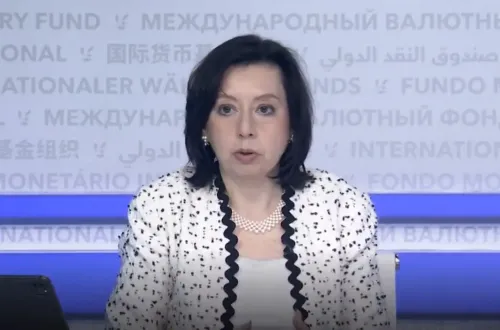
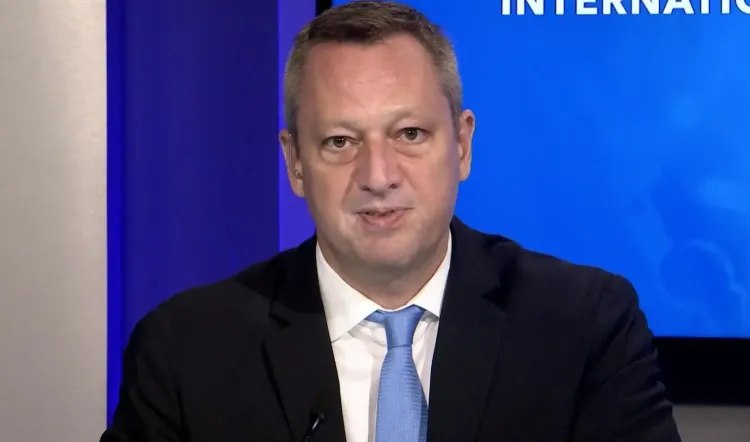
While presenting the latest Global Financial Stability Report, IMF Financial Counsellor Tobias Adrian noted that markets have managed to absorb geopolitical uncertainties without experiencing significant disruptions. He remarked, “The financial system has remained resilient thus far,” emphasizing that markets have operated “in an orderly manner” despite moments of escalation and de-escalation in the conflict.
Adrian acknowledged that the war has resulted in “episodes of volatility,” yet it has not led to the prolonged stress witnessed in previous liquidity crises. There have been no widespread margin calls or forced deleveraging, and banks continue to be “well capitalized and liquid.”
Nevertheless, he warned that this resilience is not guaranteed. High levels of public and private debt, risks associated with rollovers, and the increasing influence of non-bank financial institutions are significant vulnerabilities that could destabilize markets. “Resilience is not assured under all circumstances,” he cautioned.
A major concern highlighted by the IMF is the restricted policy space available to governments after years of crisis management. “Many countries have exhausted their policy options,” Adrian said, urging policymakers to vigilantly monitor risks and be prepared to inject liquidity when necessary.
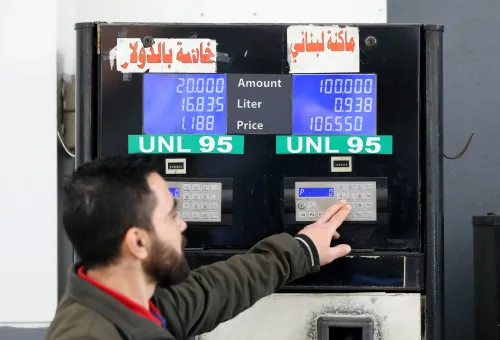
The ongoing conflict has also contributed to rising oil prices, impacting global inflation expectations. Adrian indicated that the initial effects have been an uptick in inflation expectations, although markets currently view this as a temporary situation. “Inflation expectations remain well anchored in the longer term,” he stated, implying that the shock is not yet perceived as enduring.
This perspective has consequences for central banks. The IMF indicated that policymakers may opt for a “wait and see” strategy given the uncertainty surrounding the duration of the energy shock. “The option value of waiting is significant in many instances,” Adrian remarked, although some central banks might still tighten policies based on inflation trends.
Emerging markets encounter additional challenges, particularly from volatile capital movements and escalating energy costs. Non-bank financing flows are prevalent in many of these economies and are sensitive to changes in global risk appetite. Additionally, vulnerable populations are already feeling the strain of increasing energy and food prices, as noted by IMF officials.
Despite these hurdles, emerging markets have exhibited relative resilience thus far, bolstered by credible monetary policies. “Emerging markets… have shown considerable strength throughout this period,” an IMF official commented, adding that central banks must act decisively if inflation pressures escalate.
The report also underscores risks associated with artificial intelligence, especially concerning cybersecurity threats. The IMF warned that AI can be “utilized for both beneficial and harmful purposes,” calling for more robust regulatory frameworks and operational readiness to tackle potential threats to financial stability.
Regarding private credit markets, the IMF stated that risks appear to be manageable for the time being, even under stress scenarios. Default rates may rise but remain within manageable limits, while mechanisms like redemption gates in funds help to mitigate systemic risks.
In conclusion, the IMF emphasized that while financial markets have successfully navigated recent shocks, the interplay of geopolitical tensions, high debt levels, and constrained policy options renders the global system vulnerable to future stresses.
Point of View
The report outlines a complex landscape where global markets are currently stable but face significant risks from geopolitical tensions and rising debts. It emphasizes the need for proactive measures from policymakers to mitigate potential fallout.
NationPress
23 Sept 2026
Frequently Asked Questions
What did the IMF report highlight about financial markets?
The IMF report emphasized the resilience of global financial markets despite geopolitical tensions, while warning of rising debt levels and limited policy options that could increase risks.
How have banks responded to the Middle East conflict?
Banks have remained well capitalized and liquid, with no significant forced deleveraging or widespread margin calls reported during the conflict.
What are the implications of rising oil prices according to the IMF?
Rising oil prices have led to increased inflation expectations globally, though the IMF suggests this impact is currently viewed as temporary by the markets.
What advice did the IMF give to policymakers?
The IMF urged policymakers to monitor risks closely and be ready to inject liquidity into the market if necessary, especially given the limited policy space available.
What risks associated with AI did the IMF identify?
The IMF identified cybersecurity threats as a significant risk associated with AI, emphasizing the need for stronger regulatory frameworks.