India-Arab trade set to hit $500 billion in 20 years as Gulf ties deepen
Synopsis
India-Arab trade already tops $150 billion — but that could be just the starting point. With a formal India-GCC Free Trade Agreement in active negotiations and a major business conclave set for December, the pathway to $500 billion is no longer a distant aspiration. Gulf investors are eyeing India's expanding market, and the diplomatic groundwork laid at the UN General Assembly may be the catalyst that turns projections into deals.
Key Takeaways
India-Arab bilateral trade already exceeds $150 billion and could triple to $500 billion over the next 10–20 years , according to IACCIA .
The India-Arab Business Conclave 2026 is scheduled for 18–19 December in New Delhi , with all 22 Arab nations invited.
GCC-India bilateral trade exceeded $178 billion in 2025–26 ; the Gulf hosts about 10 million Indian diaspora members.
External Affairs Minister S.
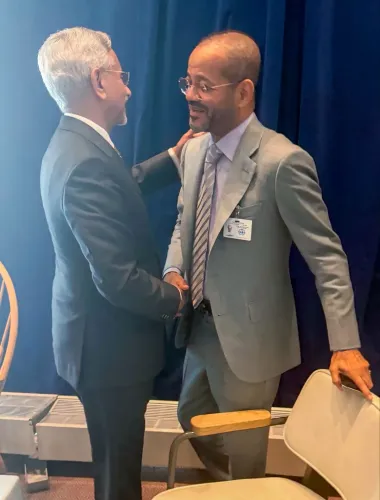
Jaishankar held India-GCC FTA talks on the sidelines of the UN General Assembly in New York .
India already holds CEPAs with Oman and the UAE , providing a foundation for a broader GCC agreement.
Key sectors set to gain include pharmaceuticals , agriculture , services , textiles , and gems and jewellery .
Trade between India and Arab countries — already exceeding $150 billion — could more than triple to $500 billion over the next 10 to 20 years, driven by rising Gulf investment in Indian markets, according to Waiel Awwad, Secretary General of the India and Arab Countries Chamber of Commerce, Industry, and Agriculture (IACCIA). Awwad made the projection ahead of the upcoming India-Arab Business Conclave 2026, scheduled for 18–19 December in New Delhi.
Conclave to Bring All 22 Arab Nations Together
Representatives from all 22 Arab countries have been invited to the New Delhi conclave, which aims to facilitate investment partnerships and strengthen commercial ties. According to Awwad, government incentives and a structured platform for direct business engagement could further encourage Gulf investors to deepen their presence in India. He noted that India's expanding opportunities across multiple sectors make it an increasingly attractive destination for Arab capital.
India-GCC Free Trade Agreement Gains Momentum
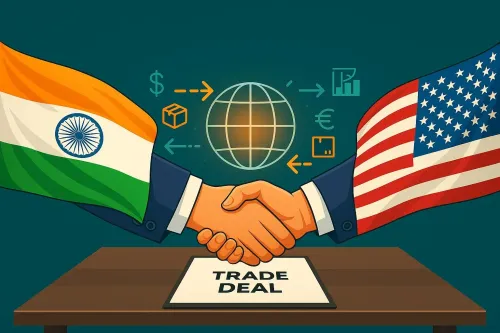
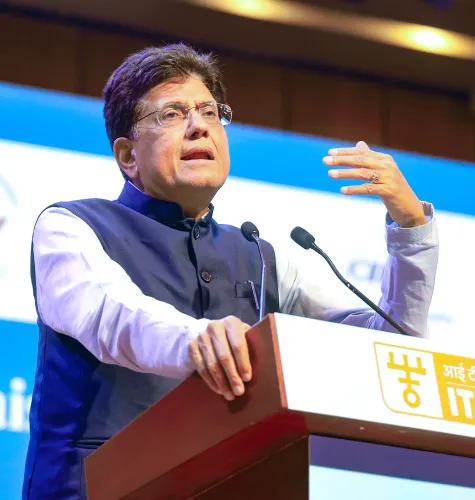
India and the Gulf Cooperation Council (GCC) are actively working to unlock bilateral trade potential through a formal India-GCC Free Trade Agreement (FTA), discussions on which took place on the sidelines of the UN General Assembly in New York recently. The trade talks were held between External Affairs Minister S. Jaishankar and Gulf officials, including Saudi Minister of State for Foreign Affairs Adel Al-Jubeir and GCC Secretary General Jasem Mohamed Albudaiwi.
The GCC Secretariat described the FTA discussions as 'a pivotal milestone toward broadening economic and investment horizons.' Albudaiwi also emphasised 'the imperative of deepening collaboration' in areas including energy, technology, innovation, and digital transformation.
Current Trade Figures and Existing Agreements
GCC-India bilateral trade stood at more than $178 billion in the 2025–26 fiscal year, according to reports. The Gulf region is also home to approximately 10 million members of the Indian diaspora, underlining the depth of people-to-people ties that complement formal commerce. India already has a Comprehensive Economic Partnership Agreement (CEPA) in place with Oman and the UAE, both GCC members, giving it a structural head-start for a broader FTA.
Sectors Poised to Benefit
A full India-GCC FTA is expected to benefit Indian exporters across several traditional sectors — machinery, textiles, and gems and jewellery — while also opening significantly greater advantages for agriculture and processed foods, pharmaceuticals, medical devices, and services. Better market access, deeper supply-chain integration, and expanded opportunities for Indian skilled professionals are among the anticipated outcomes.
What Comes Next
The India-Arab Business Conclave 2026 in December is expected to serve as a key platform for converting diplomatic momentum into concrete investment commitments. With FTA negotiations formally on the table and both sides signalling intent, analysts expect the pace of Gulf capital flows into Indian infrastructure, technology, and energy sectors to accelerate in the near term.
Point of View
But the structural pieces are beginning to align — existing CEPAs with Oman and the UAE, active FTA negotiations with the GCC, and a high-level ministerial push at the UN General Assembly. What the headline figure obscures is the asymmetry: India needs Gulf capital and energy security far more urgently than Gulf states need Indian exports. The real leverage India holds lies in its services sector and diaspora remittances, not manufacturing. A GCC FTA that fails to meaningfully liberalise services access would be a diplomatic trophy with limited economic payload. The December conclave is the next test of whether intent converts to binding commitments.
NationPress
16 Oct 2026
Frequently Asked Questions
What is the India-Arab $500 billion trade projection based on?
The projection comes from Waiel Awwad , Secretary General of IACCIA , who stated that current India-Arab trade exceeding $150 billion could more than triple over the next 10 to 20 years as Gulf investors increase their presence in Indian markets. The estimate is driven by anticipated growth in investment flows and the potential conclusion of a broader India-GCC Free Trade Agreement.
What is the India-Arab Business Conclave 2026?
It is a trade and investment summit scheduled for 18–19 December 2026 in New Delhi , organised to facilitate investment partnerships between India and Arab nations. Representatives from all 22 Arab countries have been invited, with a focus on enabling direct engagement between businesses from both sides.
Where do India-GCC Free Trade Agreement talks currently stand?
FTA negotiations between India and the Gulf Cooperation Council (GCC) were discussed on the sidelines of the UN General Assembly in New York , with External Affairs Minister S. Jaishankar meeting Saudi Minister Adel Al-Jubeir and GCC Secretary General Jasem Mohamed Albudaiwi . The GCC Secretariat described the talks as 'a pivotal milestone,' though a timeline for concluding negotiations has not been announced.
Which Indian sectors stand to gain most from an India-GCC FTA?
While machinery , textiles , and gems and jewellery are traditional beneficiaries, sectors such as agriculture and processed foods , pharmaceuticals , medical devices , and services — including skilled professionals — are expected to see the greatest gains from improved Gulf market access.
Does India already have trade agreements with any GCC members?
Yes. India has Comprehensive Economic Partnership Agreements (CEPAs) with Oman and the UAE , both members of the GCC. These existing agreements provide a foundation for a broader India-GCC FTA and have already deepened bilateral trade and investment links with those two nations.