India at UN: Nuclear science for Global South, RCA chair reaffirmed
Synopsis
At the UN General Assembly, India's parliamentary delegation declared itself 'Vishwa Bandhu' and laid out a sweeping nuclear diplomacy agenda: chairing a 22-nation IAEA body, running first-of-its-kind cancer-care training for BIMSTEC nations, and claiming the world's first heat-based hydrogen production from its Kalpakkam fast breeder reactor — a quiet but substantive assertion of technology leadership among the Global South.
Key Takeaways
Sangeeta Kumari Singh Deo led India's parliamentary delegation to the UN General Assembly on 24 October 2026 .
India assumed chairmanship of the 22-member RCA under the IAEA in May 2026 , committing to South-South nuclear cooperation.
The Kalpakkam fast breeder reactor ( 500 MW ) became only the second in the world to go 'critical' in April 2026 .
In June 2026 , the same reactor demonstrated heat-based hydrogen production — a global first.
NPCIL generated 55,190 million units of electricity last year at an 80% plant load factor .
The Mumbai Tata Memorial Centre ran specialised cancer-care training for health workers from Bangladesh, Bhutan, Nepal , and Myanmar under the BIMSTEC framework.
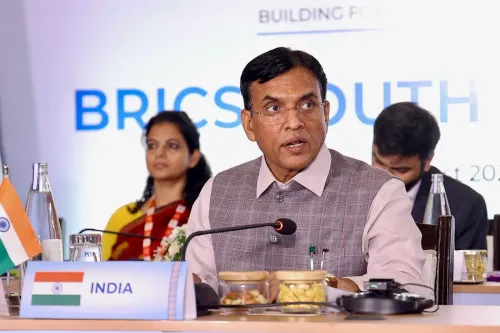
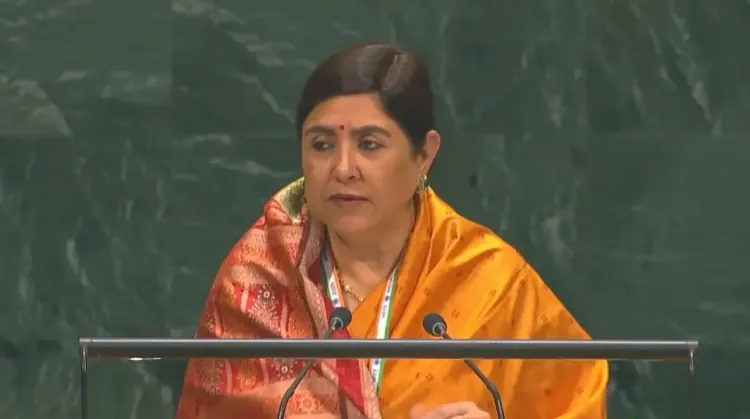
Sangeeta Kumari Singh Deo, leading India's parliamentary delegation to the United Nations General Assembly, declared on Friday, 24 October that India — as the 'Vishwa Bandhu' or 'Friend to the World' — is deepening cooperation with Global South nations to ensure the benefits of nuclear science reach every country that seeks them. The statement came as India consolidates its multilateral nuclear diplomacy ahead of key international forums.
India's Chairmanship of the RCA
Addressing the UN General Assembly, Singh Deo, a Bharatiya Janata Party (BJP) member of the Lok Sabha, highlighted India's chairmanship of the Regional Cooperative Agreement for Research, Development and Training (RCA) related to Nuclear Science and Technology — a 22-member body operating under the International Atomic Energy Agency (IAEA). India assumed the chair in May 2026, pledging to 'further strengthen collaborative pathways among member states through science, innovation, and shared progress.'
'India's chairmanship of RCA is a reaffirmation of our strong commitment to South-South cooperation and to ensuring that the benefits of nuclear science reach every nation that seeks them,' she said.
Cancer Care Training Under BIMSTEC
Singh Deo cited a concrete example of India's neighbourhood-first policy: the Mumbai Tata Memorial Centre (TMC)'s specialised training programme in cancer care for healthcare professionals, conducted under the Bengal Initiative for Multi-Sectoral Technical and Economic Cooperation (BIMSTEC) Cooperation Framework. Specialists from Bangladesh, Bhutan, Nepal, and Myanmar participated in the programme. The TMC operates under India's Department of Atomic Energy.
Breakthroughs in Fast Breeder Reactor Technology
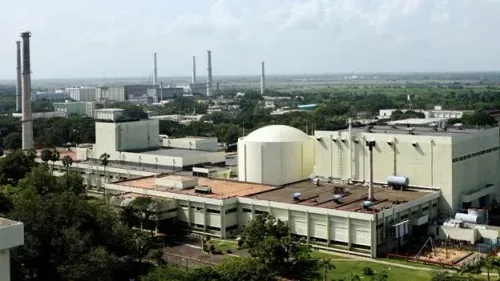
Singh Deo pointed to two landmark achievements in India's nuclear programme. In April 2026, India became only the second country in the world to have a prototype fast breeder reactor go 'critical' — meaning it achieved stable, sustainable chain reaction. The indigenously designed and developed 500-megawatt fast breeder reactor at Kalpakkam marked the milestone. Then, in June 2026, the reactor demonstrated heat-based hydrogen production — a world first.
Notably, both achievements underscore India's push to develop closed-fuel-cycle nuclear technology, which minimises waste and maximises energy output — a critical advantage as the country pursues net-zero commitments.
Nuclear Power Generation Record
Singh Deo also highlighted that the Nuclear Power Corporation of India Limited (NPCIL) recorded total electricity generation of 55,190 million units in the previous year, achieving an overall plant load factor of 80 per cent alongside an 'impeccable safety record.' The figure reflects a steady scale-up of India's nuclear power output as the country diversifies its energy mix away from fossil fuels.
Broader Significance
This comes amid growing competition among major powers to shape the nuclear technology frameworks of the developing world. India's articulation of 'Vishwa Bandhu' — positioning itself as a benign technology partner rather than a geopolitical actor — is a deliberate counter-narrative to China's Belt and Road-linked nuclear infrastructure exports. With the RCA chair, India now holds a platform to steer Asia-Pacific nuclear cooperation norms for the coming term. How it uses that leverage in translating soft power into durable partnerships will define the next chapter of its multilateral nuclear strategy.
Point of View
At a moment when China is aggressively exporting nuclear infrastructure through Belt and Road channels. The Kalpakkam milestones are genuine and significant, but the real diplomatic test is whether RCA chairmanship translates into binding technology-sharing agreements rather than goodwill speeches. India's nuclear cooperation record with the neighbourhood has been selective; the BIMSTEC cancer-care programme is laudable but narrow. A credible 'friend to the world' posture requires moving from flagship demonstrations to scalable, institutionalised transfer mechanisms — something India has not yet done at scale.
NationPress
24 Oct 2026
Frequently Asked Questions
What is India's role in the IAEA's Regional Cooperative Agreement (RCA)?
India assumed the chairmanship of the 22-member RCA — the IAEA's Regional Cooperative Agreement for Research, Development and Training related to Nuclear Science and Technology — in May 2026. As chair, India has pledged to strengthen collaborative pathways among member states through science, innovation, and shared progress, with a focus on South-South cooperation.
What is significant about the Kalpakkam fast breeder reactor going critical?
The indigenously designed 500-megawatt fast breeder reactor at Kalpakkam going 'critical' in April 2026 made India only the second country in the world to achieve stable, sustainable operation of such a reactor. The milestone signals India's advancement in closed-fuel-cycle nuclear technology, which minimises radioactive waste and maximises energy efficiency.
What is the world-first achievement at Kalpakkam in June 2026?
In June 2026, the Kalpakkam fast breeder reactor demonstrated heat-based hydrogen production for the first time in the world. This opens a potential pathway for clean hydrogen generation using nuclear energy, a significant step in the global clean-energy transition.
How is India supporting healthcare in BIMSTEC nations through nuclear science?
The Mumbai Tata Memorial Centre, which operates under India's Department of Atomic Energy, ran a specialised cancer-care training programme for healthcare professionals from Bangladesh, Bhutan, Nepal, and Myanmar under the BIMSTEC Cooperation Framework. India has described this as a practical expression of its neighbourhood-first policy.
How much electricity did India's nuclear plants generate last year?
The Nuclear Power Corporation of India Limited recorded total electricity generation of 55,190 million units in the previous year, achieving an overall plant load factor of 80 per cent, according to the statement made at the UN General Assembly.