India at UNGA81: National ownership key to peacebuilding, says MEA
Synopsis
India took a firm multilateral stance at UNGA81 — pushing national ownership as the backbone of sustainable peacebuilding, reaffirming Two-State solution support, and invoking 'Sarvodaya' at the G7 Development Ministers table. The breadth of Secretary Sibi George's New York engagements signals India's deliberate projection as a Global South anchor across diplomacy, development, and cultural justice.
Key Takeaways
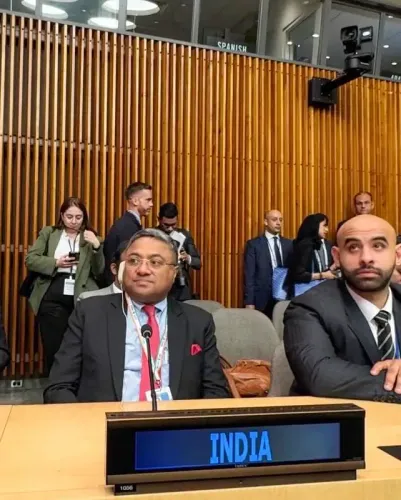
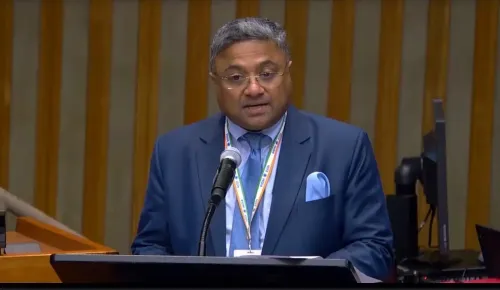
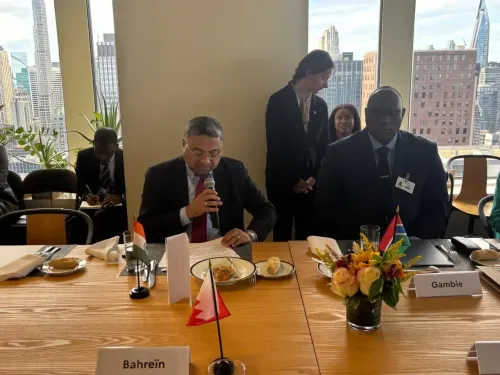
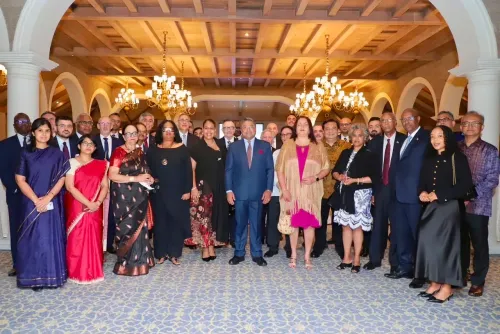
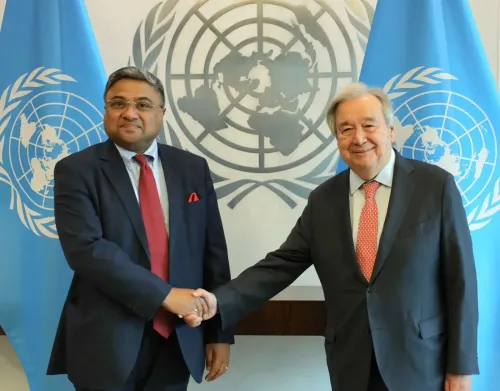
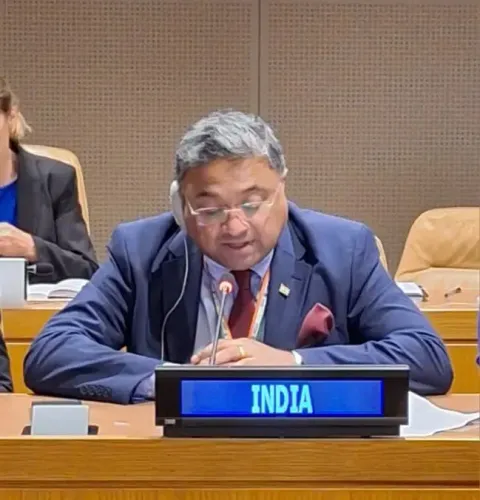
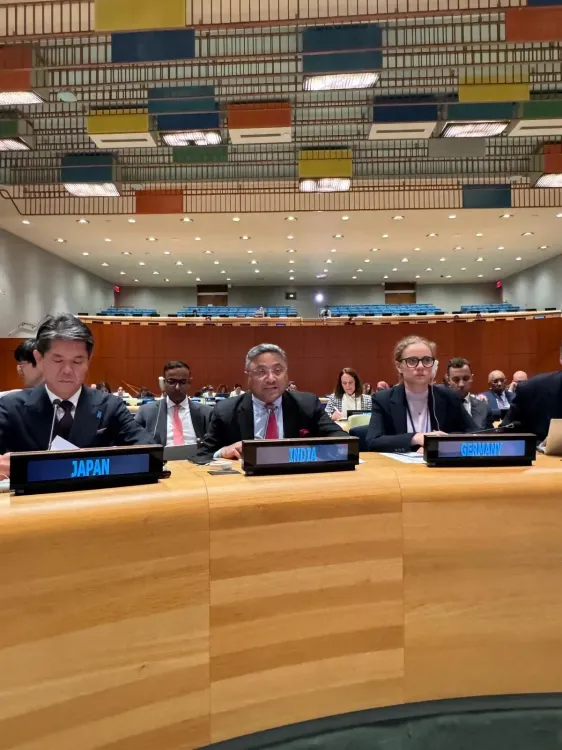
Sibi George , Secretary (West), MEA , represented India at multiple high-level meetings during the 81st Session of the UN General Assembly in New York on 24 September 2026 .
India reaffirmed that national ownership is central to peacebuilding, emphasising decentralisation, digital public infrastructure, and inclusion of women and youth.
India has extended tens of billions in grants, concessional credit, and capacity-building, prioritising LDCs and SIDS through the India-UN Development Partnership Fund .
India restated its 'clear and consistent support' for the Two-State solution at the Global Alliance Ministerial meeting on the sidelines of UNGA81.
At the G7 Development Ministers meeting , George cited 'Sarvodaya' as India's guiding development philosophy, stressing domestic capability-building over financing alone.
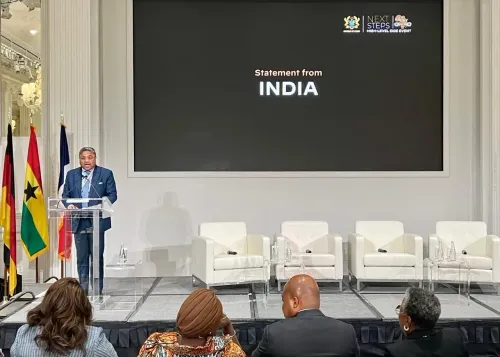
India called for stronger international cooperation on the return and restitution of cultural properties at the Reparatory Justice side event co-hosted by Ghana , Germany , and France .
India reaffirmed the centrality of national ownership in peacebuilding at the United Nations General Assembly's 81st Session on 24 September 2026, as Sibi George, Secretary (West) in the Ministry of External Affairs (MEA), represented the country at a series of high-level diplomatic engagements in New York. The MEA confirmed George's participation in multiple multilateral forums, signalling India's active diplomatic footprint on the sidelines of UNGA81.
Peacebuilding Commission: India's Core Message
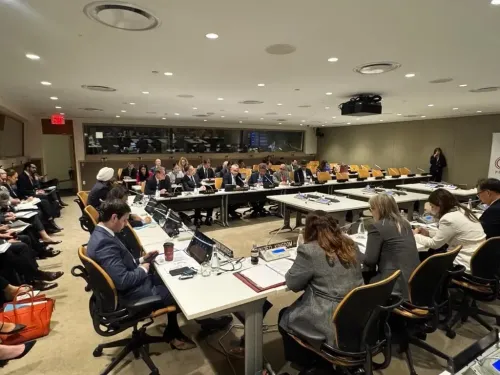
George participated in the Peacebuilding Commission Ministerial meeting on the theme 'National Ownership in Practice: Strengthening Inclusive State Institutions through International Peacebuilding Support'. According to the MEA, he stressed decentralisation of power, human-centric digital public infrastructure, and inclusive development with a focus on women and youth as pillars of effective nation-building.
India also highlighted its development contributions, noting it has extended tens of billions in grants, concessional credit, and capacity-building support — including through the India-UN Development Partnership Fund — with priority given to Least Developed Countries (LDCs) and Small Island Developing States (SIDS).
Two-State Solution and Middle East Diplomacy
George also attended the High-level Ministerial meeting of the Global Alliance for the Implementation of the Two-State Solution, held on the margins of UNGA81. The MEA stated that India reaffirmed its 'clear and consistent support' for a Two-State solution to the Israeli-Palestinian conflict, combining, according to the MEA, 'political commitment with practical support.'
G7 Development Ministers Meeting
At the second G7 Development Ministers meeting organised by France in its capacity as G7 Chair, George outlined India's development philosophy. He invoked the principle of 'Sarvodaya' — the welfare of all — to describe India's human-centric and inclusive development path, the MEA noted. He emphasised that development is not merely the provision of financing but about building domestic capabilities and strengthening long-term resilience.
Reparatory Justice and Cultural Heritage
George also participated in the High-Level Side Event on Reparatory Justice, co-hosted by Ghana, Germany, and France. According to the MEA, he called for stronger international cooperation to facilitate the return and restitution of cultural properties and heritage to their countries and communities of origin — a point that holds particular resonance for India, which has long advocated for the repatriation of artefacts held abroad.
India's Broader UNGA81 Diplomatic Presence
The flurry of engagements by Secretary (West) Sibi George underlines India's intent to engage substantively across the multilateral agenda — from peacebuilding and development financing to Middle East diplomacy and cultural restitution. This comes amid India's broader efforts to position itself as a leading voice of the Global South, building on its G20 Presidency platform from 2023. All positions articulated at UNGA81 are expected to feed into India's foreign policy posture heading into the next round of UN Security Council deliberations.
Point of View
Not mere attendance. Invoking 'Sarvodaya' at a G7 table is a pointed signal that India's development philosophy is not interchangeable with Western financing-led models — a distinction that matters as the Global South increasingly shapes multilateral norms. The push on cultural restitution, meanwhile, is consistent advocacy that quietly builds a legal and moral case for returning Indian artefacts held in foreign museums. What these engagements collectively reveal is a foreign policy that is becoming more fluent in multilateral grammar while insisting on its own vocabulary.
NationPress
25 Sept 2026
Frequently Asked Questions
What did India say at the UN Peacebuilding Commission meeting at UNGA81?
India, represented by MEA Secretary (West) Sibi George, reaffirmed that national ownership is central to peacebuilding. He highlighted decentralisation of power, human-centric digital public infrastructure, and inclusive development focused on women and youth as key pillars of nation-building.
What is India's position on the Two-State solution?
India reaffirmed its 'clear and consistent support' for the Two-State solution at the Global Alliance Ministerial meeting on the sidelines of UNGA81. The MEA stated India's approach combines political commitment with practical support.
What is the India-UN Development Partnership Fund?
It is a fund through which India channels development support — including grants, concessional credit, and capacity-building — to partner countries. India has noted that its priority beneficiaries are Least Developed Countries (LDCs) and Small Island Developing States (SIDS), with total support extending to tens of billions.
What did India say at the G7 Development Ministers meeting?
Sibi George outlined India's human-centric and inclusive development path anchored in the principle of 'Sarvodaya' at the second G7 Development Ministers meeting organised by France. He argued that development is not merely about financing but about building domestic capabilities and strengthening resilience.
Why did India raise cultural heritage restitution at UNGA81?
India participated in the High-Level Side Event on Reparatory Justice, calling for stronger international cooperation to return cultural properties and heritage to their countries of origin. The issue is significant for India, which has long sought the repatriation of artefacts held in foreign collections.