India calls for stronger global cooperation on return of cultural properties at UNGA
Synopsis
At the UN General Assembly in New York, India's MEA Secretary Sibi George called for binding international action on returning cultural properties to their countries of origin — and separately backed the Covenant on the Right to Development. Both interventions signal India's increasingly assertive multilateral diplomacy on behalf of the Global South.
Key Takeaways
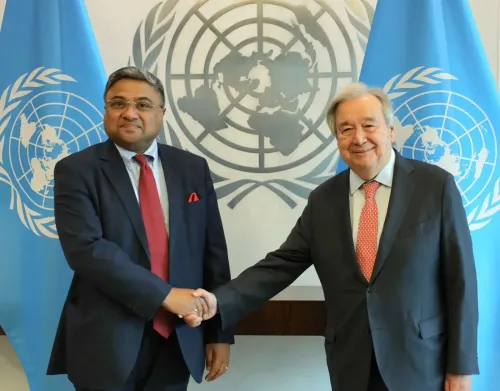
Sibi George , Secretary (West) at the MEA , represented India at a high-level UNGA side event on 24 September 2026 in New York .
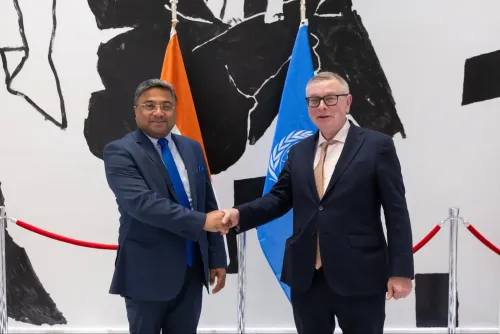
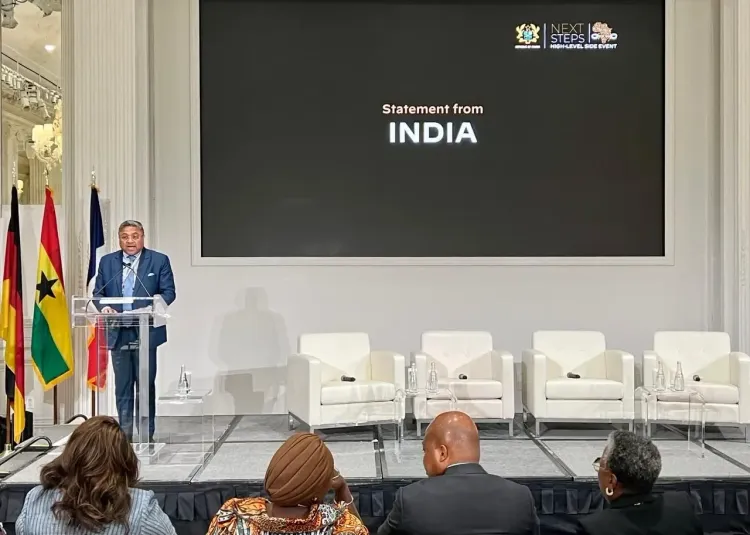
He called for stronger international cooperation on the return and restitution of cultural properties at the 'From Commitments to Action on Reparatory Justice' event co-hosted by Ghana , Germany , and France .
India expressed support for the early adoption of the Covenant on the Right to Development at the UNGA's 40th Anniversary commemoration of the Declaration.
The UN noted that while progress since the Declaration's adoption has been significant, it remains uneven globally.
India's interventions reflect a coordinated diplomatic push to strengthen multilateral frameworks favouring the Global South .
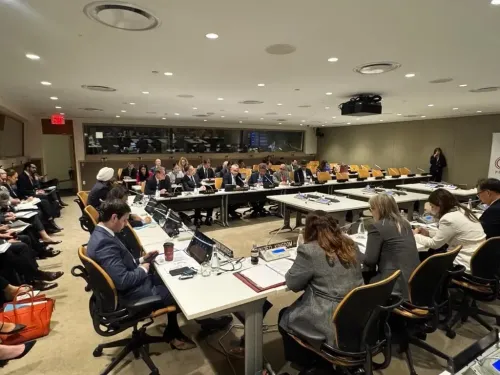
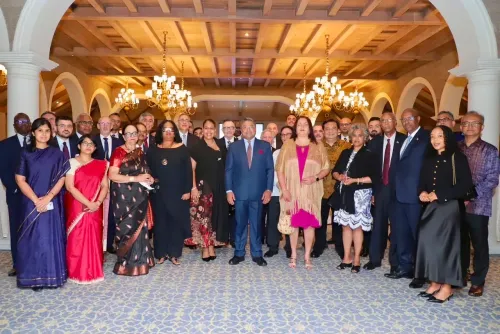
Sibi George, Secretary (West) at India's Ministry of External Affairs (MEA), on 24 September 2026 called for stronger international cooperation to facilitate the return and restitution of cultural properties and heritage to their countries and communities of origin, during a high-level side event at the ongoing United Nations General Assembly (UNGA) in New York. The MEA confirmed George's participation in a post on X.
The Reparatory Justice Event
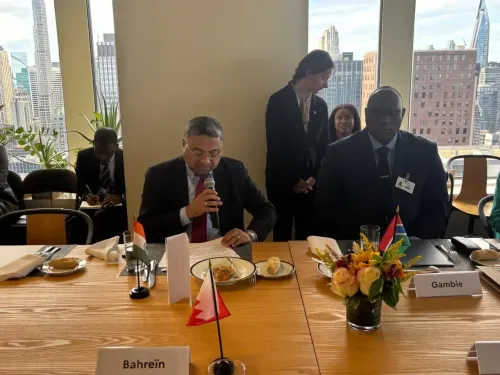
George participated in the High-Level Side Event titled 'From Commitments to Action on Reparatory Justice', co-hosted by Ghana, Germany, and France on the sidelines of the General Assembly. He used the platform to press for binding international mechanisms that go beyond voluntary commitments in repatriating artefacts and heritage objects taken from their nations of origin.
India's advocacy on cultural restitution fits into a broader pattern of assertive diplomacy on heritage recovery — an issue that has gained significant traction globally, with major Western museums facing mounting pressure over colonial-era acquisitions.
India's Stand on the Right to Development
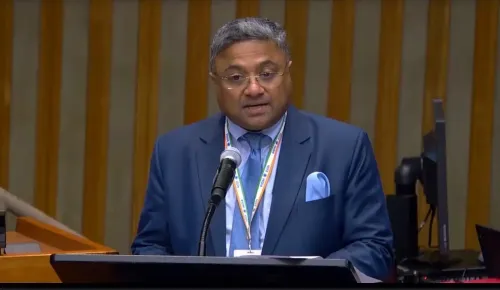
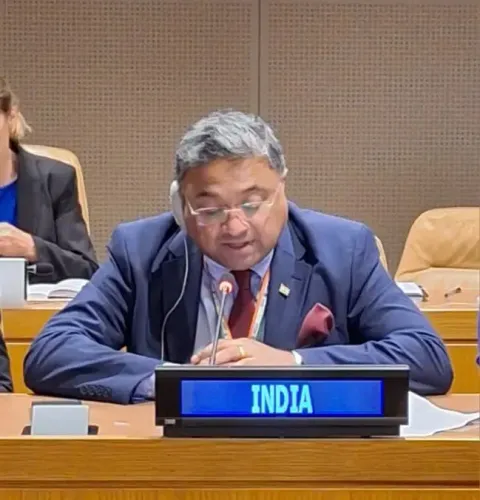
Separately, George also delivered India's national statement at the high-level segment of the UNGA convened to commemorate the 40th Anniversary of the Declaration on the Right to Development. He reaffirmed India's commitment to inclusive development, international cooperation, and multilateral reform, and expressed support for the early adoption of the Covenant on the Right to Development.
The Declaration on the Right to Development, according to the United Nations, proclaims that every person and all peoples are entitled to participate in, contribute to, and enjoy economic, social, cultural, and political development in which all human rights and fundamental freedoms can be fully realised.
Four Decades of Progress — and Gaps
The UN, in its own assessment, noted that while the four decades since the Declaration's adoption have seen significant progress — lifting hundreds of millions out of extreme poverty and expanding access to education and healthcare — progress remains uneven. This uneven trajectory is central to the push for a legally binding Covenant, which India has now formally endorsed.
This comes amid a wider push at the UN for reparatory frameworks, including on climate finance, colonial legacies, and debt relief for the Global South — issues on which India has increasingly sought to position itself as a leading voice.
What Comes Next
India's dual interventions at the UNGA — on cultural restitution and the right to development — signal a coordinated diplomatic posture aimed at strengthening multilateral norms that benefit developing nations. The progress of the Covenant on the Right to Development through the UN system, and any concrete movement on cultural property restitution frameworks, will be the next milestones to watch.
Point of View
And India's vocal endorsement is a signal of intent, not just solidarity. On cultural restitution, the real test will be whether India's calls translate into formal multilateral instruments or remain aspirational — past high-level events on reparatory justice have produced statements far more readily than mechanisms. The absence of any named artefact dispute or bilateral demand in George's remarks keeps the position broad enough to be diplomatically safe, but also limits its immediate impact.
NationPress
24 Sept 2026
Frequently Asked Questions
What did India say about cultural property restitution at the UNGA?
India's MEA Secretary (West) Sibi George called for stronger international cooperation to facilitate the return and restitution of cultural properties and heritage to their countries and communities of origin. He made these remarks at the 'From Commitments to Action on Reparatory Justice' high-level side event co-hosted by Ghana, Germany, and France on the sidelines of the UN General Assembly on 24 September 2026.
What is the Covenant on the Right to Development that India supported?
The Covenant on the Right to Development is a proposed legally binding international instrument that would enshrine the right to development — the principle that all peoples are entitled to participate in and benefit from economic, social, cultural, and political development. India, through Secretary George's UNGA statement, expressed support for its early adoption.
What is the Declaration on the Right to Development?
Adopted by the United Nations 40 years ago, the Declaration on the Right to Development proclaims development as an inalienable human right. It has guided international efforts on sustainable development, poverty eradication, social inclusion, and multilateral cooperation, though progress in fulfilling its goals has remained uneven globally.
Who represented India at these UNGA events?
Sibi George, Secretary (West) at India's Ministry of External Affairs, represented India at both the high-level reparatory justice side event and the national statement segment commemorating the 40th Anniversary of the Declaration on the Right to Development.
Why does India's call for cultural restitution matter?
India has been a vocal advocate for the return of artefacts and heritage objects removed during the colonial era. By raising the issue at a UNGA side event co-hosted by major Western nations, India is pushing for the matter to be addressed through formal international frameworks rather than bilateral negotiations alone, lending the issue greater multilateral weight.