India reaffirms nuclear disarmament push at UN high-level meeting
Synopsis
At UNGA81, India's MEA Secretary (West) Sibi George delivered a flurry of multilateral statements — on nuclear disarmament, anti-racism, and cultural restitution — that together sketch India's Global South diplomacy in sharper relief. The nuclear speech, calling for 'universal, non-discriminatory and verifiable' disarmament, doubles as a pointed critique of the existing nuclear order.
Key Takeaways
India reaffirmed its commitment to a nuclear weapons-free world at the High-Level Plenary Meeting at UN headquarters in New York on 29 September 2026 .
MEA Secretary (West) Sibi George delivered India's statement calling for 'universal, non-discriminatory and verifiable nuclear disarmament.' On 28 September , George reaffirmed India's commitment to combating racism and xenophobia at the 25th anniversary of the Durban Declaration (DDPA) during UNGA81 .
India called for 'concrete, nationally led and internationally coordinated efforts' for the full implementation of the DDPA .
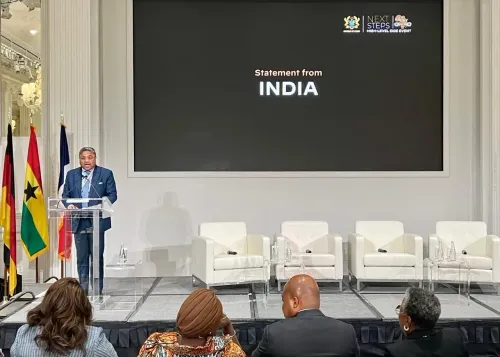
The previous week, George highlighted India's push for stronger international cooperation on the return of cultural properties and heritage at a side event co-hosted by Ghana , Germany , and France .
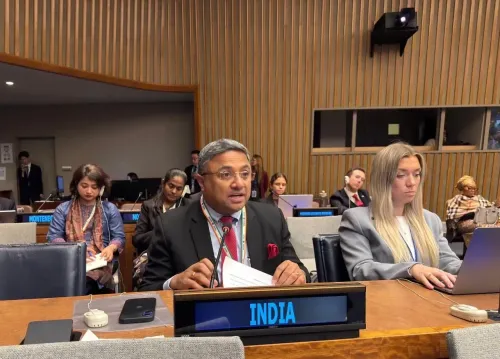
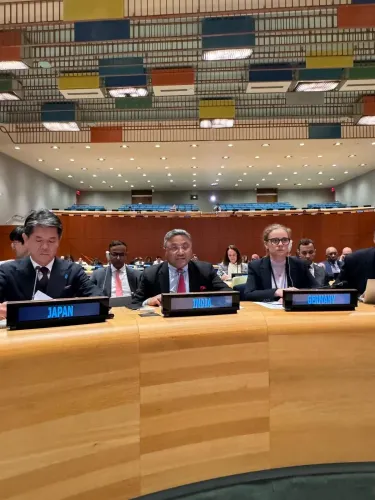
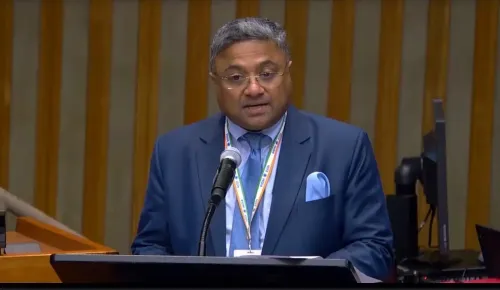
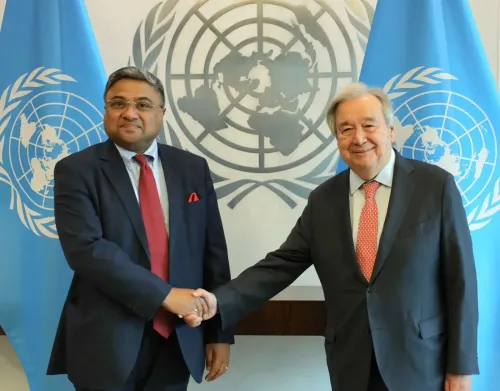
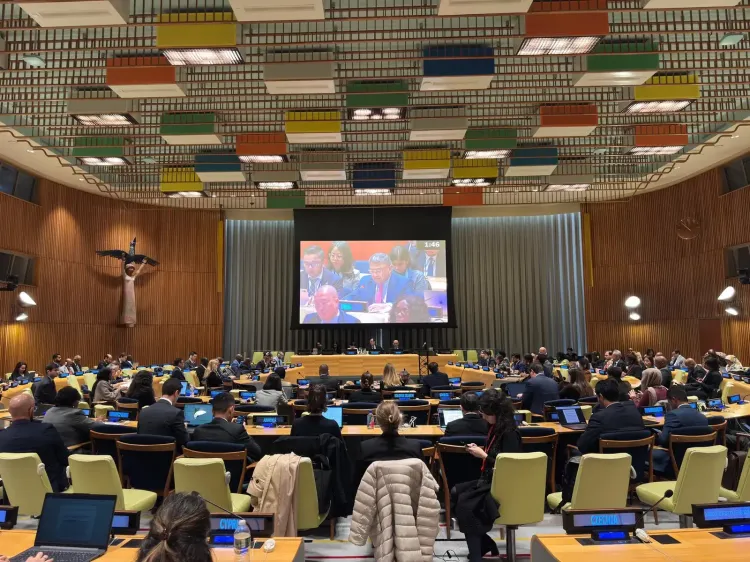
India on Tuesday, 29 September 2026, renewed its call for a nuclear weapons-free world at the High-Level Plenary Meeting commemorating the International Day for the Total Elimination of Nuclear Weapons at UN headquarters in New York. Sibi George, Secretary (West) in the Ministry of External Affairs (MEA), delivered India's formal statement at the gathering, underscoring New Delhi's long-standing position on universal and verifiable nuclear disarmament.
India's Core Position on Nuclear Disarmament
In its statement, India called for 'universal, non-discriminatory and verifiable nuclear disarmament' — language that reflects New Delhi's consistent demand that any disarmament framework must bind all nuclear-armed states equally, not just a select few. India has historically pushed back against arrangements it views as reinforcing a two-tier global order where certain states retain nuclear arsenals indefinitely while others are denied the same. This position aligns with India's no-first-use nuclear doctrine and its decades-long advocacy within multilateral forums.
Durban Declaration and Combating Racism
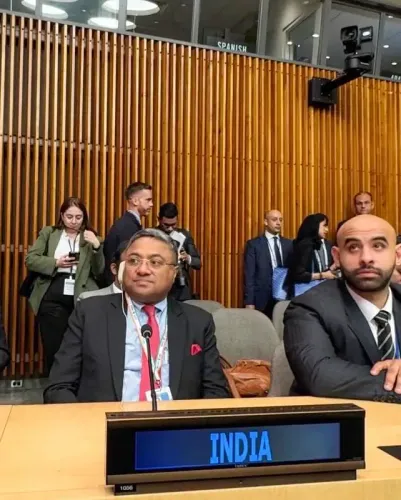
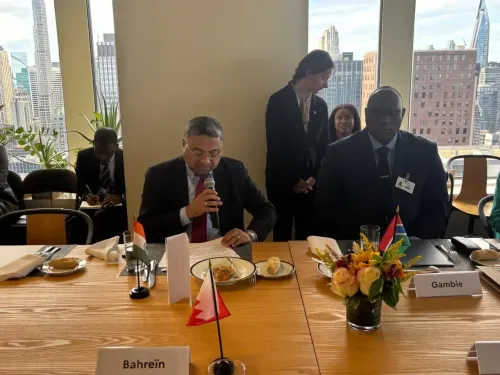
A day earlier, on Monday, 28 September, Secretary George represented India at the High-Level Meeting on the 25th Anniversary of the Durban Declaration and Programme of Action (DDPA), held as part of the ongoing 81st session of the United Nations General Assembly (UNGA81) in New York. India reaffirmed its commitment to combating racism, racial discrimination, xenophobia, and related intolerance, and to promoting equality and dignity for all people. India additionally 'underscored the need for concrete, nationally led and internationally coordinated efforts towards the full and effective implementation of the DDPA,' the MEA noted.
Cultural Heritage Restitution on the Agenda
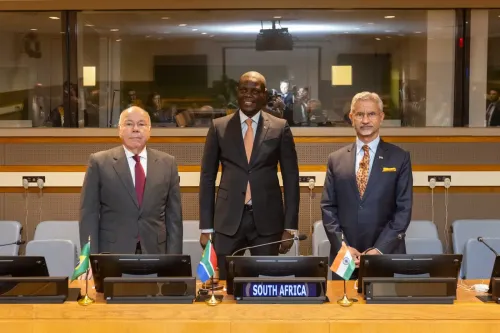
The week prior, Secretary George participated in a high-level side event titled 'From Commitments to Action on Reparatory Justice,' co-hosted by Ghana, Germany, and France on the sidelines of the UNGA. He highlighted the need for stronger international cooperation to facilitate the return and restitution of cultural properties and heritage to their countries and communities of origin — a cause India has championed with growing intensity as it seeks the return of antiquities held in foreign collections.
India's Broader UNGA Engagement This Week
Taken together, India's interventions across nuclear disarmament, anti-racism, and cultural restitution reflect a calculated diplomatic posture at UNGA81 — one that positions New Delhi as an advocate for the Global South while reinforcing its credentials as a responsible, rule-based actor on the world stage. This comes amid heightened global attention on nuclear risks following renewed tensions in multiple regions, making India's reiteration of disarmament goals particularly timely. All three statements were posted on the MEA's official account on X, signalling the importance the government attaches to these multilateral engagements.
Point of View
Something India knows will never advance fast enough to threaten its own deterrent. The demand for 'non-discriminatory' disarmament is, in practice, a critique of the Nuclear Non-Proliferation Treaty's two-tier structure that India never signed. What is notable this week is the breadth of India's multilateral signalling — nuclear disarmament, anti-racism, cultural restitution — all in the space of a few days, which reads less like routine diplomacy and more like a concerted effort to build a Global South narrative heading into a period of heightened geopolitical competition.
NationPress
29 Sept 2026
Frequently Asked Questions
What did India say at the UN nuclear disarmament meeting on 29 September 2026?
India called for a nuclear weapons-free world and the complete elimination of nuclear weapons through 'universal, non-discriminatory and verifiable nuclear disarmament.' The statement was delivered by MEA Secretary (West) Sibi George at the High-Level Plenary Meeting commemorating the International Day for the Total Elimination of Nuclear Weapons at UN headquarters in New York.
Who delivered India's statement at the UN nuclear disarmament meeting?
Sibi George, Secretary (West) in India's Ministry of External Affairs, delivered the statement on behalf of India. He represented India at multiple high-level meetings during the 81st session of the United Nations General Assembly (UNGA81) in New York this week.
What is India's position on nuclear disarmament?
India advocates for universal, non-discriminatory and verifiable nuclear disarmament — meaning all nuclear-armed states must be bound equally by any disarmament framework. India maintains a no-first-use nuclear doctrine and has historically declined to sign the Nuclear Non-Proliferation Treaty, which it views as creating an unequal two-tier global order.
What did India say about the Durban Declaration at UNGA81?
On 28 September 2026, Sibi George reaffirmed India's commitment to combating racism, racial discrimination, and xenophobia at the 25th anniversary High-Level Meeting on the Durban Declaration and Programme of Action (DDPA). India called for concrete, nationally led and internationally coordinated efforts for the full and effective implementation of the DDPA.
What was India's position on cultural heritage restitution at the UNGA side event?
India, represented by Secretary George, called for stronger international cooperation to facilitate the return and restitution of cultural properties and heritage to their countries and communities of origin. The event, 'From Commitments to Action on Reparatory Justice,' was co-hosted by Ghana, Germany, and France on the sidelines of UNGA81.