India-Australia defence ties deepen amid China's Indo-Pacific assertiveness
Synopsis
India and Australia have quietly built one of the Indo-Pacific's most operationally dense defence partnerships — 14 bilateral and 64 multilateral exercises in under seven years, cooperation in anti-submarine warfare, and a new cyber-tech pact. The Lowy Institute's assessment makes clear this is no longer a symbolic alignment: it is a structurally significant security relationship reshaping the regional balance against China's assertiveness.
Key Takeaways
PM Narendra Modi and Australian PM Anthony Albanese signed a Joint Declaration on Defence and Security Cooperation during Modi's July 2026 Australia visit.
The two countries launched PACTS — the Australia-India Partnership on Cyber, Critical Technologies and Supply Chains — with a dedicated defence pillar.
Both nations' armed forces participated in 14 bilateral and 64 trilateral or multilateral exercises between January 2020 and July 2026 .
Cooperation now covers sensitive domains including anti-submarine warfare , air-to-air refuelling , and submarine rescue .
The AUSTRAHIND 2026 joint exercise concluded on 2 November 2026 in Thiruvananthapuram, Kerala .
Bilateral trade has crossed $50 billion and approximately one million people of Indian origin now live in Australia.
India and Australia have significantly deepened their defence and security partnership, driven by shared concerns over China's growing assertiveness in the Indo-Pacific and the prospect of a more unpredictable US foreign policy posture in the region, according to a report by the Lowy Institute, an Australian think tank. The bilateral defence architecture has expanded rapidly, moving well beyond ceremonial exchanges into substantive military, intelligence, and technological cooperation.
Key Agreements From Modi's July 2026 Australia Visit
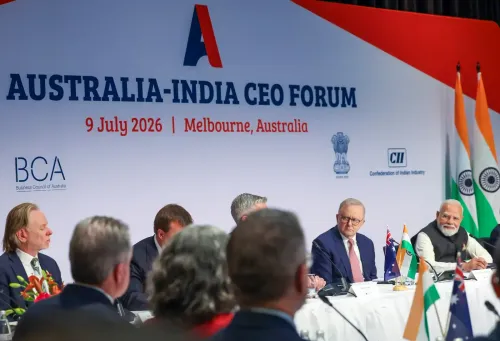
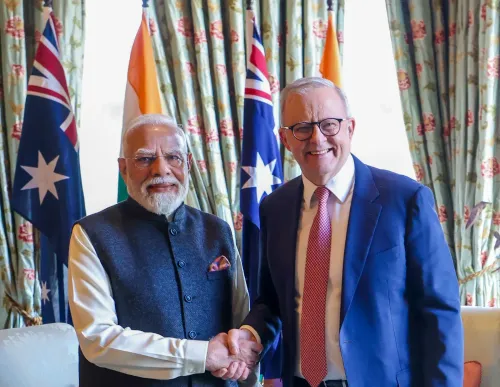
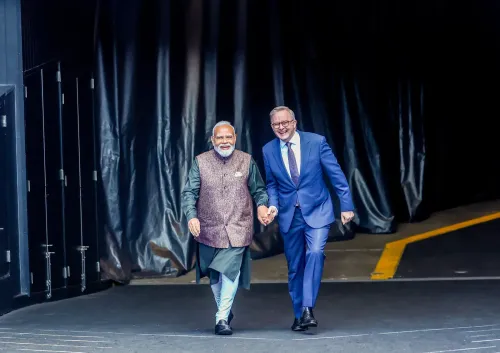
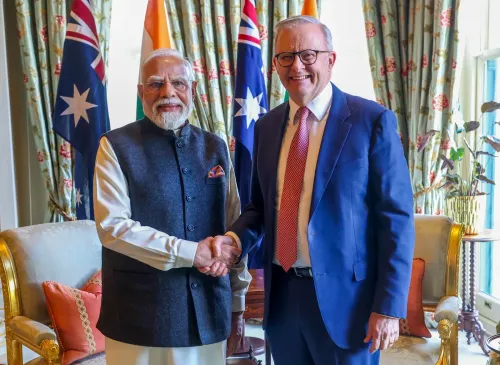
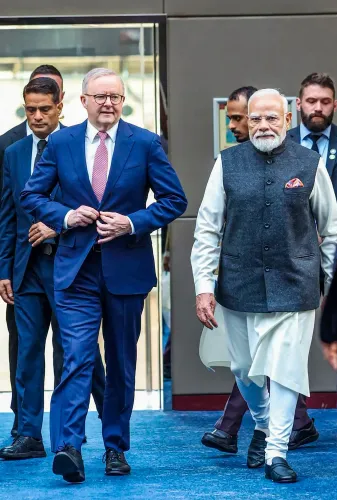
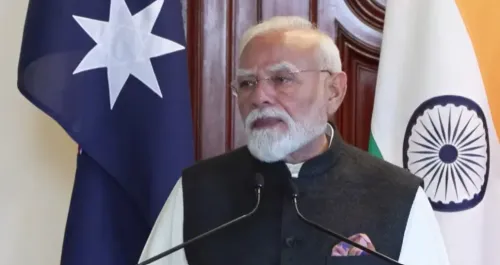
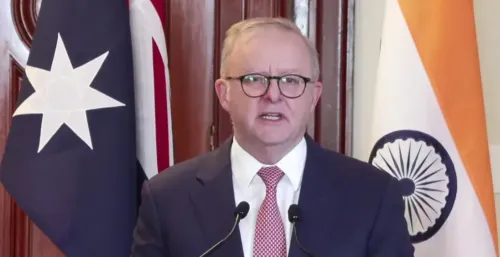
During Prime Minister Narendra Modi's visit to Australia in July 2026 — his third trip to the country in 12 years as Prime Minister — he and Australian Prime Minister Anthony Albanese signed a Joint Declaration on Defence and Security Cooperation. The two leaders also agreed on a classified maritime security collaboration roadmap and launched the Australia-India Partnership on Cyber, Critical Technologies and Supply Chains (PACTS), which includes a dedicated defence pillar.
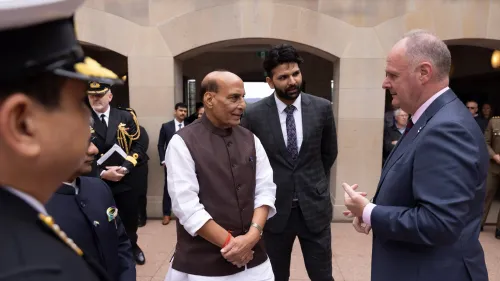
Additionally, the two sides formalised cooperation between Australia's Maritime Border Command and the Indian Coast Guard through a Memorandum of Understanding (MoU). This followed a separate agreement the previous month, when defence ministers from both countries committed to working towards an MoU on the Provision of Defence Articles and Defence Services.
Scope of Military Engagement
According to the Lowy Institute report, the armed forces of both nations participated in 14 bilateral and 64 trilateral or multilateral exercises between January 2020 and July 2026. The defence partnership now encompasses structured political-military dialogues, regular ground, air, and naval exercises, and cooperation in intelligence, hydrography, logistics, professional education and training.
Notably, cooperation has extended into previously sensitive operational domains — including anti-submarine warfare (ASW), air-to-air refuelling, submarine rescue, and replenishment at sea. This expanded capability-sharing has had practical effect: it has facilitated Australian vessel operations in the Middle East and Indian military operations in the South Pacific.
AUSTRAHIND 2026 and the Quad Connection
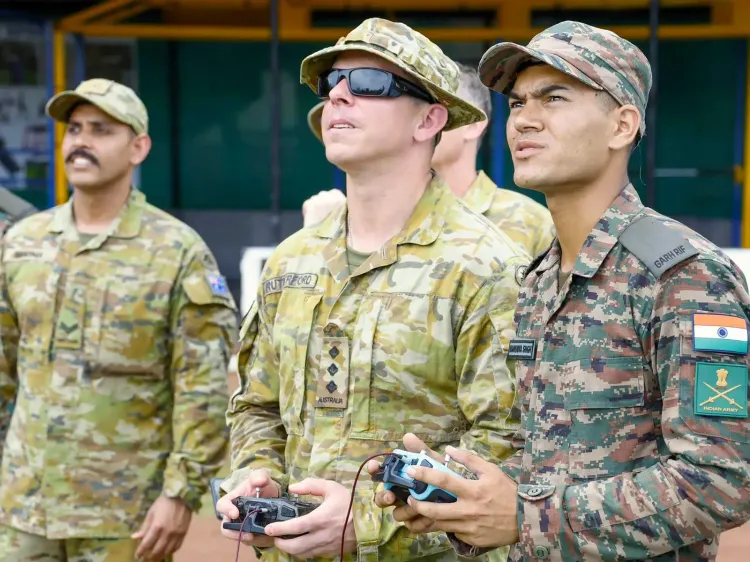
The 5th edition of the AUSTRAHIND joint military exercise concluded on 2 November 2026, with a closing ceremony held at the Foreign Training Node in Thiruvananthapuram, Kerala. According to the Indian Army, the 14-day exercise brought together troops from both countries for intensive training focused on enhancing interoperability, fostering mutual trust, and reinforcing shared commitment to regional security.
Within the broader Quad framework — alongside the United States and Japan — India and Australia are actively expanding maritime domain awareness (MDA) in the Indo-Pacific, improving shared logistics capabilities, coordinating on economic and technological security, and collaborating on humanitarian assistance and disaster relief.
People, Trade, and the Strategic Foundation
The Lowy Institute report underscored that migration and commerce have emerged as equally important pillars of the relationship. Approximately one million people of Indian origin now live in Australia, and bilateral trade has crossed the $50-billion mark following the conclusion of the Economic Cooperation and Trade Agreement (ECTA) in 2022. This people-to-people and economic foundation lends durability to the security alignment, analysts note.
As the Indo-Pacific strategic environment grows more complex, the India-Australia defence partnership appears poised to expand further — with both governments signalling intent to deepen cooperation in emerging domains such as cyber and critical technologies.
Point of View
India and Australia are hedging through each other. What is striking is the operational specificity — anti-submarine warfare and air-to-air refuelling are not symbolic gestures, they are warfighting capabilities. Yet the partnership's real test will come if either side faces direct pressure from Beijing; New Delhi's historical reluctance to sign binding mutual defence commitments has not gone away. The institutionalisation through PACTS and classified roadmaps is significant, but India's strategic autonomy doctrine means Canberra should not expect an ANZUS-style guarantee in return.
NationPress
7 Nov 2026
Frequently Asked Questions
What did India and Australia agree on during PM Modi's July 2026 visit to Australia?
During the July 2026 visit, PM Narendra Modi and Australian PM Anthony Albanese signed a Joint Declaration on Defence and Security Cooperation, launched the PACTS cyber and critical technologies partnership, agreed on a classified maritime security roadmap, and formalised an MoU between Australia's Maritime Border Command and the Indian Coast Guard.
What is AUSTRAHIND 2026 and where was it held?
AUSTRAHIND 2026 is the 5th edition of the India-Australia joint military exercise. It concluded on 2 November 2026 at the Foreign Training Node in Thiruvananthapuram, Kerala, with a 14-day programme focused on interoperability and regional security.
Why are India and Australia deepening their defence ties?
Both countries share concerns over China's growing assertiveness in the Indo-Pacific and the possibility of a less predictable US policy in the region. This convergence of strategic interests has accelerated their defence cooperation across military exercises, intelligence sharing, and emerging technology domains.
How many military exercises have India and Australia conducted since 2020?
Between January 2020 and July 2026, the armed forces of India and Australia participated in 14 bilateral and 64 trilateral or multilateral exercises, according to the Lowy Institute report.
What is the economic foundation of the India-Australia relationship?
Bilateral trade has crossed $50 billion following the Economic Cooperation and Trade Agreement (ECTA) signed in 2022, and approximately one million people of Indian origin now live in Australia. This people-to-people and economic base strengthens the broader strategic partnership.