India can boost Middle East stability via maritime security and diplomacy: Report
Synopsis
A Real Clear Defence report argues India must urgently expand maritime intelligence-sharing with Gulf partners, deploy P-8I surveillance assets, and press Tehran over attacks on Indian shipping — while soberly acknowledging that the India-Middle East-Europe Economic Corridor was structurally flawed even before the Gaza war began.
Key Takeaways
A Real Clear Defence report released on 31 October urges India to deepen maritime security cooperation in the Middle East .
Threats at the Strait of Hormuz and Bab el-Mandeb Strait directly endanger Indian energy supplies and export routes to Europe.
India is advised to expand intelligence exchanges with Saudi Arabia and the UAE , coordinate naval escorts, and use P-8I aircraft to monitor suspicious shipping.
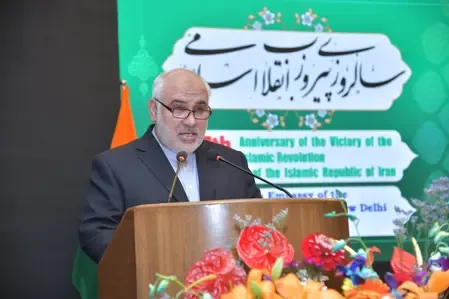
India's ties with Tehran are identified as a diplomatic channel to address attacks on Indian crews and cargo near Chabahar .
The report describes the original IMEC proposal as 'unrealistic,' citing funding gaps, Saudi-Israeli normalisation uncertainty, and Egyptian opposition.
Possible links between Houthi forces and Al-Shabaab across the Gulf of Aden are flagged as an emerging threat to Indian commercial shipping.
India has a significant opportunity to deepen its role in Middle East maritime security and regional diplomacy, particularly as key shipping lanes through the Strait of Hormuz and the Bab el-Mandeb Strait face escalating threats, according to a report published in Real Clear Defence (RCD). The assessment, released on 31 October, outlines a range of strategic steps New Delhi could take to protect its economic interests while expanding its geopolitical footprint in the region.
Why the Strait of Hormuz and Bab el-Mandeb Matter for India
The stakes for India are direct and economic. According to the RCD report, 'Threats around Hormuz endanger the Gulf energy supplies that Indian refineries rely on. Houthi attacks around Bab el-Mandeb make Indian exports to Europe more expensive when shipping companies divert vessels around Africa.'
The report further noted that insurance premiums and delivery delays ripple through to manufacturers negotiating contracts with European buyers. It cautioned that while Saudi Arabia can route oil westward via its East-West Pipeline to Yanbu, insecurity in the Red Sea also threatens shipping from that port — meaning India cannot treat one threatened passage as a reliable fallback for the other.
What India Could Do: Maritime Intelligence and Escorts
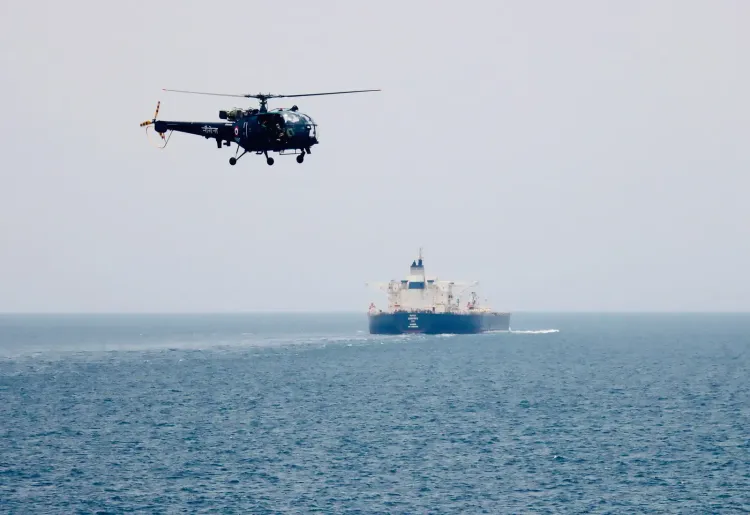
The report recommends that New Delhi expand maritime intelligence exchanges with Riyadh and Abu Dhabi, coordinate naval escorts when threats warrant them, and deploy its P-8I surveillance aircraft to help identify suspicious shipping movements. Indian warships have already assisted merchant vessels in the western Indian Ocean, establishing a credible operational baseline for wider engagement.
The report also suggests India press Tehran over attacks affecting Indian crews and cargo, while simultaneously working with Gulf partners on protecting port facilities and oil shipments. It notes that India's sustained ties with Iran give New Delhi a channel to raise shipping security concerns while safeguarding its interests at the Chabahar port. Additionally, Saudi Arabia and the UAE could share intelligence on suspected weapons shipments with Indian agencies, the report stated.
Aden, Al-Shabaab and the Houthi Threat
Aden's historic trade links with India, the report argues, provide scope for cooperation with legitimate Yemeni authorities on port security. The assessment also flags a less-discussed risk: possible operational links between Houthi forces and Al-Shabaab across the Gulf of Aden. According to the report, trafficking routes and technical exchanges between the two groups could pose a growing threat to Indian commercial shipping — a dimension that has received limited attention in mainstream strategic discourse.
Revisiting IMEC: Ambition Versus Reality
The report is notably candid about the limitations of the India-Middle East-Europe Economic Corridor (IMEC), describing the original proposal as 'unrealistic before the Gaza war.' It points to several structural obstacles: Riyadh showed limited willingness to shoulder the corridor's enormous infrastructure costs; Saudi-Israeli normalisation was never guaranteed; and Saudi Arabia and the UAE were already competing to attract logistics investment and control regional trade routes.
Furthermore, Egypt objected to a corridor that could divert traffic away from the Suez Canal, while Bahrain reportedly resented being excluded despite its existing normalisation agreement with Israel. The report recommends revisiting IMEC in line with available funding and concrete political commitments rather than aspirational timelines.
Gaza and Israel: India's Diplomatic Position
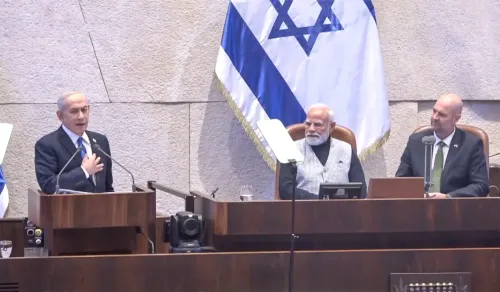
Beyond maritime security, the report suggests India examine competing proposals for Gaza and consider opposing efforts to diplomatically isolate Israel — a nuanced position that reflects New Delhi's longstanding policy of engaging multiple stakeholders in the region without formally aligning with any single bloc. This approach, analysts note, has historically allowed India to maintain working relationships with both Arab states and Israel simultaneously.
As threats to global shipping lanes persist and regional fault lines deepen, India's next moves in the Middle East — diplomatic, maritime, and infrastructural — will carry consequences well beyond the region.
Point of View
The Houthi-Al-Shabaab linkage deserves far more attention than it has received; if trafficking and technical cooperation between the two groups solidifies, India's exposure in the Gulf of Aden will require a qualitatively different response than escort coordination alone. New Delhi's balancing act — maintaining ties with Tehran, Riyadh, Abu Dhabi, and Tel Aviv simultaneously — remains its greatest regional asset, but it also means every escalation forces a harder choice about which relationship to prioritise.
NationPress
31 Oct 2026
Frequently Asked Questions
What does the Real Clear Defence report recommend for India in the Middle East?
The report recommends that India expand maritime intelligence exchanges with Saudi Arabia and the UAE, coordinate naval escorts in threatened waters, and use P-8I surveillance aircraft to monitor suspicious shipping. It also suggests India press Iran over attacks affecting Indian crews and cargo while protecting its interests at Chabahar port.
Why are the Strait of Hormuz and Bab el-Mandeb critical for India?
The Strait of Hormuz carries Gulf energy supplies that Indian refineries depend on, while Houthi attacks near the Bab el-Mandeb force shipping companies to reroute around Africa, raising costs for Indian exporters. The report warns India cannot rely on one passage as a safe alternative to the other, since both face distinct threats.
What is the current status of the India-Middle East-Europe Economic Corridor (IMEC)?
The report describes the original IMEC proposal as 'unrealistic,' citing Saudi Arabia's reluctance to fund the enormous infrastructure bill, uncertainty over Saudi-Israeli normalisation, competition between Saudi Arabia and the UAE for logistics dominance, and opposition from Egypt and Bahrain. It recommends revisiting the corridor only in line with available funding and concrete political commitments.
What is the Houthi-Al-Shabaab threat flagged in the report?
The report warns that possible operational links between Houthi forces and Al-Shabaab across the Gulf of Aden — including trafficking routes and technical exchanges — could pose a growing threat to Indian commercial shipping. It calls for closer attention to this connection, which has received limited coverage in mainstream strategic analysis.
How does India's relationship with Iran factor into its Middle East maritime strategy?
India's sustained diplomatic ties with Tehran give New Delhi a channel to raise concerns about attacks on Indian shipping and crews, while simultaneously protecting its strategic investment at Iran's Chabahar port. The report identifies this dual engagement as a unique diplomatic asset that other regional powers do not possess.