India at UN urges nations to block weaponisable tech transfer to Pakistan-like states
Synopsis
India used the UN General Assembly's First Committee on 20 October to push all member states to stop weaponisable sensitive technology from reaching countries with terrorism links — an unmistakable reference to Pakistan. The appeal, backed by India's annually introduced WMD resolution since 2002, comes as New Delhi intensifies its multilateral campaign to isolate Islamabad on nuclear and biosecurity grounds.
Key Takeaways
India addressed the UN General Assembly's First Committee on 20 October 2026 , urging vigilance on sensitive technology transfers to states linked to terrorism.
JD(U) MP Alok Kumar Suman made the remarks without naming Pakistan directly, but the reference was widely understood.
India has introduced the resolution 'Measures to Prevent Terrorists from Acquiring Weapons of Mass Destruction' every year since 2002 ; it has been adopted unanimously.
India supports adapting the Chemical Weapons Convention to address threats from non-state actors.
India hosted a Biological Weapons Convention anniversary conference in New Delhi attended by 80 countries , underscoring its biosecurity credentials.
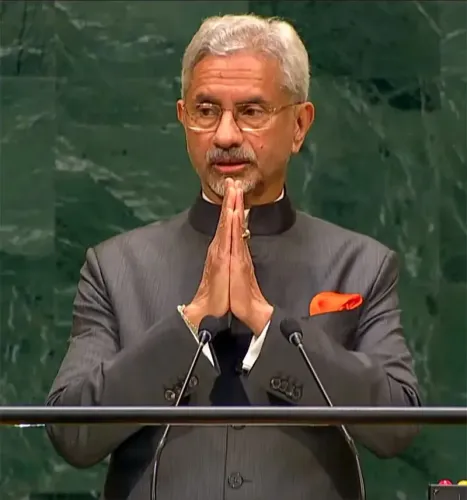
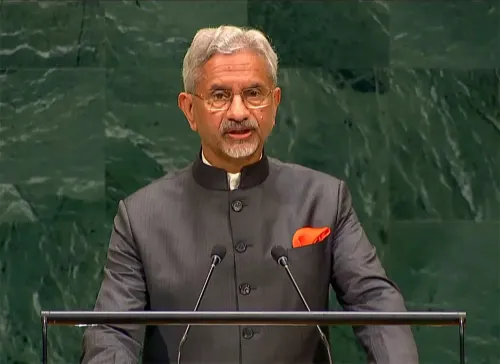
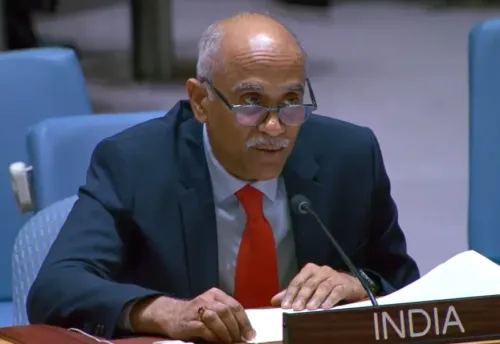
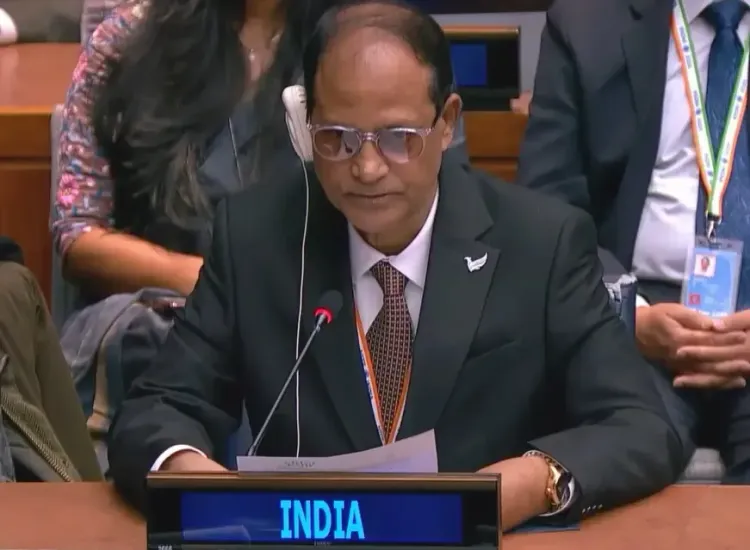
India on Monday, 20 October 2026, called on all member states of the United Nations to ensure that weaponisable sensitive technology does not reach countries with documented links to terrorism — a pointed reference to Pakistan, though the country was not named explicitly. The appeal was made before the UN General Assembly's First Committee, which handles disarmament and international security.
What India Said at the First Committee
Janata Dal (United) MP Alok Kumar Suman, representing Bihar's Gopalganj constituency and part of the second contingent of India's parliamentary delegation to the UN, addressed the committee on behalf of India. 'India is deeply concerned about the risk of weapons of mass destruction falling into the hands of terrorists and non-state actors,' he said.
Without naming Pakistan, but making the reference unmistakable, Suman added: 'We encourage all member states to remain vigilant about the transfer or devolution of sensitive technology, particularly to those with a record of proliferation or link to terrorism.'
The Pakistan Context
Islamabad's alleged links to terrorism are well-documented in international discourse — including its reported sponsorship of outfits such as Lashkar-e-Tayyiba and Jaish-e-Mohammed, and the shelter reportedly extended to former al-Qaeda chief Osama bin Laden before his killing in Abbottabad in 2011. India has consistently raised these links at multilateral forums to press for stricter export-control and technology-transfer norms.
India's WMD Resolution and Long-Standing Advocacy
Suman reminded the committee that since 2002, India has annually introduced a resolution titled 'Measures to Prevent Terrorists from Acquiring Weapons of Mass Destruction'. The resolution, adopted unanimously, calls upon all member states to support international efforts to deny terrorists access to weapons of mass destruction and their delivery systems.
It further urges governments to take and strengthen national measures — 'as appropriate' — to prevent terrorists from acquiring such weapons, related materials, and manufacturing technologies. India also expressed support for adapting the Chemical Weapons Convention to strengthen its verification mechanisms in light of the growing threat posed by non-state actors.
India's Role in Biosecurity Diplomacy
Suman also highlighted India's convening of an international conference in New Delhi in December to mark the 50th anniversary of the Biological Weapons Convention (BWC) — the treaty that bans the development, production, stockpiling, and transfer of biological weapons. The conference drew participation from 80 countries, which, according to Suman, 'demonstrated India's capacity in biosecurity and public health, and underlined the role the Global South must play in shaping the convention over the next 50 years.'
What This Signals
India's intervention at the First Committee reflects a broader strategic push to build multilateral consensus against proliferation risks emanating from state-sponsored terrorism. This comes amid continued international scrutiny of Pakistan's nuclear security apparatus and its relationships with listed terror groups. The annual WMD resolution has become a key diplomatic instrument for New Delhi to keep this issue on the global agenda without triggering direct confrontation at the Security Council.
Point of View
Yet leaving nothing ambiguous. The annual WMD resolution has become less a disarmament tool and more a diplomatic audit trail, building a multilateral record against Pakistan's proliferation conduct over two decades. What is striking is the simultaneous move on two fronts: tightening technology-transfer norms while positioning India as a biosecurity leader for the Global South via the BWC anniversary conference. The implicit message is that responsible nuclear and biological stewardship is a credential India holds and Pakistan does not. Whether this changes material outcomes at the UN depends on whether major technology-exporting nations translate rhetoric into stricter export controls — something Washington, Beijing, and Brussels have historically been reluctant to do when commercial and strategic interests cut across nonproliferation norms.
NationPress
20 Oct 2026
Frequently Asked Questions
What did India say at the UN First Committee on 20 October 2026?
India urged all UN member states to prevent the transfer of weaponisable sensitive technology to countries with records of proliferation or links to terrorism — a clear reference to Pakistan. JD(U) MP Alok Kumar Suman, part of India's parliamentary delegation to the UN, delivered the remarks before the General Assembly's First Committee on disarmament.
Why did India reference Pakistan without naming it?
Diplomatic convention at the UN General Assembly typically avoids direct naming of member states in plenary statements, as it can trigger procedural challenges and deflect from the substantive message. By describing 'those with a record of proliferation or link to terrorism,' India signalled Pakistan unambiguously while keeping its statement within accepted multilateral norms.
What is India's WMD resolution at the UN?
Since 2002, India has introduced an annual resolution titled 'Measures to Prevent Terrorists from Acquiring Weapons of Mass Destruction' at the UN General Assembly. Adopted unanimously, it calls on all member states to deny terrorists access to WMDs, their delivery systems, and related manufacturing materials and technologies.
What is the significance of the Biological Weapons Convention conference India hosted?
India convened an international conference in New Delhi to mark the 50th anniversary of the Biological Weapons Convention, drawing participation from 80 countries. The BWC bans the development, production, stockpiling, and transfer of biological weapons; India used the conference to assert its biosecurity leadership and argue for a stronger Global South voice in shaping the treaty's next 50 years.
How does India's stance connect to broader India-Pakistan tensions?
India has long sought to use multilateral forums to highlight Pakistan's alleged sponsorship of groups like Lashkar-e-Tayyiba and Jaish-e-Mohammed, and the shelter reportedly given to Osama bin Laden. The UN First Committee intervention is part of a sustained diplomatic strategy to build international pressure on Pakistan's nuclear security and counterterrorism record.