India-Nepal connectivity and energy ties get fresh push on Independence Day
Synopsis
On India's Independence Day, Ambassador Naveen Srivastava laid out the full breadth of the India-Nepal partnership — from a Biratnagar rail link and cross-border digital payments to 12 earthquake-era heritage projects handed over in June. With Nepal's new Rastriya Swatantra Party government in place, New Delhi is signalling that its 'Neighbourhood First' push is entering a more ambitious phase.
Key Takeaways
Ambassador Naveen Srivastava delivered an Independence Day message on 15 August 2025 from the Indian Embassy in Kathmandu , outlining India-Nepal cooperation priorities.
Railway connectivity between the Indian rail network and Biratnagar is set to improve Nepal's customs, trade, and transit efficiency.
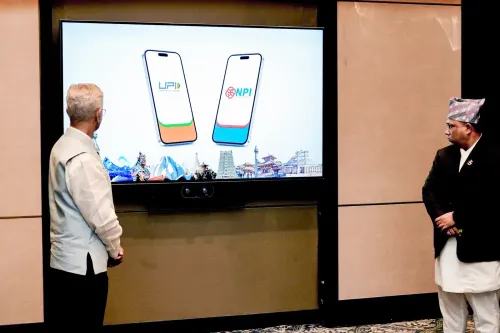
Cross-border digital payments will ease remittances for Nepali workers employed in India.
Indian companies are developing multiple hydropower projects in Nepal, with electricity transmission cooperation expanding.
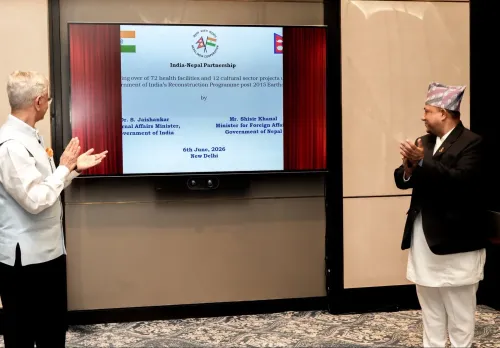
India supported reconstruction of 12 cultural heritage projects after the 2015 Nepal earthquake ; handover completed in June during FM Shisir Khanal's New Delhi visit.
PM Narendra Modi has congratulated Nepal's new PM Balendra Shah of the Rastriya Swatantra Party and reaffirmed bilateral commitment.
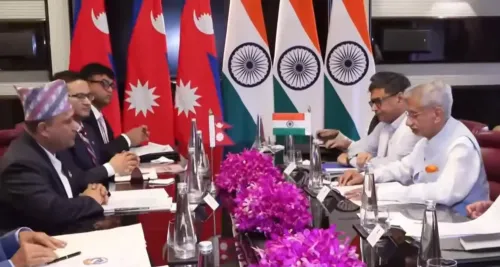
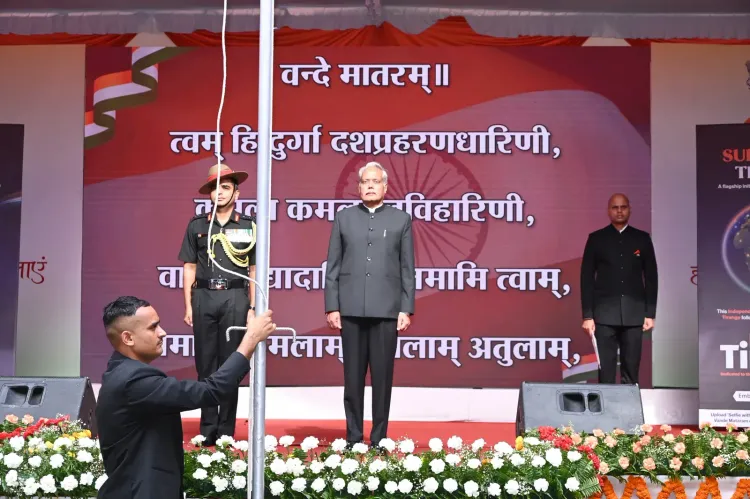
India's Ambassador to Nepal, Naveen Srivastava, on 15 August 2025 underscored the rapid deepening of bilateral relations between India and Nepal, spotlighting infrastructure connectivity, hydropower cooperation, and emerging technology partnerships as the defining pillars of the relationship. His remarks came in an Independence Day message delivered from the Indian Embassy in Kathmandu, where a flag-hoisting ceremony was also held on Saturday morning.
Connectivity at the Core
Ambassador Srivastava pointed to an accelerating infrastructure agenda as the backbone of the bilateral partnership. The construction of roads, bridges, and railways is actively strengthening physical links between the two neighbours, he said. Most notably, he highlighted that railway connectivity between the Indian rail network and Biratnagar in Nepal would streamline the country's customs, trade, and transit arrangements. He added that the rollout of cross-border digital payments would ease remittance transfers for the large number of Nepali citizens employed in India — a channel that represents a significant share of Nepal's household income.
Energy and Hydropower Expansion
On the energy front, Srivastava said cooperation on electricity transmission lines and allied sectors was contributing to sustainable development on both sides of the border. Indian companies are currently developing multiple hydropower projects in Nepal, with both governments expanding collaboration in this space. The Ambassador described energy cooperation as a strategic priority, given Nepal's vast untapped hydropower potential and India's growing power demand.
Emerging Sectors and Cultural Ties
'India-Nepal cooperation and stronger connectivity are now helping to promote greater collaboration in many emerging areas, including startups, aviation, information technology and renewable energy,' Srivastava said. He also cited ongoing efforts to strengthen ties in space and sports, particularly cricket. Cooperation is steadily widening across commerce, investment, education, disaster response and risk reduction, he added.
Notably, Srivastava recalled India's post-earthquake support, stating that India had backed the reconstruction of 12 cultural heritage projects in Nepal following the devastating 2015 earthquake. These projects were virtually inaugurated and handed over during the visit of Nepal Foreign Minister Shisir Khanal to New Delhi in June — a moment the Ambassador described as reflecting India's enduring commitment to development cooperation.
Political Context and New Leadership
Srivastava also acknowledged Nepal's recent political transition. Prime Minister Narendra Modi had congratulated Nepal's new leadership following elections held on 5 March, reaffirming India's commitment to strengthening bilateral ties. Nepal subsequently formed a new government under Prime Minister Balendra Shah, a senior leader of the ruling Rastriya Swatantra Party. India's outreach to the new administration signals continuity in its 'Neighbourhood First' policy.
What's Next
With the Biratnagar rail link and digital payments corridor both in advanced stages, the coming months are expected to test whether these frameworks translate into measurable trade and remittance gains. India's sustained engagement — spanning infrastructure, energy, culture, and now emerging tech — positions the bilateral relationship for its broadest expansion in years.
Point of View
A formation that New Delhi had less prior experience managing. By foregrounding rail links, digital remittances, and heritage handovers, Ambassador Srivastava is making a practical, transactional case for the relationship rather than a purely sentimental one. The inclusion of startups, space, and cricket alongside hydropower suggests India is consciously broadening its pitch to younger Nepali constituencies. The real question is pace: connectivity frameworks between the two countries have a long history of announcement without delivery, and the Biratnagar rail link in particular has been in progress for years. Whether the new political context in Kathmandu accelerates execution — or introduces fresh friction — will define the bilateral story in the months ahead.
NationPress
15 Aug 2026
Frequently Asked Questions
What did India's Ambassador to Nepal say on Independence Day 2025?
Ambassador Naveen Srivastava, in his Independence Day message on 15 August 2025, highlighted deepening India-Nepal ties across infrastructure, energy, digital payments, and emerging sectors such as startups and space. He also recalled India's support for rebuilding 12 cultural heritage sites damaged in Nepal's 2015 earthquake.
How will the Biratnagar railway link benefit Nepal?
The railway connection between the Indian rail network and Biratnagar is expected to make Nepal's customs, trade, and transit arrangements more efficient and cost-effective. It forms part of a broader infrastructure push to improve physical connectivity between the two neighbours.
What is the significance of cross-border digital payments between India and Nepal?
The launch of cross-border digital payments is designed to simplify remittance transfers for the large number of Nepali citizens working in India. Remittances are a major source of household income in Nepal, and reducing friction in this channel has direct welfare implications.
What is the status of India-Nepal hydropower cooperation?
Indian companies are currently developing multiple hydropower projects in Nepal, and cooperation on electricity transmission lines is expanding. Ambassador Srivastava described energy collaboration as a key contributor to sustainable development on both sides of the border.
Who is Nepal's new Prime Minister and what is India's position?
Nepal formed a new government under Prime Minister Balendra Shah, a senior leader of the Rastriya Swatantra Party, following elections on 5 March. PM Narendra Modi congratulated Shah and reaffirmed India's commitment to strengthening bilateral ties.