Indian missions in UAE advise travellers to get medical insurance with repatriation cover
Synopsis
India's missions in Abu Dhabi and Dubai have jointly flagged a surge in cases where Indian nationals were left with unaffordable hospital bills in the UAE due to inadequate insurance. The advisory — covering both tourists and long-term residents — insists on repatriation cover and cashless facilities, reflecting a broader consular concern about welfare gaps for the UAE's estimated 3.5 million-strong Indian community.
Key Takeaways
The Embassy of India, Abu Dhabi and Consulate General of India, Dubai jointly issued a medical insurance advisory on 27 October 2026 .
Indians travelling to the UAE for tourism or visits are advised to buy insurance with cashless facilities and medical repatriation cover before departure.
Indians residing in the UAE on employment visas or as dependents are urged to verify their existing insurance is adequate.
The advisory follows multiple cases of Indian nationals facing unaffordable hospital bills with insufficient coverage.
India and UAE reaffirmed citizen welfare commitments at the 7th JCCA meeting in New Delhi on 22 July , co-chaired by Sripriya Ranganathan and Omar Obaid Mohammed Alhesan Alshamsi .
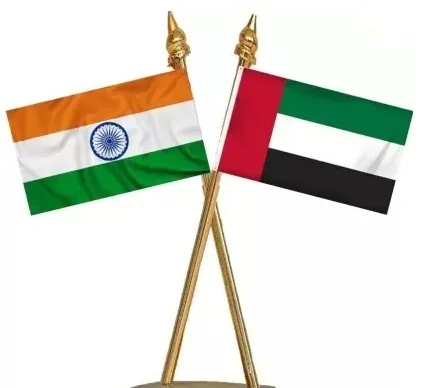
The Embassy of India in Abu Dhabi and the Consulate General of India in Dubai on Tuesday, 27 October jointly issued an advisory urging all Indian nationals travelling to the United Arab Emirates (UAE) to secure adequate medical insurance before departure — including cover for cashless treatment and medical repatriation to India. The advisory was triggered by a growing number of cases in which Indians faced crippling hospital bills that neither they nor their families could afford.
What the Advisory Says
The dual-mission advisory specifically called out two groups: tourists and visitors heading to the UAE, and Indians already residing in the UAE on employment visas or as dependents. For travellers, the missions stressed that insurance must be purchased before the journey begins and must include cashless facilities and full coverage for medical repatriation costs in the event of an unforeseen emergency.
'The Embassy of India, Abu Dhabi and Consulate General of India, Dubai and Northern Emirates have been receiving several instances of Indian nationals meeting with unforeseen illnesses or medical emergencies resulting in huge medical bills beyond the capacity of the patient or their family members to bear and having inadequate insurance cover,' the advisory stated.
For residents, the advisory urged them to verify that their existing employer-provided or personal insurance is sufficient to cover all medical costs in the UAE as well as the expense of being flown back to India if required.
Why This Matters for the Indian Diaspora
The UAE is home to one of the largest Indian communities in the world, with an estimated 3.5 million Indian nationals living and working across the country. A significant portion are blue-collar workers whose employer-linked insurance may carry gaps or low caps. Medical costs in the UAE — particularly for intensive care or surgical procedures — can run into tens of thousands of dollars, and the absence of repatriation cover often forces families in India to liquidate assets or seek community help to bring a critically ill relative home.
This is not an isolated advisory. Indian missions in the Gulf have periodically flagged insurance gaps, but the joint issuance by both Abu Dhabi and Dubai underscores the scale of cases now reaching consular desks.
India-UAE Consular Framework
The advisory comes months after India and the UAE reaffirmed bilateral commitments to citizen welfare at the 7th Meeting of the India-UAE Joint Committee on Consular Affairs (JCCA), held in New Delhi on 22 July. The meeting was co-chaired by Sripriya Ranganathan, Secretary (CPV and OIA), and Omar Obaid Mohammed Alhesan Alshamsi, Undersecretary of the UAE Ministry of Foreign Affairs. Technical-level talks at that meeting covered consular issues, labour and mobility, and extradition and mutual legal assistance.
What Travellers and Residents Should Do
Indian nationals planning UAE travel are advised to purchase a comprehensive travel insurance policy from a recognised insurer that explicitly covers hospitalisation in the UAE, cashless treatment, and air ambulance or repatriation costs. Those already in the UAE should review their policy documents and, where necessary, top up coverage. The missions have not named specific insurers but recommended cross-checking policy terms before departure or visa renewal.
With the winter travel season approaching and a surge in Indian tourism to Dubai expected through December 2026, consular officials are likely to monitor insurance compliance closely in the months ahead.
Point of View
Not to actual medical costs or repatriation needs. Until India negotiates binding insurance standards as part of bilateral labour mobility agreements — something the JCCA framework could enable — advisories like this will keep appearing without changing the underlying vulnerability.
NationPress
27 Oct 2026
Frequently Asked Questions
What does the Indian mission advisory for UAE travel recommend?
The advisory recommends that all Indian nationals travelling to the UAE purchase medical insurance before departure that covers hospitalisation, cashless treatment, and medical repatriation to India. Indians already living in the UAE on employment visas or as dependents are advised to verify their existing coverage is adequate.
Why have Indian missions in the UAE issued this advisory?
The Embassy of India in Abu Dhabi and the Consulate General in Dubai have been receiving multiple cases of Indian nationals facing large hospital bills they cannot afford due to inadequate or no insurance. The advisory aims to prevent further financial distress among travellers and residents.
Who does the UAE medical insurance advisory apply to?
It applies to two groups: Indian tourists or visitors travelling to the UAE, who must arrange insurance before starting their journey; and Indians already residing in the UAE on employment visas or as dependents, who must check that their current insurance covers all UAE medical costs and repatriation.
What is the India-UAE JCCA and how is it relevant?
The India-UAE Joint Committee on Consular Affairs (JCCA) is a bilateral body that oversees citizen welfare, consular issues, and labour mobility between the two countries. Its 7th meeting, held in New Delhi on 22 July, reaffirmed both countries' commitment to the safety and dignity of their nationals, providing the diplomatic backdrop for the insurance advisory.
What should Indian nationals in the UAE look for in a medical insurance policy?
A suitable policy should explicitly cover hospitalisation costs within the UAE, cashless treatment facilities, and the full cost of air ambulance or scheduled medical repatriation to India in the event of a serious emergency. Residents should ensure these terms are included and not capped at amounts below realistic treatment costs.