India's women empowerment journey since Independence: Key milestones and gaps
Synopsis
From a female literacy rate of 39 per cent in 1991 to 1.4 million women in elected local bodies today, India's women empowerment arc spans seven decades of constitutional design, legal reform, and welfare schemes — but the 106th Amendment's promise of Lok Sabha seats for women is yet to be fully tested, and regional gaps remain wide.
Key Takeaways
India has more than 700 million women and girls , and constitutional equality provisions date to Independence .
The 73rd and 74th Constitutional Amendments have placed over 1.4 million women in elected grassroots positions.
The 106th Constitutional Amendment (2023) reserves one-third of Lok Sabha and State Assembly seats for women.
Female literacy rose from 39 per cent (1991) to 65.5 per cent (2011) , aided by schemes like Beti Bachao Beti Padhao .
The Maternal Mortality Ratio dropped from 508 per 1,00,000 live births (1990) to an estimated 80–90 in recent years.
77.4 per cent of women now operate their own bank accounts, per the National Family Health Survey .
India, home to more than 700 million women and girls, has pursued a sustained, multi-decade effort to elevate the status of women since Independence, according to an opinion piece by Arshia Malik in India Narrative. The country's constitutional architecture laid the earliest groundwork, and successive legal reforms and government schemes have built on that foundation — though significant challenges remain.
Constitutional Foundations
Article 14 of the Constitution guarantees equality before the law, while Article 15 prohibits discrimination on the basis of gender. Article 16 ensures equal opportunity in public employment, and Articles 39 and 42 promote equal pay, livelihood rights, and maternity relief.
The 73rd and 74th Constitutional Amendments mandated one-third reservation for women in Panchayats and Municipalities. This has resulted in more than 1.4 million women now serving as elected representatives at the grassroots level — one of the largest such cohorts in the world.
Key Legal Reforms
A raft of legislative measures has been enacted or strengthened in recent decades. These include the Dowry Prohibition Act (1961, amended), the Protection of Women from Domestic Violence Act (2005), the Sexual Harassment of Women at Workplace Act (2013), and the Criminal Law (Amendment) Act (2013) — the last enacted in the wake of the Nirbhaya case. The Prohibition of Child Marriage Act, amendments to the Medical Termination of Pregnancy Act, and the Muslim Women (Protection of Rights on Marriage) Act (2019) — which banned instant triple talaq — are also among the landmark statutes.
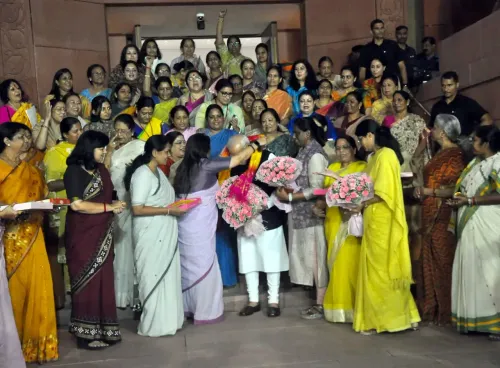
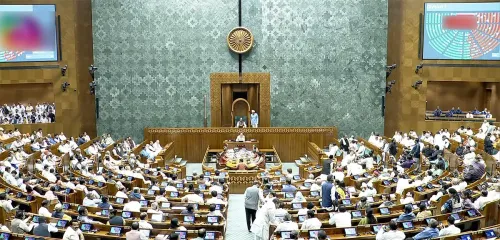
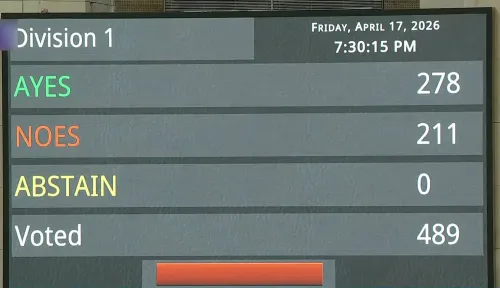
Most recently, the 106th Constitutional Amendment (2023) reserved one-third of seats for women in the Lok Sabha and State Assemblies, marking a historic shift in legislative representation.
Education and Health Gains
Female literacy has climbed sharply over three decades. Women's literacy stood at approximately 39 per cent in the 1991 Census, rising to 65.5 per cent by the 2011 Census. Government programmes including Sarva Shiksha Abhiyan, Kasturba Gandhi Balika Vidyalayas, and the Beti Bachao Beti Padhao (BBBP) scheme have driven improvements in enrolment and retention, according to the India Narrative piece.
Health outcomes have also improved markedly. The Maternal Mortality Ratio (MMR) fell from approximately 508 per 1,00,000 live births in 1990 to about 103 in 2020, with recent estimates placing it between 80 and 90.
Financial Inclusion and Economic Participation
Initiatives such as Pradhan Mantri Jan Dhan Yojana, direct benefit transfers, and Mudra Yojana have expanded women's access to formal finance. The National Family Health Survey found that 77.4 per cent of women now operate their own bank or savings accounts, and 43.3 per cent own a house or land — either alone or jointly.
Persistent Challenges
Despite the progress, Malik's analysis notes that patriarchal norms, regional disparities, and safety concerns continue to constrain women's advancement. The shift, as she frames it, has been 'from welfare to empowerment' — with women increasingly visible as entrepreneurs, professionals, and decision-makers — but the pace remains uneven across states and communities.
Effective implementation of the Women's Reservation Act, sustained investment in skilling and safety infrastructure, and deeper cultural change are identified as the critical levers for the next phase of progress, as India works toward its goal of becoming a developed nation.
Point of View
And the numbers on literacy, MMR, and financial inclusion show genuine movement — yet the 106th Amendment's seat reservation remains unimplemented in practice, and state-level disparities mean a woman in Bihar and a woman in Kerala inhabit vastly different realities. The shift from welfare to empowerment rhetoric is welcome, but rhetoric and resource allocation are not the same thing. The true test of the next decade will be whether the Women's Reservation Act translates into legislative power or becomes another headline number that stalls at the implementation stage.
NationPress
23 Sept 2026
Frequently Asked Questions
What constitutional provisions protect women's rights in India?
Articles 14, 15, and 16 of the Indian Constitution guarantee equality before the law, prohibit gender discrimination, and ensure equal opportunity in public employment respectively. Articles 39 and 42 further promote equal pay and maternity relief.
How many women are elected representatives at the grassroots level in India?
More than 1.4 million women now serve as elected representatives in Panchayats and Municipalities, following the mandatory one-third reservation introduced by the 73rd and 74th Constitutional Amendments.
What is the Women's Reservation Act and when was it passed?
The 106th Constitutional Amendment, passed in 2023, reserves one-third of seats for women in the Lok Sabha and State Legislative Assemblies. Its implementation is pending delimitation of constituencies.
How has female literacy changed in India since 1991?
Women's literacy in India rose from approximately 39 per cent in the 1991 Census to 65.5 per cent by the 2011 Census, driven in part by schemes such as Sarva Shiksha Abhiyan and Beti Bachao Beti Padhao.
What progress has India made on maternal mortality?
India's Maternal Mortality Ratio fell sharply from around 508 per 1,00,000 live births in 1990 to approximately 103 in 2020, with recent estimates placing it between 80 and 90 — a significant decline attributed to improved healthcare access and government health schemes.