Iran Greenlights Ship Transit for Essential Goods via Hormuz
Synopsis
In a significant move, Iran has authorized the passage of ships carrying crucial humanitarian goods through the Strait of Hormuz. This decision comes amidst escalating tensions in the region and may impact global oil prices and supply chains.
Key Takeaways
Iran has authorized ship transit for essential goods.
Humanitarian supplies are prioritized amidst regional tensions.
Oil prices have seen significant fluctuations due to the conflict.
Approximately 20,000 seafarers are stranded in Hormuz.
International shipping routes remain heavily impacted by geopolitical events.
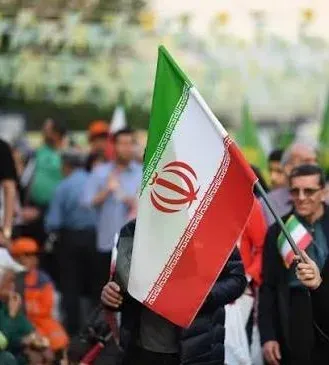
Tehran, April 4 (NationPress) Iran has given the green light for the transit of vessels transporting essential and humanitarian items through the Strait of Hormuz to its ports, as reported by the semi-official Tasnim news agency on Saturday.
The report referenced a letter, dated March 1, addressed to Iran's Ports and Maritime Organisation (PMO) from Hooman Fathi, Iran's Deputy Agriculture Minister, indicating that the Iranian government and its armed forces have sanctioned the transit of these vessels.
The correspondence urged the PMO to permit the entry of ships bound for Iranian ports or currently located in the Gulf of Oman that are carrying humanitarian supplies, particularly vital goods and livestock provisions, in accordance with established protocols.
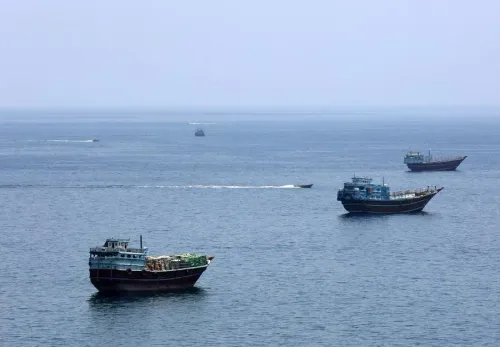
Furthermore, it stated that a list of the vessels will be compiled for additional coordination, as reported by Xinhua news agency. Historically, Hormuz has witnessed the passage of around 130 ships daily, but currently, there are approximately 20,000 seafarers stranded on 2,000 vessels in its waters, according to the International Maritime Organisation.
On February 28, Israel and the United States launched coordinated strikes on Tehran and various Iranian cities, resulting in the death of Iran's then Supreme Leader Ali Khamenei, alongside numerous senior officials and civilians.
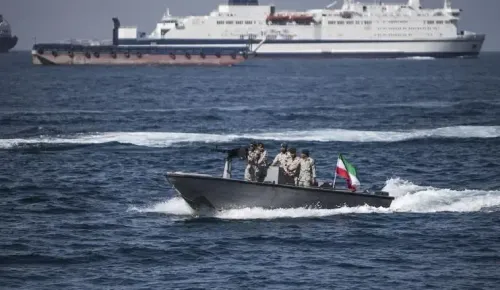
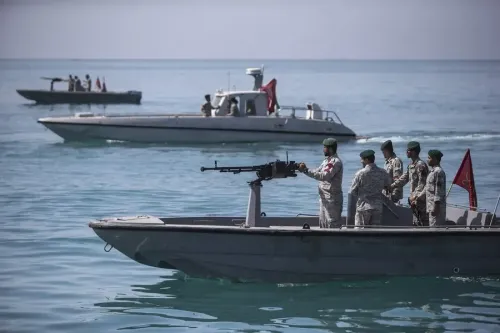
In retaliation, Iran executed multiple missile and drone assaults targeting Israeli and US installations in the Middle East while maintaining strict oversight of the Strait of Hormuz.
Lloyd's List Intelligence, a maritime data and analytics firm, revealed that merely 292 vessels transited the strait between February 28 and March 31, with 71 percent being owned or affiliated with Iranian interests.
This week, oil prices surged as investors contemplated how the ongoing Middle East conflict might disrupt crude oil transportation via the strait, as reported by CNBC.
As a result, June futures for the international benchmark Brent crude increased by over six percent, reaching 107.35 US dollars per barrel.
Beginning April 17, Amazon will implement a 3.5 percent fuel and logistics surcharge on fulfillment fees for sellers in the United States and Canada.
Nobel Laureate in Economic Sciences Paul Krugman emphasized this week that escalating costs could significantly impact American consumers, leading to higher prices for food and daily necessities.
Additionally, Germany's federal government noted that petrol prices in the country have been fluctuating as much as 22 times daily due to the ongoing conflict and disruptions in oil supplies.
About 16 percent of fuel stations in France are experiencing shortages, attributed to panic buying and price hikes related to the war with Iran, reported The Connexion, France's leading English-language media outlet.
Point of View
The authorization for ships to pass through the Strait of Hormuz signifies a critical step in facilitating humanitarian aid amid ongoing regional tensions. It highlights Iran's commitment to ensuring the flow of essential goods while navigating complex geopolitical challenges.
NationPress
17 Oct 2026
Frequently Asked Questions
What goods are being allowed through the Strait of Hormuz?
Iran has authorized the transit of ships carrying essential and humanitarian goods, including vital supplies and livestock inputs.
How has the conflict affected shipping in the region?
The ongoing conflict has resulted in approximately 20,000 seafarers being stranded on 2,000 vessels in the Strait of Hormuz.
What has been the impact on oil prices?
Oil prices have surged, with Brent crude futures rising over six percent, reflecting investor concerns about supply disruptions in the Middle East.
What is the current status of shipping traffic in the Strait of Hormuz?
Only 292 vessels transited the strait between February 28 and March 31, a significant reduction from the historical average.
What are the broader implications of this decision?
This authorization may alleviate some humanitarian concerns while also influencing global oil supply and market stability.