Trump: Iran's frozen funds to pay for Strait of Hormuz ship damage
Synopsis
Trump has announced that frozen Iranian assets under US control — not American taxpayer money — will compensate shipping companies for Strait of Hormuz damage. With US-Iran talks described as active but breakable, and the world's most critical oil chokepoint in the balance, the financial and geopolitical stakes of this conflict are far from settled.
Key Takeaways
President Donald Trump on 28 July said Iranian funds controlled by Washington will be used to pay shipping companies for damage in the Strait of Hormuz .
Trump explicitly ruled out using US government funds: 'We're going to use Iran's money to pay for the damage they did.' Key details — total Iranian assets available, eligible companies, and distribution mechanism — remain unspecified.
Trump said the Strait of Hormuz is now in 'very good shape' following US military operations against Iran.
Active US-Iran negotiations are under way, with Trump warning that military action could resume if no deal is reached.
Trump drew a parallel with Venezuela , claiming funds from Caracas had already covered US operational costs.
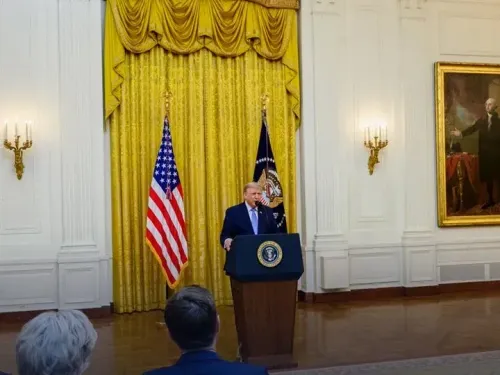
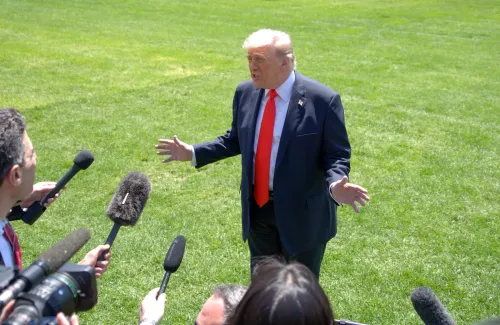
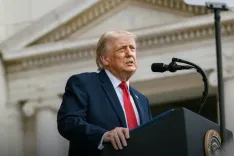
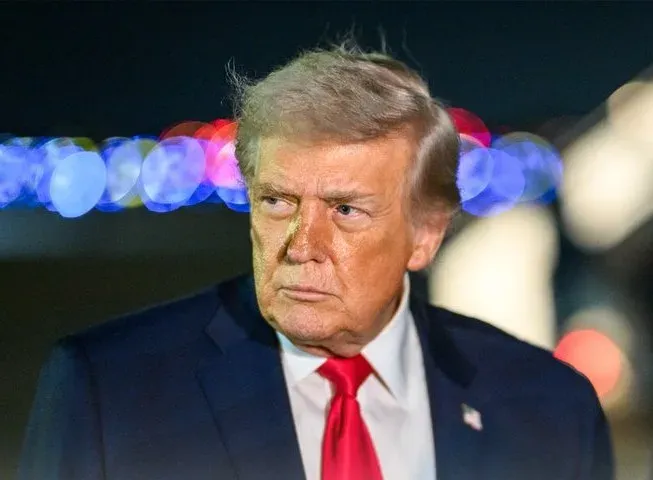
US President Donald Trump on Monday, 28 July said that Iranian funds held under Washington's control will be used to compensate shipping companies for damage sustained in the Strait of Hormuz during the recent conflict. The announcement, made aboard Air Force One while speaking to reporters, rules out any direct US government outlay for the claims.
What Trump Said
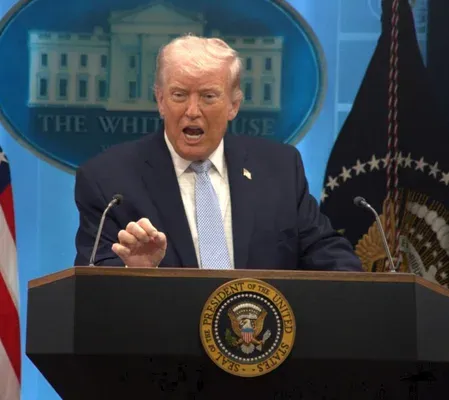
Trump was unequivocal when asked whether Washington would reimburse shipping companies from its own budget. 'No. No. We're going to use Iran's money to pay for the damage they did,' he said. He elaborated: 'Iran money that we control will be used to pay for damages. Sound good? Not bad, right? You should be rewarded.'
The president did not specify the total quantum of Iranian assets under US control, which shipping companies would qualify for compensation, or the mechanism through which payments would be distributed — leaving significant operational details unresolved.
Strait of Hormuz: Current Situation
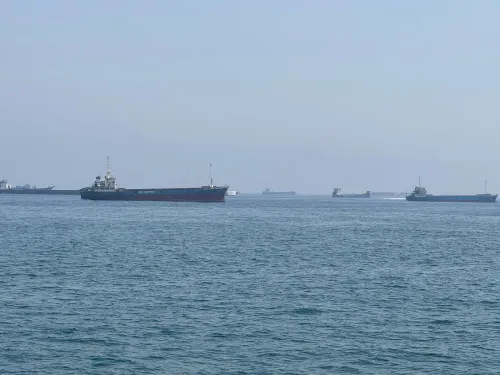
Trump described conditions in the Strait of Hormuz as significantly improved following US military operations against Iran. 'Their whole shoreline is wiped out. The strait is in very good shape now, and we're talking right now,' he said. The strait is one of the world's most critical energy chokepoints, linking the Persian Gulf with the Gulf of Oman and the Arabian Sea, and serves as a primary export corridor for oil and liquefied natural gas from Gulf producers to global markets — including major energy-importing nations such as India.
Ongoing Negotiations With Tehran
Trump indicated that Washington and Tehran are currently engaged in talks, with Iran reportedly having sought a pause in hostilities as negotiations proceed. He suggested the US could resume military action if no agreement is reached. 'I think there's a good chance that something could happen. And if it does, good. If it doesn't, we go back to doing what we were doing two days ago,' he said.
According to Trump, Iran approached Washington through both intermediaries and direct communication after coming under sustained US military pressure. 'They want to meet and we're meeting. We'll see what happens. There's a chance we could make a deal. Without what we did, they wouldn't even be talking to us,' he added.
The Venezuela Parallel
Trump drew a comparison between his administration's approach to Iran and its earlier dealings with Venezuela, claiming that funds received from Caracas had covered Washington's operational costs. 'We paid for that war many times over, and that will happen with Iran also,' he said. He noted that Venezuelan funds were being used for general government expenditure and could be directed toward the military with congressional approval — suggesting a similar framework could apply to Iranian assets.
What Remains Unclear
Critical questions remain unanswered: the exact volume of Iranian assets under US jurisdiction, the legal framework for disbursing them to private shipping firms, and the timeline for any compensation. Analysts note that the use of seized sovereign assets to pay third-party claimants involves complex international legal precedents. With US-Iran talks described as active but fragile, the situation in the Strait of Hormuz — and its impact on global energy supply chains — remains closely watched.
Point of View
Not unilateral asset seizure for private disbursement. More significantly, Trump's framing — 'we paid for that war many times over' — signals a self-financing war doctrine that mainstream coverage has underplayed. If this logic holds, it reshapes how Washington calculates the cost-benefit of future military interventions.
NationPress
28 Jul 2026
Frequently Asked Questions
Why is Trump using Iranian funds to pay for Strait of Hormuz ship damage?
Trump has said the US will use Iranian assets it controls to compensate shipping companies damaged during the Strait of Hormuz conflict, rejecting any use of US government funds. His position is that Iran caused the damage and should therefore bear the cost through its frozen assets.
Which shipping companies will receive compensation?
Trump did not specify which shipping companies would qualify for compensation or how payments would be distributed. The criteria and mechanism for disbursement have not been publicly detailed by the administration.
What is the current status of US-Iran talks?
According to Trump, Washington and Tehran are actively engaged in negotiations as of 28 July, with Iran reportedly having requested a pause in hostilities. Trump warned that the US could resume military operations if no agreement is reached.
Why is the Strait of Hormuz strategically important?
The Strait of Hormuz links the Persian Gulf with the Gulf of Oman and the Arabian Sea, making it the primary export route for oil and liquefied natural gas from Gulf producers. Any disruption directly affects global energy supply, including imports by major consumers such as India.
How does Trump compare the Iran situation to Venezuela?
Trump claimed that funds received from Venezuela had already covered US operational costs there, and predicted a similar financial outcome with Iran. He suggested Iranian assets could be used both for compensation and broader government expenditure, subject to congressional approval for military use.