Iran: oil tanker on fire after hitting mines near Hormuz
Synopsis
Iran's Army navy said a violating oil tanker caught fire after hitting naval mines east of the Strait of Hormuz, after switching off tracking systems. The IRGC separately reported an LNG carrier and two more oil tankers exploding on mines the same day, as Tehran enforces a ban on US- and Israel-linked shipping imposed on 28 February.
Key Takeaways
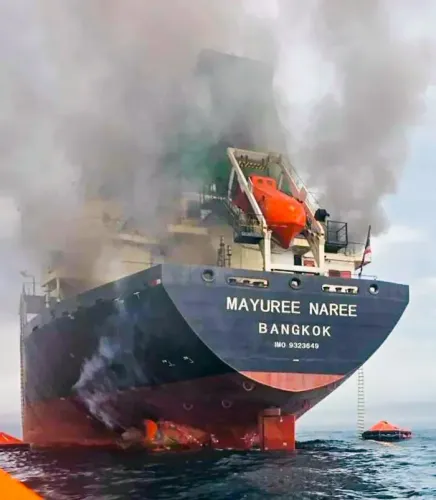
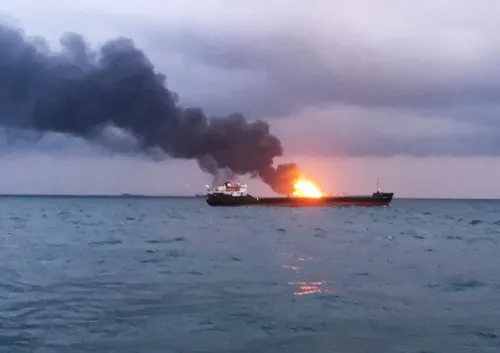
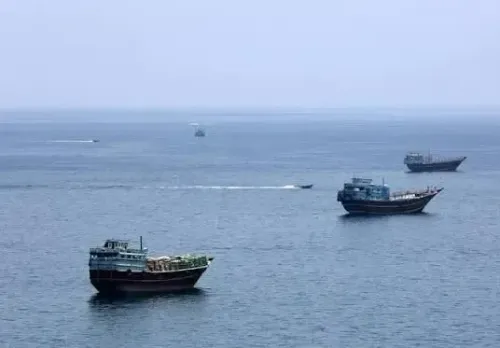
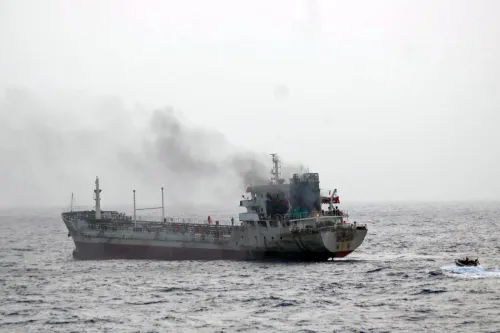
Iran's Army navy said on Wednesday that a “violating” oil tanker caught fire after colliding with naval mines east of the Strait of Hormuz .
The vessel had switched off identification and navigation systems before entering a restricted zone, according to the Iranian navy's website.
The IRGC Navy separately said an LNG carrier exploded and caught fire after striking mines, after deactivating GPS tracking.
Earlier on Wednesday the IRGC reported two other oil tankers exploding after hitting mines east of Hormuz and off the southern coast.
Iran tightened transit rules on 28 February , barring safe passage to vessels linked to Israel and the United States .
Operators and owners will bear full responsibility for violating Iranian maritime regulations, the navy said.
Iran's Army navy on Wednesday, 25 November said a “violating” oil tanker caught fire and was brought to a standstill after colliding with naval mines east of the Strait of Hormuz. The Iranian military said the vessel had switched off its identification and navigation systems before entering a restricted zone east of the strategic waterway in the hours before the blast. The explosion ignited a fire on board and halted the tanker's movement, prompting Tehran to warn commercial operators to follow maritime instructions in the corridor.
Key Developments
According to a statement posted on the Iranian navy's official website, the unnamed tanker entered a restricted area east of the Strait of Hormuz after disabling tracking systems. The resulting blast set the ship ablaze and left it stationary. The navy stressed that commercial vessels must strictly comply with navigation instructions and safety warnings issued for the waterway.
The force added that vessel operators and owners will bear full responsibility for any consequences arising from the violation of Iranian maritime regulations in the corridor. No independent confirmation of the tanker's name, flag, cargo volume, or crew status was provided in the Iranian statements.
IRGC Reports Additional Blasts
In a separate statement issued on Wednesday evening, the naval force of Iran's Islamic Revolution Guard Corps (IRGC) said another “violating” vessel, carrying liquefied natural gas (LNG), exploded and caught fire after striking naval mines. The IRGC said the LNG carrier had deactivated its GPS tracking systems before the incident.
Earlier the same day, the IRGC Navy reported similar incidents involving two other “violating” oil tankers that exploded and caught fire after hitting naval mines east of the Strait of Hormuz and off the waterway's southern coast. Taken together, Iranian military branches described four separate mine-strike incidents involving three oil tankers and one LNG carrier on Wednesday.
Restrictions Since 28 February
Tehran significantly tightened security and transit restrictions across the crucial oil shipping chokepoint on 28 February, barring safe passage to any vessels belonging to or affiliated with Israel and the United States. Iranian authorities framed the measures as retaliation for joint military strikes carried out against Iranian territory.
The latest statements sit against that backdrop. Iranian forces characterised the stricken ships as “violating” vessels that had switched off identification, navigation, or GPS systems before entering restricted waters. The navy's public message was aimed as much at remaining commercial traffic as at the incidents themselves: comply with Iranian rules, or operators will be held fully responsible.
Why the Waterway Matters
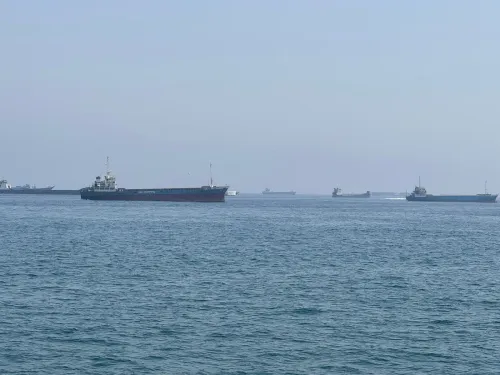
The Strait of Hormuz is a narrow passage linking the Persian Gulf to the Gulf of Oman and the Arabian Sea, and is treated as a crucial oil shipping chokepoint. Any disruption — mines, fires, or a halt to traffic — can rattle energy markets and raise insurance and routing costs for tankers serving Asia, including India.
This comes amid a sharper militarisation of the corridor since late February, when Iran said it would deny safe passage to US- and Israel-linked shipping. Notably, Wednesday's reports did not name the ships, their flags, or whether crews were evacuated. Independent satellite, AIS, or shipping-industry verification was not cited in the Iranian announcements.
What Happens Next
Iranian naval statements indicated that responsibility for further incidents will rest with owners and operators who ignore designated routes and safety warnings. Commercial traffic through the strait typically continues under heightened caution when mines are reported, though no operational details on salvage, firefighting, or crew welfare were released by Tehran on Wednesday.
Regional governments and energy importers will watch whether additional vessels are reported hit, whether Iran publishes coordinates of the restricted zone, and whether any flagged-state or shipping association disputes the “violating” characterisation. For now, the only on-record account is from Iran's Army navy and the IRGC Navy.
Point of View
Including Indian, refineries. Tehran's characterisation of the ships as violating vessels that went dark on AIS and GPS may be consistent with its 28 February ban on US- and Israel-linked traffic, but laying naval mines in or near a civilian chokepoint is escalation that markets and navies read as coercion. India has a stake in keeping the strait open regardless of who is at fault in any single incident. The gap coverage should not skip is verification: names, flags, and independent AIS data are still missing from Iran's account, and without them the world is being asked to accept a military narrative at a moment when misattribution could widen the conflict.
NationPress
25 Nov 2026
Frequently Asked Questions
What happened to the oil tanker near the Strait of Hormuz?
Iran's Army navy said a violating oil tanker caught fire and was brought to a standstill after colliding with naval mines east of the Strait of Hormuz. The navy said the vessel had switched off identification and navigation systems before entering a restricted zone.
How many vessels did Iran say were hit by naval mines?
Iranian military branches described four incidents on Wednesday: one oil tanker reported by the Army navy, one LNG carrier reported by the IRGC in the evening, and two other oil tankers reported earlier by the IRGC Navy. All were characterised as violating vessels that had disabled tracking systems.
Why has Iran restricted shipping in the Strait of Hormuz?
Tehran tightened security and transit restrictions on 28 February, barring safe passage to vessels belonging to or affiliated with Israel and the United States. Iranian authorities said the measures were in retaliation for joint military strikes carried out against Iranian territory.
What happens if ships ignore Iranian maritime rules in the strait?
Iran's navy said vessel operators and owners will bear full responsibility for any consequences arising from the violation of Iranian maritime regulations in the corridor. It urged commercial vessels to strictly comply with navigation instructions and safety warnings.
Why does the Strait of Hormuz matter for oil markets?
The Strait of Hormuz is a crucial oil shipping chokepoint linking the Persian Gulf to the Gulf of Oman and the Arabian Sea. Mine strikes, fires, or closures there can disrupt tanker traffic serving Asian importers, including India, and raise insurance and routing costs.