Iran says Darkhovin nuclear plant hit by US projectiles in Khuzestan
Synopsis
The US-Iran conflict crossed a critical threshold on 19 July: American projectiles struck Iran's Darkhovin nuclear power plant under construction in Khuzestan, while Iran retaliated with drone strikes on US bases in Kuwait — expanding the battlefield to a third country. With the US on its eighth round of strikes and Iran asserting control over the Strait of Hormuz, the confrontation is no longer a skirmish.
Key Takeaways
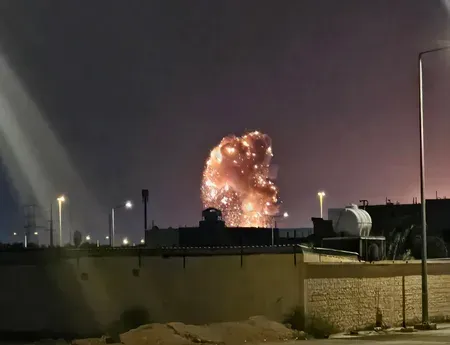
The Darkhovin nuclear power plant construction site in Khuzestan, Iran was struck by US projectiles at 3:39 a.m. local time on 19 July , according to the AEOI .
The AEOI called the attack 'an aggressive and brutal action' violating international law; no casualty or damage figures were released.
The IRGC Navy claimed it stopped two vessels and turned back two others attempting to cross the Strait of Hormuz through an unauthorised route, allegedly with US backing.
US Central Command confirmed completing its eighth round of strikes against Iranian military targets, with over 50,000 US troops on heightened alert in the Middle East.
The Iranian Army launched drone attacks on Al-Adiri Camp and Ali Al Salem Air Base in Kuwait , marking a geographic expansion of the conflict.
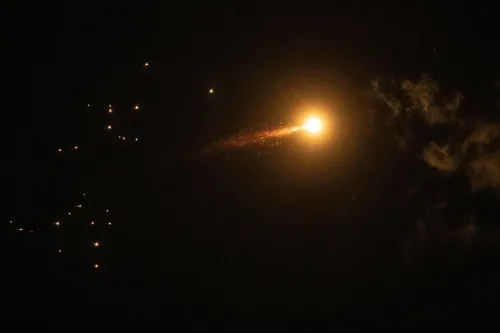
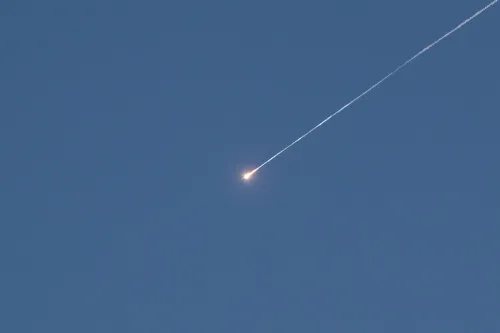
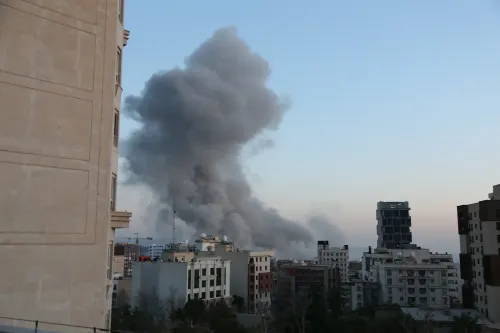
A construction site at the Darkhovin nuclear power plant in Khuzestan province, southwestern Iran, was struck by US projectiles on Sunday, 19 July, the Atomic Energy Organisation of Iran (AEOI) announced. The attack occurred at 3:39 a.m. local time (00:09 GMT), according to a statement published on the AEOI's official website.
The organisation condemned the strike as 'an aggressive and brutal action' that it said violates Iran's national sovereignty and international law. No details on casualties or material damage were disclosed in the statement.
What the AEOI Said
The AEOI's statement did not specify the nature or number of projectiles used, nor did it provide an immediate damage assessment. The organisation's characterisation of the strike as a violation of international law signals Tehran's intent to escalate diplomatic pressure, even as the military situation on the ground remains fluid.
The Darkhovin site, located along the Karun River in Khuzestan, has been under construction for decades and is one of Iran's most significant civilian nuclear infrastructure projects. An attack on it marks a significant escalation in the ongoing US-Iran military confrontation.
Strait of Hormuz Tensions
Separately on Sunday, the Navy of Iran's Islamic Revolutionary Guard Corps (IRGC) said it intercepted four vessels it described as 'violating' ships that attempted to cross the Strait of Hormuz through an unauthorised route with what it alleged was US support. According to a statement on the IRGC's official outlet Sepah News, the vessels ignored warnings and switched off their navigation systems.
Two of the ships reportedly 'had an accident' and were stopped; the remaining two were turned back. The IRGC navy asserted that the strait is under its full control and that no oil, gas, or chemical fertiliser may transit the waterway without Iranian coordination and permission — a claim that, if enforced, would have sweeping consequences for global energy markets.
US Strikes and Regional Posture
On Saturday, US Central Command said American forces had completed the eighth round of strikes against Iranian military coastal surveillance and air defence facilities, maritime assets, and missile and drone storage sites. More than 50,000 US troops in the Middle East were described as remaining 'highly vigilant.'
This is the latest in a rapidly escalating series of exchanges between Washington and Tehran, with each round of US strikes drawing a stated Iranian military response. The frequency — eight rounds in a compressed timeframe — suggests the conflict has moved well beyond isolated incidents into a sustained campaign.
Iran Strikes US Bases in Kuwait
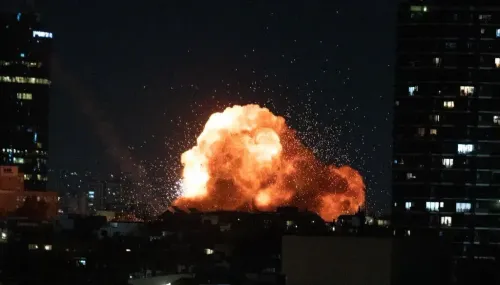
Also on Sunday, the Iranian Army announced it had targeted US bases in Kuwait in retaliation for what it called American 'aggressions' against Iran and attacks on civilian infrastructure including bridges. According to statements on the army's website, Iranian forces launched two rounds of drone attacks against the Al-Adiri Camp and the Ali Al Salem Air Base in Kuwait.
The strikes on Kuwaiti soil — home to significant US military assets — represent a geographic expansion of the conflict and could draw additional Gulf states into an already volatile situation.
What Comes Next
With Iran striking US positions in a third country and the US targeting Iranian nuclear infrastructure, the conflict is entering territory with few recent precedents. The international community, including the United Nations and regional powers, faces growing pressure to intervene diplomatically before the situation spirals further. The status of the Darkhovin plant and any damage to its reactor construction will be closely watched by nuclear watchdog the International Atomic Energy Agency (IAEA).
Point of View
Even a civilian one, crosses a threshold that most conflict frameworks treat as categorically distinct. What is striking by omission is the AEOI's silence on casualties and damage: either the impact was limited, or Tehran is managing information to control the narrative. Meanwhile, Iran's drone strikes on Kuwait pull a Gulf state into the conflict for the first time, a move that could fracture the regional consensus Washington depends on. The Strait of Hormuz posture — with Iran claiming sole authority over transit — is the thread that ties everything together: if enforced, it is a choke on roughly 20% of global oil supply, and no diplomatic framework currently exists to de-escalate that specific pressure point.
NationPress
18 Oct 2026
Frequently Asked Questions
What happened at the Darkhovin nuclear power plant in Iran?
The construction site of the Darkhovin nuclear power plant in Khuzestan province, southwestern Iran, was struck by US projectiles on 19 July at 3:39 a.m. local time, according to the Atomic Energy Organisation of Iran (AEOI). The AEOI condemned the strike as a violation of Iran's sovereignty and international law but did not disclose casualty or damage figures.
Why is the Darkhovin nuclear plant significant?
Darkhovin is one of Iran's major civilian nuclear infrastructure projects, located along the Karun River in Khuzestan province. An attack on it marks a significant escalation because it targets nuclear infrastructure, a category of strike with distinct legal and geopolitical implications under international law.
What did Iran do in retaliation?
The Iranian Army announced drone strikes against two US military installations in Kuwait — the Al-Adiri Camp and the Ali Al Salem Air Base — on Sunday, 19 July, citing retaliation for US attacks on Iran and its civilian infrastructure. This marks a geographic expansion of the conflict beyond Iranian and US territory.
What is the situation at the Strait of Hormuz?
Iran's IRGC Navy claimed on Sunday that it intercepted four vessels attempting to cross the Strait of Hormuz through an unauthorised route with alleged US support, stopping two and turning back two others. The IRGC asserted full control over the strait and said no energy cargo may transit without Iranian permission — a posture with major implications for global oil markets.
How many times has the US struck Iranian targets?
US Central Command confirmed on Saturday that American forces had completed eight rounds of strikes against Iranian military targets, including coastal surveillance and air defence facilities, maritime assets, and missile and drone storage sites. More than 50,000 US troops in the Middle East were described as remaining highly vigilant.