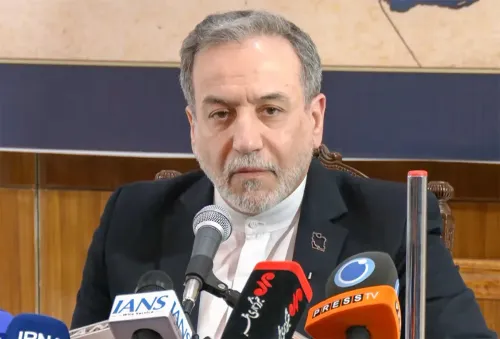
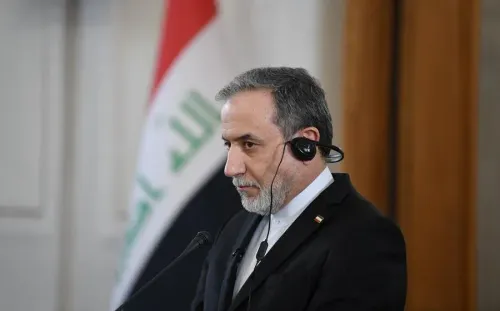
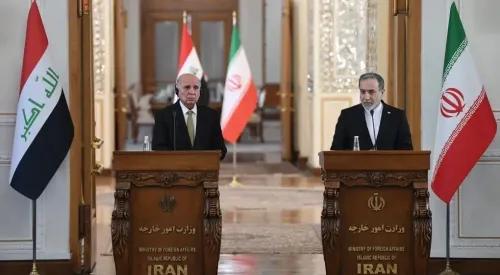
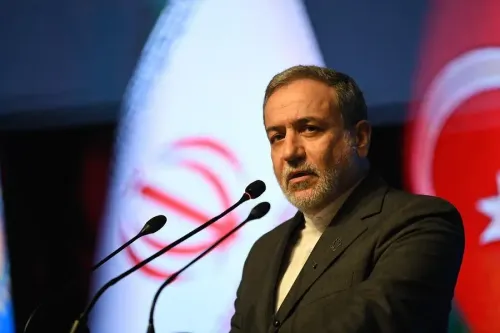
Iran FM Araghchi warns US against 'adventurous' actions amid fresh airstrikes
Synopsis
Iran's top diplomat has simultaneously warned the US, cautioned Britain on military cooperation, and accused Washington of wrecking a mid-June peace deal — all in a single day. With airstrikes resumed and regional powers scrambling to mediate, Tehran is signalling it will fight on multiple fronts: military, diplomatic, and legal.
Key Takeaways
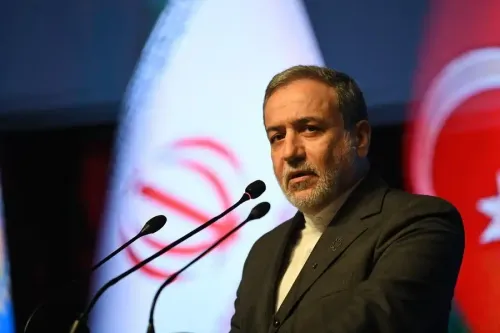
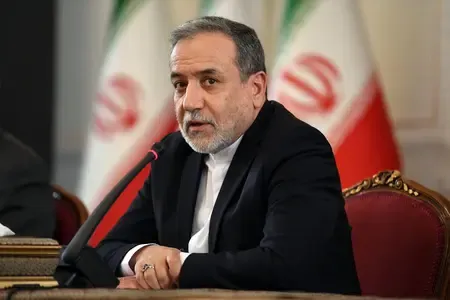
Iranian FM Seyed Abbas Araghchi warned the US against 'adventurous' actions on 2 August , saying those responsible would bear the consequences.
Araghchi held separate calls with Pakistan's Army Chief General Asim Munir , Turkish FM Hakan Fidan , and Saudi FM Prince Faisal bin Farhan Al Saud to discuss regional developments.
Iran warned that any US or Israeli hostile action, and any regional support for it, would draw a 'firm, proportionate response' from Iran's armed forces .
Iran's Foreign Ministry accused the US of violating a peace memorandum of understanding reached in mid-June , citing continued strikes, port blockades, and economic pressure.
Araghchi separately warned British FM Ed Miliband on 1 August that military cooperation with the US would be 'unacceptable.' Renewed US-Iran airstrikes followed a brief pause; earlier US strikes were framed as responses to Iranian attacks on vessels in the Strait of Hormuz .
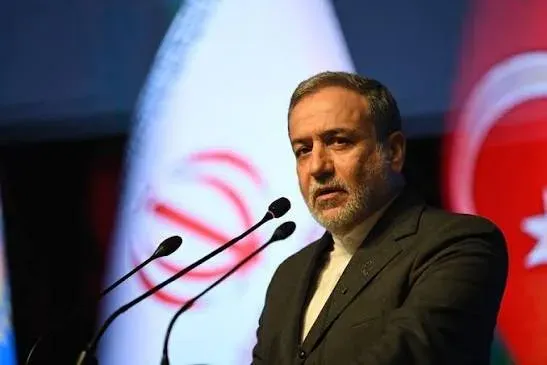
Iranian Foreign Minister Seyed Abbas Araghchi on Saturday, 2 August issued a sharp warning to the United States against taking any 'adventurous' actions, cautioning that those responsible would bear the full consequences. The remarks came as Tehran and Washington exchanged renewed airstrikes following a brief pause in hostilities, deepening one of the most volatile flashpoints in the Middle East in recent months.
Key Diplomatic Conversations
Araghchi conveyed the warning during separate phone calls with Pakistan's Chief of Army Staff General Asim Munir, Turkish Foreign Minister Hakan Fidan, and Saudi Foreign Minister Prince Faisal bin Farhan Al Saud. According to Iran's semi-official Mehr News Agency, the conversations centred on the latest regional developments and Iran's security posture.
In his exchanges with Munir and Fidan, Araghchi stated that Iran was 'fully prepared to safeguard its national sovereignty, territorial integrity and national security' and would 'respond decisively to any act of aggression,' according to reports.
Warning Extended to Saudi Arabia and Britain
In his call with the Saudi foreign minister, Araghchi went further, warning that any hostile action by the US or Israel — and any regional support for such action — would draw a 'firm, proportionate response' from Iran's armed forces.
Araghchi had separately warned Britain against military cooperation with the United States during a phone call with British Foreign Secretary Ed Miliband on Friday, 1 August. He stressed that any cooperation with 'aggressors,' including under the pretext of existing defence agreements, would be 'unacceptable,' according to a statement issued by the Iranian Foreign Ministry.
Iran Accuses US of Violating June Peace Accord
Also on Saturday, Iran's Foreign Ministry formally accused the United States of violating a peace memorandum of understanding the two sides had reached in mid-June. Tehran cited continued US strikes on Iranian targets, a blockade on Iranian ports and commercial shipping, and escalating economic pressure as evidence of the breach.
In a formal statement, the ministry vowed to 'continue to resist US unlawful aggression' and to 'firmly defend its national dignity and independence.' The language signals that Tehran does not consider the diplomatic track closed, even as military exchanges continue.
Background: Airstrikes and the Strait of Hormuz
The renewed confrontation follows multiple waves of US strikes against Iranian targets prior to the brief pause. Washington said those strikes were in response to Iranian attacks on vessels in the Strait of Hormuz and were aimed at 'degrading Iran's ability to threaten commercial shipping.' Iran has disputed this framing and characterised the strikes as unlawful aggression.
Notably, this is not the first time the two sides have accused each other of violating agreed pauses — a pattern that has complicated diplomatic efforts to de-escalate. The involvement of Pakistan, Turkey, and Saudi Arabia in back-channel outreach suggests regional powers are actively seeking to prevent a wider conflagration.
What Comes Next
With the mid-June memorandum now contested and airstrikes resumed, the diplomatic window appears narrow. Regional interlocutors including Riyadh and Ankara are reportedly pressing both sides to return to talks. The situation in the Strait of Hormuz — a critical chokepoint for global energy shipments — remains a key variable for international markets and regional stability.
Point of View
Ankara, and Islamabad is not incidental — it is a deliberate effort to build a regional coalition of restraint that complicates any US or Israeli escalation calculus. The accusation that Washington violated the mid-June memorandum is also a legal and narrative move: it repositions Iran as the aggrieved party in any future international forum. What mainstream coverage underplays is the Britain warning — London's role in any expanded operation would significantly alter the conflict's legitimacy optics in Europe. The Strait of Hormuz dimension remains the most consequential thread: every escalation there carries a direct price-shock risk for global oil markets, including India's import bill.
NationPress
2 Aug 2026
Frequently Asked Questions
What did Iranian FM Araghchi warn the US about?
Araghchi warned the United States against taking any 'adventurous' actions, stating that those responsible would bear the full consequences. The warning was delivered on 2 August during phone calls with Pakistani, Turkish, and Saudi counterparts.
Why is Iran accusing the US of violating a peace agreement?
Iran's Foreign Ministry accused the US of breaching a peace memorandum of understanding reached in mid-June, citing continued American strikes on Iranian targets, a blockade on Iranian ports and commercial shipping, and intensified economic pressure. Tehran vowed to resist what it called 'unlawful aggression.'
What warning did Iran issue to Britain?
Iranian FM Araghchi warned British Foreign Secretary Ed Miliband on 1 August that any British military cooperation with the United States — including under existing defence agreements — would be 'unacceptable.' The warning was confirmed in an Iranian Foreign Ministry statement.
What triggered the latest round of US-Iran airstrikes?
The United States launched multiple waves of strikes against Iranian targets, saying they were in response to Iranian attacks on vessels in the Strait of Hormuz and were aimed at degrading Iran's ability to threaten commercial shipping. Iran has characterised these strikes as unlawful aggression.
Which countries are mediating between the US and Iran?
Pakistan, Turkey, and Saudi Arabia are among the regional powers engaged in back-channel diplomatic outreach. Araghchi's calls with their respective officials on 2 August indicate these countries are actively pressing both sides to de-escalate the conflict.