Iran FM slams US 'economic terrorism' as Trump threatens sweeping sanctions
Synopsis
Trump's 'Economic D-Day' declaration against Iran has drawn a blistering counter from Tehran's foreign minister, who called it economic terrorism masking Washington's own debt crisis. With a 60-day diplomatic MoU now expired and no final deal in place, the US-Iran standoff is entering a dangerous new phase — and third-country traders are squarely in the crossfire.
Key Takeaways
Iranian Foreign Minister Seyed Abbas Araghchi on 20 August called US pressure 'economic terrorism' threatening global sovereignty.
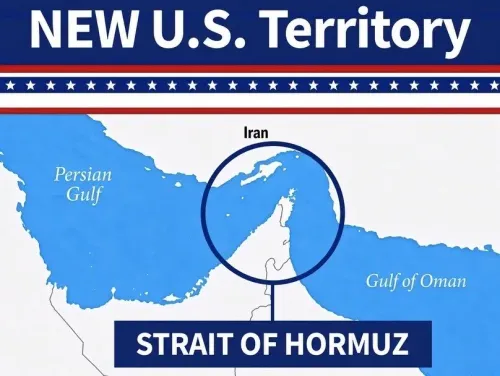
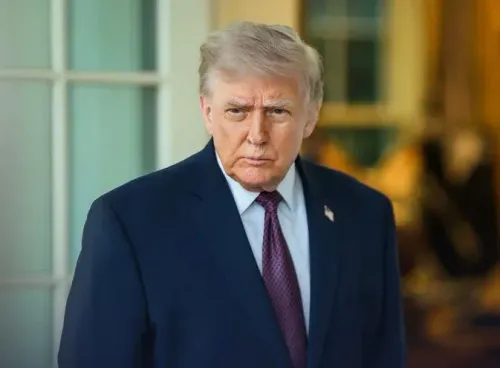
President Donald Trump announced 'the most crushing economic operation ever taken' against nations supporting Iran, labelling it an 'economic D-Day.' Trump warned of 'very Draconian sanctions' and played down the strategic importance of the Strait of Hormuz , citing US energy self-sufficiency.
A 60-day diplomatic window under a US-Iran MoU signed on 18 June expired without a final agreement, leaving talks in limbo.
Iran is already under US unilateral sanctions and a naval blockade, with the new measures set to deepen economic isolation.
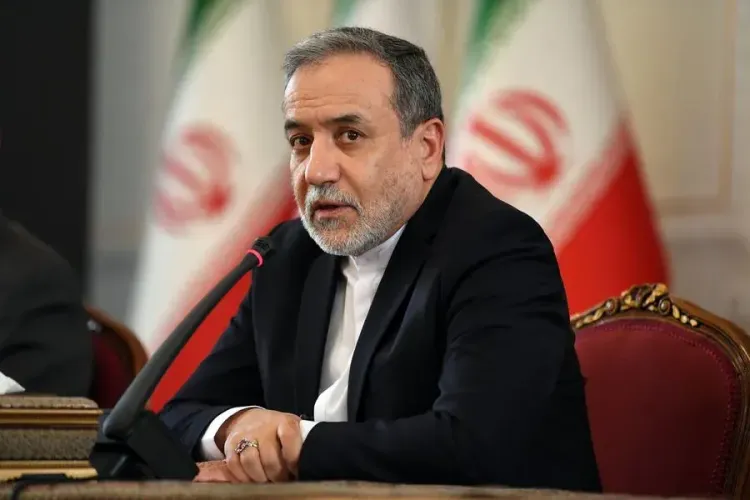
Iranian Foreign Minister Seyed Abbas Araghchi on Thursday, 20 August accused the United States of waging 'economic terrorism' against the global economy and the sovereignty of nations, responding directly to President Donald Trump's announcement of what he called 'the most crushing economic operation ever taken' against any country supporting Iran.
Trump's 'Economic D-Day' Declaration
President Trump announced the sweeping measure on Wednesday, describing it as 'Economic Warfare and Isolation on an unprecedented scale' in a post on Truth Social, branding the move an 'economic D-Day.' The announcement signals a sharp escalation in Washington's pressure campaign against Tehran, which is already operating under US unilateral sanctions and a naval blockade.
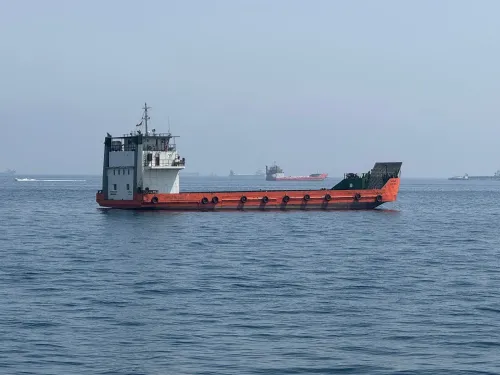
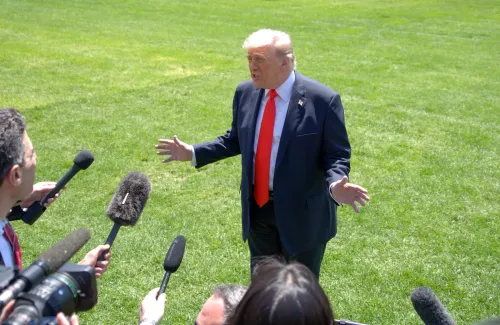
At the White House, Trump warned of 'very Draconian sanctions' when pressed on possible new measures against Iran. He added that the world's dependence on the Strait of Hormuz — the critical waterway connecting the Persian Gulf with the Arabian Sea — had diminished due to increased American energy production and alternative supply routes. 'Right now, the Strait is open; we've got a lot of boats coming through, people aren't reporting that,' Trump said, though he acknowledged flow could 'slow down a little bit at some point.'
Araghchi's Rebuttal on X
Foreign Minister Araghchi pushed back sharply in a post on X, framing Trump's declaration as a distraction from domestic troubles. He described the 'Economic D-Day' framing as 'a diversion from Washington's own crisis: unprecedented debt and surging interest costs.'
'Doubling down on failed policies will only bring further defeat — and enmity of Iranians. US economic terrorism threatens the global economy and sovereignty worldwide,' Araghchi wrote. The remarks reflect Tehran's broader posture of casting US pressure as illegitimate coercion rather than legitimate diplomacy.
Collapsed Negotiations and Escalating Tensions
The escalation follows a failed diplomatic window. On 18 June, Iran and the United States signed a memorandum of understanding (MoU) to end hostilities across all regional fronts, with both sides scheduled to conclude a final agreement within 60 days — a deadline that expired on Monday. The fate of those talks remains unclear following a sharp escalation between the two countries last month.
Notably, this is not the first time a US-Iran diplomatic framework has unravelled under pressure. The pattern echoes the collapse of the 2015 Joint Comprehensive Plan of Action (JCPOA) after Washington's 2018 withdrawal, a precedent that continues to shadow every subsequent negotiation attempt.
What Comes Next
With the 60-day MoU window closed and no final agreement in place, the diplomatic path forward is uncertain. Washington's latest economic pressure — layered on existing sanctions and a naval blockade — raises the stakes for third-party nations that trade with Tehran, who now risk secondary sanctions exposure. How Iran's key trading partners in Asia and Europe respond to the new US posture will be a critical variable in the weeks ahead.
Point of View
But the underlying policy architecture — sanctions layered on a naval blockade with secondary-sanctions exposure for third parties — is structurally coercive in ways that go beyond prior pressure campaigns. Araghchi's 'economic terrorism' counter-narrative is calibrated for a domestic audience and the Global South, where US sanctions fatigue is real. What mainstream coverage underplays is the MoU's quiet collapse: a signed framework that expired without a deal is a significant diplomatic failure for both sides, not just a pause. The Strait of Hormuz dismissal by Trump is also worth scrutiny — energy markets have not priced in a sustained disruption scenario, and any miscalculation in the Gulf could rapidly invalidate that complacency.
NationPress
20 Aug 2026
Frequently Asked Questions
What did Iran's Foreign Minister say about US sanctions?
Iranian Foreign Minister Seyed Abbas Araghchi on 20 August called US economic measures 'economic terrorism,' arguing they threaten the global economy and national sovereignty worldwide. He made the remarks in a post on X, directly responding to President Trump's 'economic D-Day' announcement.
What is Trump's 'economic D-Day' against Iran?
President Donald Trump announced on Wednesday what he described as 'the most crushing economic operation ever taken' against any country providing support to Iran, framing it as 'Economic Warfare and Isolation on an unprecedented scale.' The declaration escalates existing US sanctions and a naval blockade already in place against Tehran.
What happened to the US-Iran diplomatic talks?
On 18 June, Iran and the United States signed an MoU to end hostilities and committed to reaching a final agreement within 60 days. That deadline expired on Monday without a deal, and the fate of the negotiations remains unclear following an escalation between the two sides last month.
Is the Strait of Hormuz at risk?
President Trump said vessels were currently moving through the Strait of Hormuz without disruption, though he acknowledged flow could slow at some point. He also argued that increased US energy production and new supply routes had reduced global dependence on the waterway, downplaying its strategic significance.
Which countries could be affected by the new US economic measures?
Third-party nations that trade with Iran — particularly in Asia and Europe — face potential secondary sanctions exposure under the new US economic operation. The measures are designed to economically isolate Tehran by targeting any country providing it a financial or trade lifeline.