Iran's Pezeshkian proposes joint security pact with Muslim neighbours
Synopsis
Iran's President Pezeshkian used the Islamic Unity Conference to pitch a formal mutual non-aggression treaty among Muslim states — framing it not as a peace plea but as an offer from a nation that has 'won.' Combined with his defence of the Iran-US peace MoU, it signals Tehran is repositioning itself as a regional security architect, not just a spoiler.
Key Takeaways
Iranian President Masoud Pezeshkian proposed a mutual security and non-aggression treaty among Muslim nations on 27 August at the 40th International Conference on Islamic Unity in Tehran .
Pezeshkian said Iran's outreach comes 'not from a position of weakness, but based on its war experience.' The proposal includes commitments to respect territorial integrity and ban use of national soil or airspace against fellow Muslim states.
He also called for joint working groups on infrastructure , trade , investment , and clean energy .
Last week, Pezeshkian defended the Iran-US peace MoU signed in June , calling it 'honourable and valuable' and asserting no surrender terms were included.
The conference runs from Thursday through Sunday .
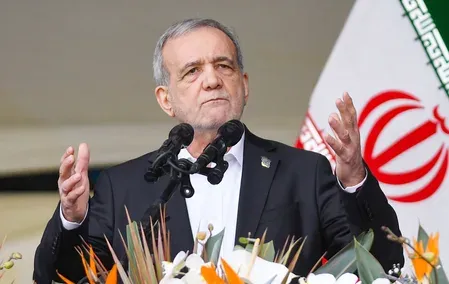
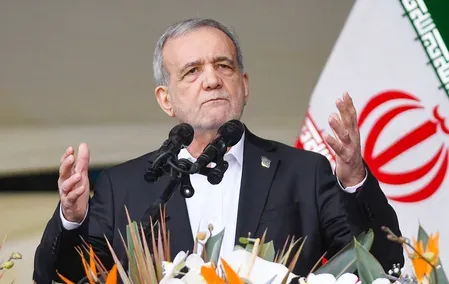
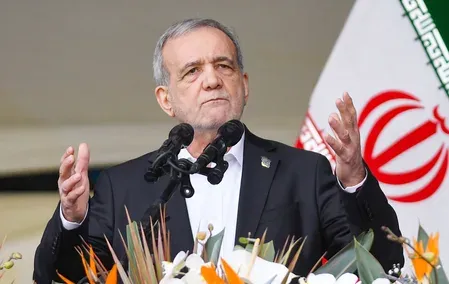
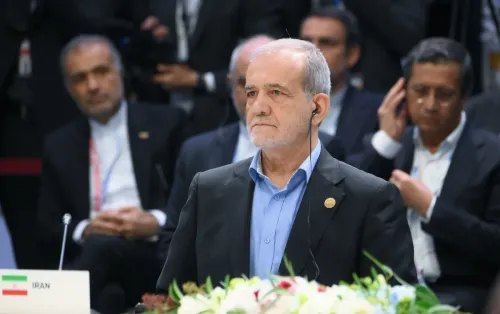
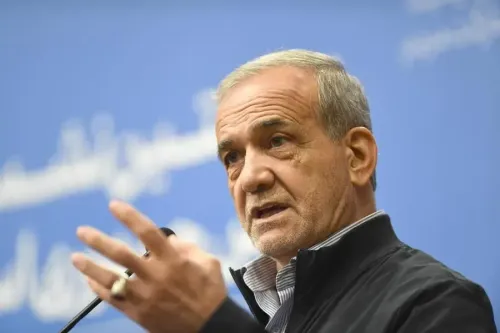
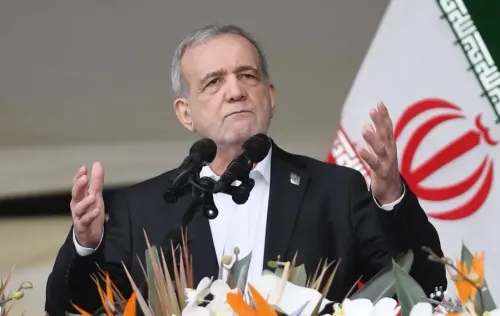
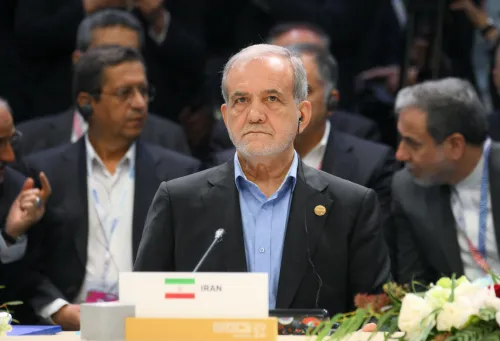
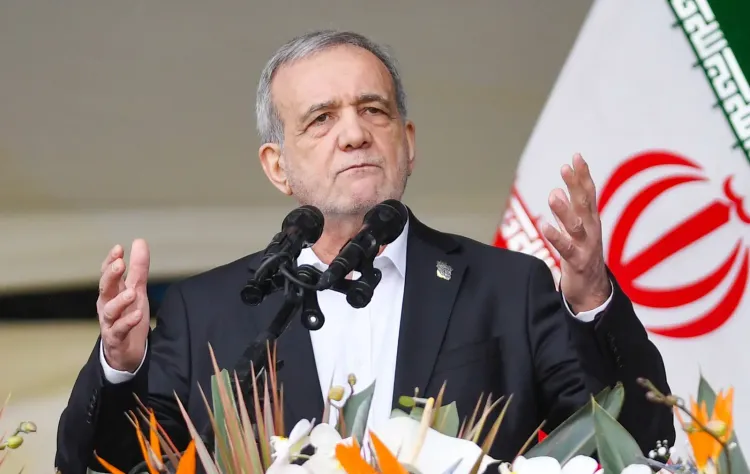
Iranian President Masoud Pezeshkian on Thursday, 27 August declared Tehran's readiness to forge joint security arrangements with neighbouring states, proposing a formal mutual non-aggression treaty among Muslim nations. The announcement came at the 40th International Conference on Islamic Unity in Tehran, signalling a notable shift in Iran's regional diplomatic posture.
What Pezeshkian Proposed
Speaking before delegates at the conference, Pezeshkian called on Muslim states to conclude a mutual security and non-aggression treaty, with commitments to respect each other's territorial integrity. He stressed that Islamic countries must refrain from using their soil, airspace, or facilities to launch or facilitate attacks against fellow Muslim states, and must not support efforts to destabilise or fragment one another.
'We know what war is, and we know that when missiles and bombs land, they do not differentiate between the dreams of an Iranian mother and an Arab mother,' Pezeshkian said, according to a statement published on the website of his office.
Iran's Position: Strength, Not Desperation
Pezeshkian was explicit that Tehran's outreach comes 'not from a position of weakness, but based on its war experience.' The framing is significant — Iran is presenting regional security cooperation as a choice made from confidence rather than compulsion, a message aimed squarely at Gulf neighbours who have historically viewed Tehran with suspicion.
The proposal also extends beyond security: Pezeshkian urged Muslim states to form joint working groups on infrastructure, trade, investment, and clean energy — areas where Iran has long sought to break out of Western-led sanctions pressure through regional alternatives.
Context: Iran-US Tensions and the June Peace MoU
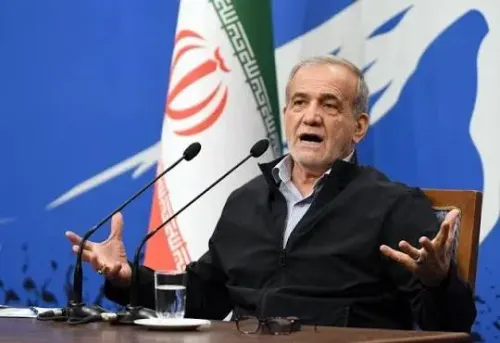
The conference address follows remarks Pezeshkian made last week at the 31st General Assembly of the Islamic Association of the Iranian Medical Society in Tehran, where he argued that ending the conflict with the United States now — while Iran stands in a position of 'power and dignity' — was strategically sound. 'It is better that we end the war today when we are in a position of power and dignity, and the entire world acknowledges our victory,' he said, according to his office's statement.
Pezeshkian described the peace memorandum of understanding (MoU) signed between Iran and the United States in June as 'honourable and valuable,' asserting that 'not a single provision of the MoU suggests surrender and that all obligations fall on the other party.'
Regional Significance
The 40th International Conference on Islamic Unity, which opened Thursday and runs through Sunday, provides Tehran with a multilateral platform to advance this agenda. This comes amid a broader recalibration across West Asia, where several Gulf states have moved to re-engage with Iran diplomatically following the China-brokered Iran-Saudi Arabia rapprochement of 2023. Pezeshkian's proposal, if formalised, could reshape the region's security architecture — though analysts note that translating conference declarations into binding treaties has historically proven difficult in the Muslim world.
Whether neighbouring states respond with concrete negotiations or polite acknowledgement will be the first real test of Tehran's renewed regional diplomacy.
Point of View
And the gap between Islamic solidarity rhetoric and actual bilateral trust remains wide, particularly with Gulf states that fund rival factions. The more consequential signal is his defence of the Iran-US MoU: by calling it 'honourable' and insisting all obligations fall on Washington, he is managing domestic hardliners while keeping the diplomatic off-ramp open. Whether that balance holds will determine if this regional pivot has legs or is simply conference theatre.
NationPress
11 Oct 2026
Frequently Asked Questions
What did Iranian President Pezeshkian propose at the Islamic Unity Conference?
Pezeshkian proposed a mutual security and non-aggression treaty among Muslim nations, requiring states to respect each other's territorial integrity and refrain from using their territory to attack fellow Muslim countries. He made the proposal on 27 August at the 40th International Conference on Islamic Unity in Tehran.
Why is Iran reaching out to neighbours for security arrangements?
Pezeshkian stated that Iran is making this outreach 'not from a position of weakness, but based on its war experience,' framing the proposal as a confident diplomatic initiative rather than a response to pressure. The move follows a broader regional recalibration, including the 2023 Iran-Saudi Arabia rapprochement.
What is the Iran-US peace MoU signed in June?
The memorandum of understanding signed between Iran and the United States in June is a peace agreement that Pezeshkian described as 'honourable and valuable.' He asserted that none of its provisions constitute surrender and that all binding obligations rest with the US side.
Who is affected by Iran's proposed non-aggression treaty?
The proposal targets Muslim-majority neighbouring states, particularly those in West Asia and the Gulf region. It would require signatories to commit to non-interference, non-aggression, and cooperative frameworks covering trade, infrastructure, and clean energy.
When does the 40th International Conference on Islamic Unity conclude?
The conference opened on Thursday, 27 August, and is scheduled to run through Sunday. It is being held in Tehran and serves as the platform from which Pezeshkian launched his regional security proposal.