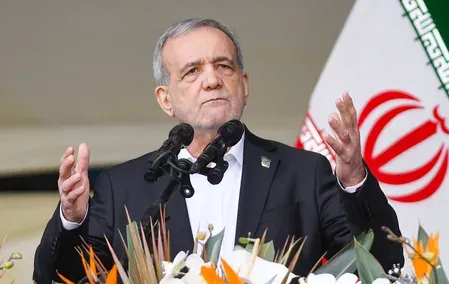
Iran's Pezeshkian vows to compel US to honour Iran-US peace MoU
Synopsis
Iran's president is publicly declaring that Tehran must 'compel' Washington to honour a peace MoU the two sides signed just weeks ago — even as US strikes on Iranian targets and Iranian retaliatory attacks have already shaken the agreement's foundations. With the Hormuz Strait at the centre of Trump's demands and a 60-day negotiation window ticking down, the MoU is simultaneously Iran's diplomatic anchor and its most contested liability.
Key Takeaways
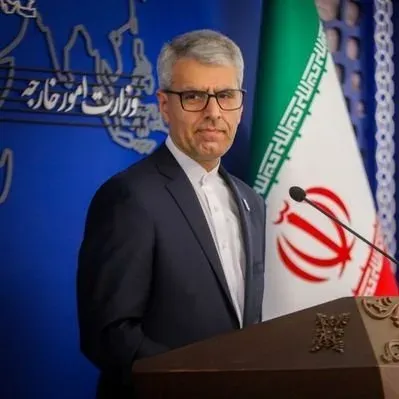
Iranian President Masoud Pezeshkian declared on 3 August that Iran must 'compel' the US to honour the peace MoU signed on 18 June .
Pezeshkian said the MoU has unanimous backing from Iran's Supreme National Security Council and will be the focal point of Iran's foreign policy.
Acting Defence Minister Seyed Majid Ebn Al-Reza said Iran treats all enemy threats as 'real,' pledging to strengthen deterrence.
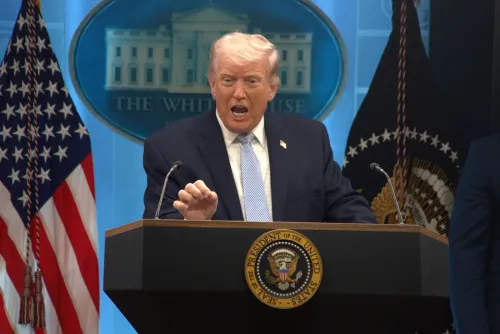
US President Donald Trump said the US was 'locked and loaded' but held off strikes, citing a potential deal involving the opening of the Strait of Hormuz .
The US military launched multiple strike waves against Iranian targets last month; Iran responded with missile and drone attacks on US bases in the region.
The 60-day negotiation window under the MoU is now under severe strain due to the recent military escalation.
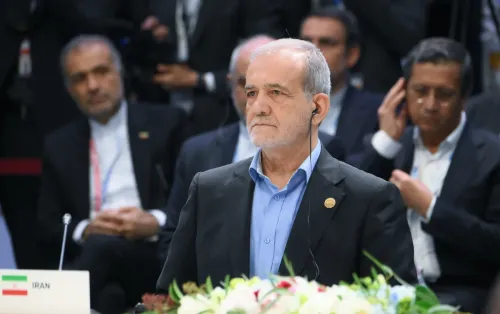
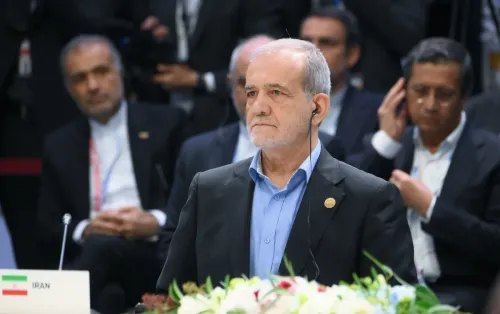
Iranian President Masoud Pezeshkian on 3 August declared that Tehran must 'compel' Washington to remain bound by the peace memorandum of understanding (MoU) signed between Iran and the United States, signalling a hardening of Iran's diplomatic posture even as the two nations remain locked in a fragile standoff. Pezeshkian made the remarks in a post on social media platform X, asserting broad consensus within Iran's Supreme National Security Council on the matter.
What Pezeshkian Said
'We must strive to compel the enemy to adhere to what it has signed. The security of the country, region and our allies will improve with this MoU,' Pezeshkian wrote. He added that he expects the MoU to become the central pillar of Iran's foreign policy going forward — a notable elevation of the agreement's status given the turbulence surrounding it.
Iran's Defence Posture
Iran's Acting Defence Minister Seyed Majid Ebn Al-Reza reinforced the message on Sunday, writing on X that Tehran treats every threat from its adversaries as 'real and noteworthy,' rejecting suggestions that such warnings amount to psychological warfare. 'We will neither be surprised nor remain passive. We use threats as a basis to increase our preparedness, strengthen our deterrence, and develop our power,' Al-Reza wrote, in remarks that came after US President Donald Trump said he had agreed to hold off fresh strikes against Iran.
Trump's Warning and the Hormuz Factor
In a post on Truth Social, Trump said the United States was 'locked and loaded and ready to go against the Islamic Republic of Iran, at levels of Military Terror, Strength, and Power not seen since World War II,' but indicated he had held off after being 'asked by Iran, and other Middle Eastern Countries.' Trump cited a forthcoming deal that would include the 'Immediate, Complete, and Total OPENING OF THE HORMUZ STRAIT, and an end to Iran's nuclear threat.' Reports had earlier suggested that US and Israeli strikes on Iranian energy infrastructure could begin over the weekend.
Background: The MoU and Recent Escalation
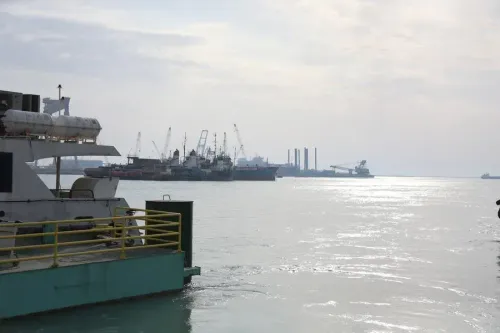
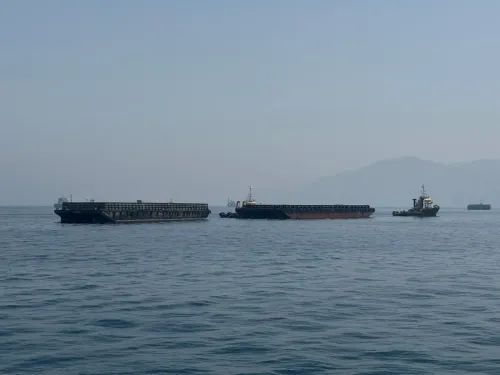
The Iran-US MoU was signed on 18 June, providing for negotiations within a 60-day window toward a final agreement. However, the talks' fate is now uncertain following a sharp escalation. The US military launched multiple waves of strikes against Iranian targets last month, describing them as a response to Iranian attacks on vessels in the Strait of Hormuz and aimed at 'degrading Iran's ability to threaten commercial shipping.' Iran retaliated with missile and drone attacks on US military bases and facilities in the region. This is the most serious military exchange between the two countries in years, and it has placed the MoU — already fragile — under severe strain.
What Comes Next
With the 60-day negotiation window under the MoU now running against a backdrop of active military exchanges, the path to a final agreement appears narrow. The Strait of Hormuz — through which roughly 20% of global oil trade passes — remains the central flashpoint. Any further escalation risks broader regional consequences, with Gulf states, India, and other energy-dependent economies watching closely.
Point of View
But it does little to rebuild the trust the recent military exchanges have shredded. The deeper contradiction is structural: the same administration that signed the MoU on 18 June is now managing the aftermath of active military strikes, which suggests the agreement was either signed under duress or has already been functionally suspended. For India and Gulf states dependent on Hormuz flows, the real risk is not a formal collapse of the MoU but a prolonged grey zone where neither war nor peace governs the strait.
NationPress
3 Aug 2026
Frequently Asked Questions
What is the Iran-US peace MoU?
The Iran-US peace MoU is a memorandum of understanding signed on 18 June, under which the two countries agreed to hold negotiations within a 60-day period aimed at reaching a final agreement. The deal's status is now uncertain following military exchanges between the two sides.
Why is Iran saying it must 'compel' the US to honour the MoU?
President Pezeshkian used the word 'compel' to signal that Tehran does not trust Washington to voluntarily uphold its commitments under the MoU. He framed the agreement as central to Iran's foreign policy and said there is consensus within the Supreme National Security Council on pursuing it.
What military exchanges have occurred between Iran and the US recently?
The US military launched multiple waves of strikes on Iranian targets last month, citing Iranian attacks on vessels in the Strait of Hormuz. Iran responded with missile and drone attacks on US military bases and facilities in the region, marking one of the most serious escalations between the two countries in years.
What is Donald Trump's position on Iran?
Trump posted on Truth Social that the US was 'locked and loaded' for strikes against Iran but said he held off after being asked by Iran and other Middle Eastern countries. He cited a forthcoming deal that would include the full opening of the Strait of Hormuz and an end to Iran's nuclear programme.
Why does the Strait of Hormuz matter in this context?
The Strait of Hormuz is a critical global shipping chokepoint through which roughly 20% of the world's oil trade passes. It has been a flashpoint in the Iran-US standoff, with the US citing Iranian attacks on vessels there as justification for its strikes, and Trump demanding its 'complete and total opening' as part of any deal.