Khamenei meets judiciary chief, demands compensation for US-Israeli 'crimes'
Synopsis
Even as US President Trump publicly floated seizing Iranian oil and launching 'another Epic Fury,' Iran's Supreme Leader Khamenei directed his judiciary chief to formalise compensation claims for damages from the February US-Israeli attacks. Tehran is simultaneously fighting back militarily and building a legal case — a two-track strategy that signals this conflict is far from over.
Key Takeaways
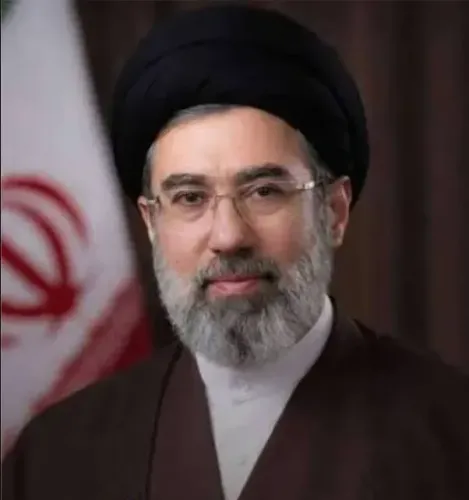
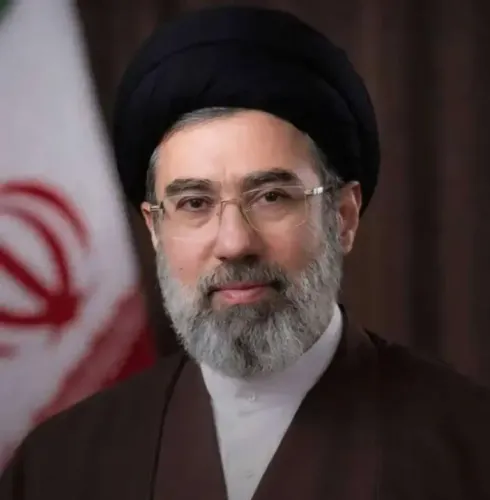
Supreme Leader Mojtaba Khamenei met Judiciary Chief Gholamhossein Mohseni-Ejei in Tehran on 25 October 2026 , demanding 'serious' pursuit of compensation for US-Israeli attack damages.
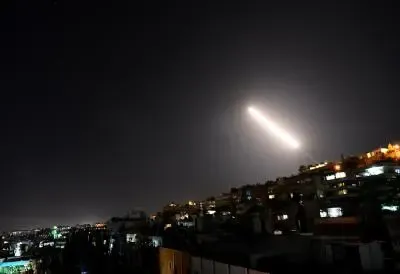
Israel and the United States launched joint attacks on Tehran and other Iranian cities on 28 February in an operation Trump later called 'Epic Fury.' Iran responded with missile and drone strikes on Israeli and US targets and tightened control over the Strait of Hormuz .
US President Donald Trump on Friday suggested the US could 'take all of the oil' or 'the whole country,' and hinted at 'another Epic Fury.' US and Israeli militaries have reportedly drawn up plans for renewed strikes, potentially after the US midterm elections , though no decision has been confirmed.
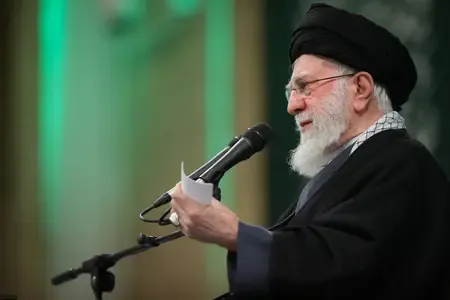
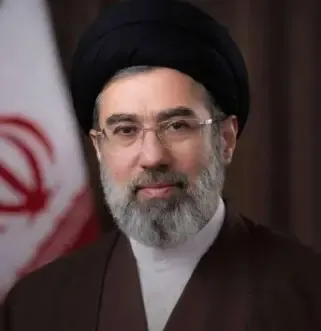
Iranian Supreme Leader Mojtaba Khamenei on Saturday, 25 October 2026, met Judiciary Chief Gholamhossein Mohseni-Ejei in Tehran, stressing the need for 'serious' efforts to pursue Iranian citizens' rights and secure compensation for damages inflicted during US-Israeli attacks on the country. The meeting's agenda, published on the supreme leader's official website, signals that Tehran intends to pursue legal and diplomatic redress even as the conflict with Washington and Tel Aviv remains unresolved.
Key Demands From the Meeting
Among the priorities Khamenei highlighted were promoting justice, safeguarding public rights, fighting corruption and its root causes, and handling judicial cases 'promptly, precisely and decisively.' He also called for the enforcement of judicial rulings in a 'timely and deterrent manner' and demanded a 'comprehensive and tangible' transformation of Iran's judicial apparatus.
Crucially, the supreme leader underlined the necessity of drawing up plans to 'decisively fight crimes' and to 'seriously pursue the restoration of the Iranian people's rights and compensation for the material and non-material damages' stemming from what he described as 'crimes perpetrated by the US-Israeli criminals.'
Background: The February Attacks and Iran's Response
The meeting follows a dramatic escalation that began on 28 February, when Israel and the United States launched coordinated joint attacks on Tehran and other Iranian cities in what Washington dubbed 'Operation Epic Fury.' Iran responded with waves of missile and drone strikes targeting Israeli territory and US military bases and assets across the region, while also tightening its grip on the Strait of Hormuz — a chokepoint through which a significant share of global oil supplies passes.
The conflict, which remains active, has rattled energy markets, strained global supply chains, and drawn in multiple regional actors. This is the most significant direct military confrontation between Iran and Western powers in recent decades.
Trump Raises Prospect of Fresh Strikes
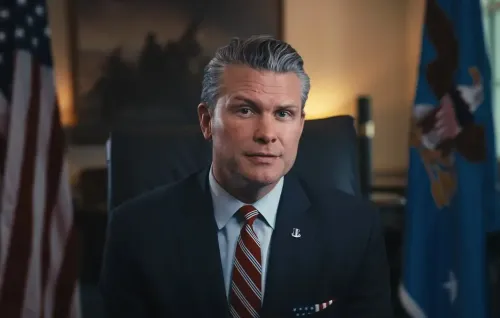
Adding to the volatility, US President Donald Trump on Friday raised the prospect of renewed military action against Iran, making sweeping remarks to reporters as he departed the White House for a campaign rally in Florida. 'Iran is not able to do much now. And we could, if we wanted to, just take all of the oil,' Trump said. 'We could take the whole country.'
When asked about US Ambassador to the United Nations Mike Waltz's assessment that the conflict could drag on for another year, Trump said: 'We could end it very quickly ... The question is, ‘Do we want to finish it off or do we just want to let it wither?’'
At the Florida rally, Trump went further, suggesting another operation was possible. 'We may do another little Epic Fury,' he told attendees, directly referencing the 28 February joint offensive. Reports citing US media suggest American and Israeli military planners have already drawn up contingency plans for renewed strikes, potentially timed after the US midterm elections — though whether Trump will ultimately authorise another operation remains uncertain.
What This Means for the Region
Khamenei's directive to the judiciary to formalise compensation claims represents Tehran's effort to institutionalise its grievances within a legal framework, even as it continues military resistance. Notably, the move also serves a domestic political purpose: demonstrating to the Iranian public that leadership is actively pursuing accountability for wartime damages.
Trump's rhetoric, meanwhile, escalates pressure ahead of the midterms, and analysts warn that any renewed US-Israeli strike could push Iran to further restrict Hormuz transit, with immediate consequences for global oil prices. With both sides publicly signalling readiness for further action, the risk of a new escalatory cycle remains high.
Point of View
One fought on legal and diplomatic fronts as much as military ones. The timing is deliberate: formalising grievances while the conflict is live locks in a narrative of victimhood that Tehran can deploy internationally. Trump's remarks, meanwhile, are characteristically volatile but carry real risk — loose talk of seizing Iranian oil or territory could harden Iranian domestic opinion and complicate any back-channel diplomacy. The midterm elections loom as the next decision point: if Washington and Tel Aviv do green-light fresh strikes, Iran's Hormuz leverage becomes its most consequential card, and global energy markets will feel it immediately. The conflict has entered a phase where both sides are simultaneously signalling willingness to escalate and leaving themselves exits — a dangerous and unstable equilibrium.
NationPress
25 Oct 2026
Frequently Asked Questions
What did Iran's Supreme Leader Khamenei say at the judiciary meeting on 25 October?
Khamenei stressed the need for 'serious' efforts to pursue Iranian citizens' rights and secure compensation for material and non-material damages caused by what he called US-Israeli crimes. He also called for sweeping judicial reforms, including faster case handling and more effective enforcement of rulings.
What were the US-Israeli attacks on Iran that Khamenei referenced?
On 28 February, Israel and the United States launched coordinated joint strikes on Tehran and other Iranian cities in an operation Trump referred to as 'Epic Fury.' Iran responded with missile and drone attacks on Israeli and US targets and tightened its control over the Strait of Hormuz.
What did Trump say about Iran on Friday?
Speaking to reporters at the White House and later at a Florida rally, Trump suggested the US could seize all of Iran's oil or even 'take the whole country.' He also floated the possibility of 'another Epic Fury,' referencing the February operation, and said the US could end the conflict 'very quickly' if it chose to.
Are there plans for fresh US-Israeli strikes against Iran?
According to US media reports, American and Israeli military planners have drawn up contingency plans for renewed strikes, potentially timed after the US midterm elections. However, whether Trump will ultimately authorise another military operation remains uncertain.
Why is Iran pursuing judicial compensation claims during an active conflict?
Tehran appears to be pursuing a dual-track strategy — military resistance alongside a legal and diplomatic campaign to institutionalise its grievances internationally. Directing the judiciary to formalise compensation claims also serves a domestic political purpose, demonstrating to the Iranian public that leadership is actively seeking accountability for wartime damages.