IRGC warns nations aiding US of harsh response, vows Hormuz closure
Synopsis
The IRGC has drawn a hard line: nations aiding the US face retaliation, the Strait of Hormuz stays shut until American interference stops, and two oil tankers have already been targeted. With the Corps claiming a strike on a US base in Jordan and Iran-Oman diplomacy running in parallel, the Iran-US standoff is entering a dangerous new phase with direct implications for global energy flows.
Key Takeaways
The IRGC on 30 July warned nations assisting the US of a 'harsh and firm' response if they do not change their behaviour.
The IRGC declared the Strait of Hormuz will remain closed until US interference in Iranian maritime activities ends.
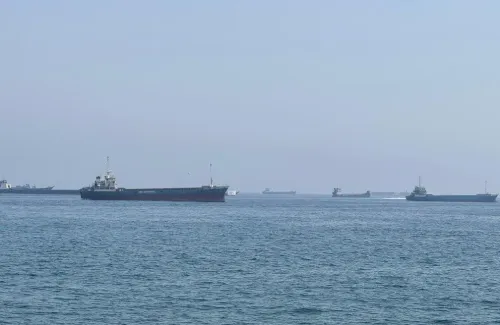
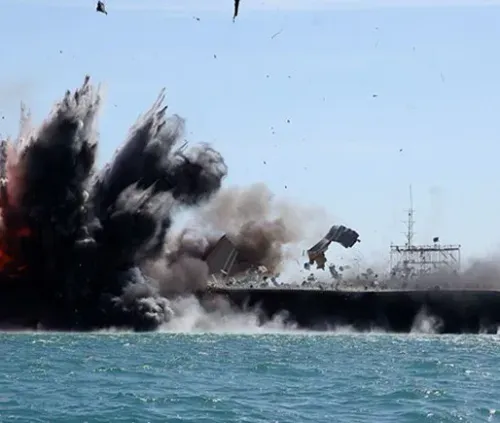
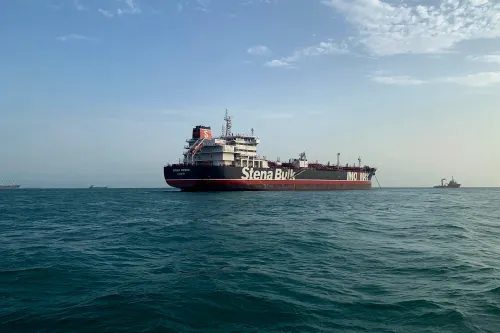
Two oil tankers were reportedly targeted south of the Strait of Hormuz; fire erupted on one vessel, forcing both ships to turn back.
On Wednesday , the IRGC claimed its Aerospace Force struck a US air base and CENTCOM headquarters in Jordan .
Iran and Oman held Deputy Foreign Minister-level talks on 24-25 July in Tehran on safe navigation through the Strait of Hormuz, with Iran describing progress as 'useful and forward-looking.'
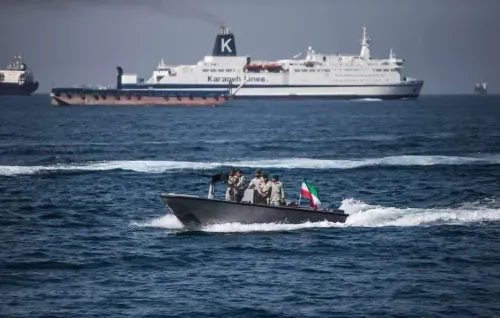
The Islamic Revolutionary Guard Corps (IRGC) on Thursday, 30 July issued a stark warning to nations assisting the United States in its military actions against Iran, threatening a 'harsh and firm' retaliation if they do not change course. The statement, released by the IRGC's Public Relations division, also declared that the Strait of Hormuz — one of the world's most critical energy corridors — would remain closed until US interference in Iranian maritime activities ceases.
Key Developments
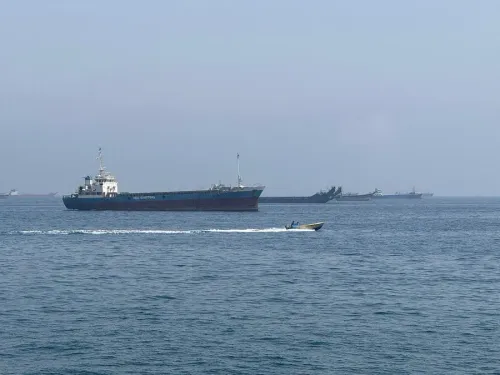
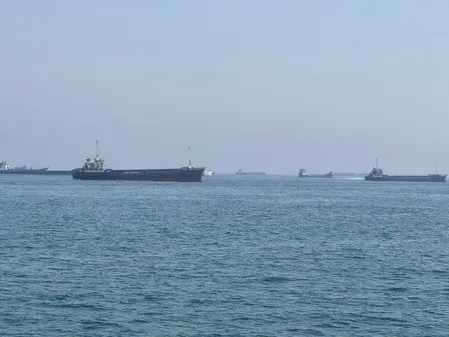
In its Thursday statement, the IRGC warned US accomplices in West Asia and beyond to alter their behaviour or face Iranian retaliation. The Corps also announced that two oil tankers attempting to navigate an unsafe shipping route south of the Strait of Hormuz had been targeted — fire reportedly erupted on one vessel, causing both ships to turn back, according to reports citing Iran's official state media.
The IRGC asserted that the Strait of Hormuz 'is part of Iran and is in its full control,' vowing to prevent any outside power 'from thousands of kilometres away' from intervening in the waterway.
IRGC Claims Attack on US Base in Jordan
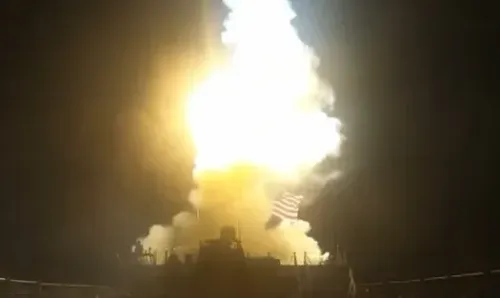
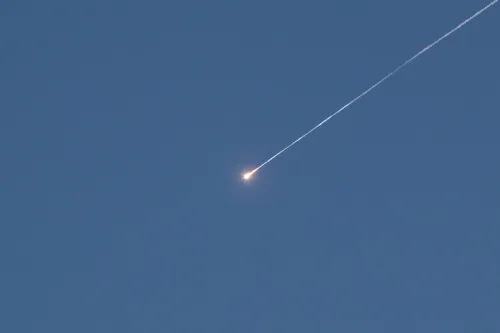
A day earlier, on Wednesday, the IRGC claimed its Aerospace Force struck a US air base and the US Central Command (CENTCOM) headquarters in Jordan, describing the action as retaliation for US military strikes against Iran. The Corps vowed to continue resistance as long as Iran faces what it characterised as 'threats, illegal and hostile moves' from US forces.
The Hormuz Stakes
The Strait of Hormuz connects the Persian Gulf with the Gulf of Oman and the Arabian Sea, serving as the primary export artery for oil and liquefied natural gas from major Gulf producers. Any sustained disruption to navigation through the strait would have immediate consequences for global energy markets and supply chains.
Iran-Oman Talks and Diplomatic Signals
The escalatory rhetoric contrasts with recent diplomatic activity. Last week, Iran and Oman held technical talks in Tehran on 24-25 July at the level of Deputy Foreign Ministers, discussing mechanisms for safe maritime traffic through the Strait of Hormuz while respecting the sovereign rights of both littoral states.
Iran's Foreign Ministry spokesperson Esmaeil Baqaei, speaking to reporters on 26 July, described the discussions as 'useful and forward-looking,' noting that progress had been made on common principles and practical arrangements for safe navigation.
What Comes Next
The dual track of military posturing and diplomatic engagement reflects the broader volatility in West Asia following the military exchanges between Iran and the US. Analysts will be watching whether the Oman channel can serve as a back-door de-escalation mechanism even as the IRGC continues to harden its public stance. Any further targeting of commercial shipping near the Strait of Hormuz risks drawing in additional regional and global actors.
Point of View
While leaving a back channel open. What mainstream coverage underplays is the tanker targeting: if commercial vessels are being fired upon near Hormuz, the insurance and freight markets will react before any government does, and that economic shock could cascade far beyond the immediate conflict zone. The Oman talks are the most significant diplomatic signal here — Muscat has historically served as a discreet Iran-US intermediary, and progress there could matter more than any IRGC statement.
NationPress
30 Jul 2026
Frequently Asked Questions
What did the IRGC warn on 30 July 2025?
The IRGC warned nations assisting the US in its military actions against Iran to change their behaviour or face a 'harsh and firm' retaliation. It also declared that the Strait of Hormuz would not be reopened until US threats and interference in Iranian maritime activities end.
Why is the Strait of Hormuz so important?
The Strait of Hormuz connects the Persian Gulf with the Gulf of Oman and the Arabian Sea, making it the primary export route for oil and liquefied natural gas from major Gulf producers. Any sustained closure or disruption would significantly impact global energy supply and prices.
What did the IRGC claim about attacks on a US base in Jordan?
On Wednesday, the IRGC claimed its Aerospace Force struck a US air base and the US Central Command (CENTCOM) headquarters in Jordan, describing the action as retaliation for US military strikes against Iran.
What happened to the oil tankers near the Strait of Hormuz?
The IRGC announced that two oil tankers attempting to use a shipping route south of the Strait of Hormuz were targeted. Fire reportedly erupted on one vessel, causing both ships to turn back, according to reports citing Iranian state media.
What were the Iran-Oman talks about and what progress was made?
Iran and Oman held technical talks in Tehran on 24-25 July at the Deputy Foreign Minister level to discuss safe navigation through the Strait of Hormuz. Iran's Foreign Ministry spokesperson Esmaeil Baqaei described the discussions as 'useful and forward-looking,' saying progress had been made on common principles and practical mechanisms for maritime traffic.