Pakistan blasphemy laws weaponised: Christian family framed in Karachi setup
Synopsis
A burnt Quran page mailed with a Christian man's own photograph — the VOPM calls it a textbook setup. With blasphemy cases in Pakistan rising from 213 in 2024 to an estimated 250 in 2025, and at least five mob killings last year alone, the Karachi incident is not an aberration. It is, according to rights groups, the new normal.
Key Takeaways
A desecrated Quran page was allegedly mailed to a Karachi shop on 9 July alongside photos of Christian man Azeem Javaid and his mother, sparking mob outrage.
The Voice of Pakistan Minority (VOPM) called the incident a deliberate setup, citing the illogic of a perpetrator self-identifying in the mailing.
Pakistan recorded approximately 213 blasphemy cases in 2024 , rising to an estimated 250 in 2025 , with 2026 figures tracking higher.
At least 5 people were killed in blasphemy-related mob violence in 2024 , with multiple incidents already in 2026.
The VOPM drew parallels to the Jaranwala 2023 violence, warning of a systemic shift toward organised entrapment and digitally manipulated accusations.
Rights groups are calling for stricter evidence standards, legal protections for the accused, and real consequences for mob violence.
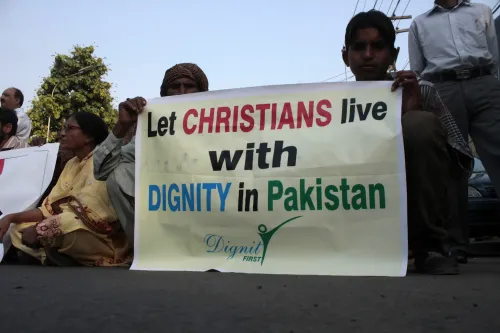
A Christian family in Karachi has been allegedly framed in a fabricated blasphemy case, with a leading minority rights body warning on 15 July 2025 that Pakistan's blasphemy laws are being systematically weaponised to target minorities, settle personal scores, and seize property. The Voice of Pakistan Minority (VOPM) described the incident as part of a worsening national pattern that has accelerated sharply since 2023.
The Karachi Incident
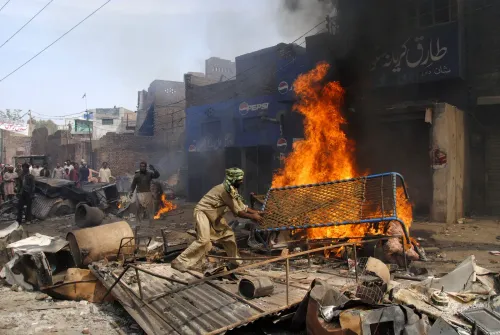
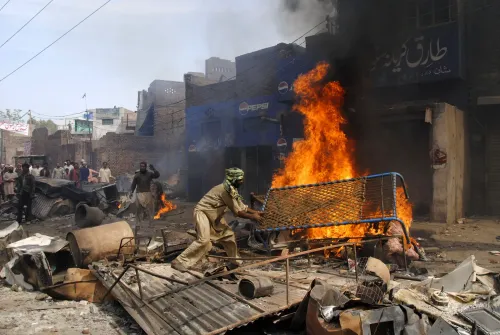
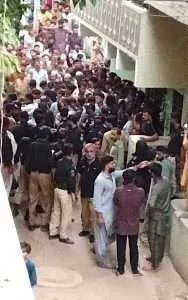
On 9 July, a desecrated page of the Quran was reportedly mailed to a shop in Karachi, accompanied by photographs of a Christian man, Azeem Javaid, and his mother. The alleged mailing triggered immediate public outrage — crowds gathered at the scene, pelted stones at police, and left Christian families trapped inside their homes.
The VOPM condemned the episode as a deliberate entrapment. 'This wasn't just spontaneous outrage. It looked like a setup. Why would someone send a burnt Quran page along with their own photo and ID?' the organisation stated. A source close to the family, quoted by the VOPM, added: 'No one would deliberately implicate themselves in such a serious offence.' The rights body assessed the incident as a calculated attempt to frame Javaid, potentially rooted in a personal or financial dispute.
Echoes of Jaranwala 2023
The VOPM drew a direct parallel to the Jaranwala violence of 2023, when fake blasphemy allegations led to the destruction of churches and Christian homes before courts could intervene. 'Mobs acted first. Courts caught up later — sometimes too late,' the organisation noted. It argued that in both cases the state responded only after tensions had already boiled over, calling that approach 'crisis management, not governance.'
A Documented Deterioration
According to VOPM data, Pakistan's blasphemy landscape has entered what the group describes as a 'more dangerous and complex phase.' The organisation recorded approximately 213 blasphemy cases in 2024, rising to an estimated 250 in 2025, with early 2026 figures suggesting the trend is continuing. Alongside the case count, the VOPM documented at least five killings linked to mob violence in 2024 alone, with multiple incidents already reported in 2026.
The rights body highlighted a shift toward digitally driven accusations — content that is harder to verify and easier to manipulate — as a key factor amplifying the risk. 'Fake or manipulated online content, planned entrapment, and lack of accountability have turned accusations into a weapon,' the VOPM stated.
Systemic Failures and What Needs to Change
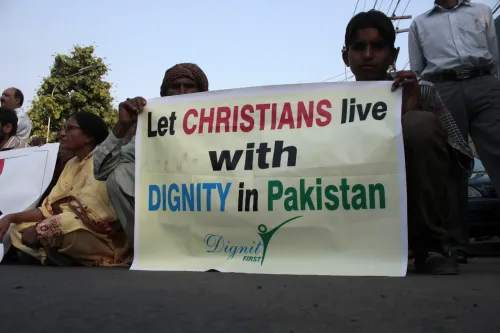
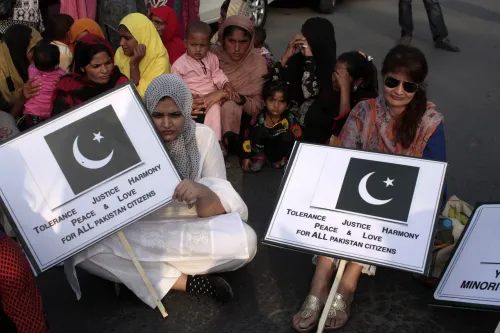
The VOPM argued that what was once episodic misuse of blasphemy statutes has become 'organised and widespread.' The organisation called for stronger legal protections for the accused, real consequences for mob violence, and stricter evidentiary standards before blasphemy charges can be registered. Without those reforms, it warned, 'this cycle will continue.'
The Karachi case has reignited debate over whether Pakistan's blasphemy laws, long criticised by international human rights bodies, can be reformed without triggering a political backlash. As pressure mounts on minority communities across the country, the outcome of the Javaid case is being closely watched by rights groups as a test of institutional accountability.
Point of View
Only an accusation and an audience. The VOPM data — 213 cases in 2024, 250 in 2025, five mob killings in a single year — points to acceleration, not aberration. What is changing is the method: digital fabrication and planned entrapment are replacing spontaneous accusations, making the misuse harder to detect and easier to execute at scale. The state's repeated pattern of intervening only after mobs have acted is not a law-and-order failure; it is a political choice, and minorities are paying for it.
NationPress
15 Jul 2026
Frequently Asked Questions
What happened in the Karachi blasphemy case involving Azeem Javaid?
On 9 July 2025, a desecrated Quran page was allegedly mailed to a shop in Karachi along with photographs of Christian man Azeem Javaid and his mother. The mailing triggered mob violence, with crowds gathering, stoning police, and trapping Christian families in their homes. The Voice of Pakistan Minority called it a deliberate setup, arguing no genuine perpetrator would include their own photo and identification.
What is the Voice of Pakistan Minority (VOPM)?
The Voice of Pakistan Minority (VOPM) is a minority rights organisation that monitors and documents the treatment of religious minorities in Pakistan. It has been tracking blasphemy cases and related mob violence, and publicly condemned the Karachi incident as part of a broader, worsening pattern of organised misuse of blasphemy laws.
How widespread is blasphemy law misuse in Pakistan?
According to VOPM data, approximately 213 blasphemy cases were recorded in Pakistan in 2024, rising to an estimated 250 in 2025, with early 2026 figures suggesting further increase. At least five people were killed in blasphemy-related mob violence in 2024 alone, with multiple incidents already reported in 2026.
How does the Karachi case compare to the Jaranwala violence in 2023?
The VOPM drew a direct parallel between the two incidents. In Jaranwala in 2023, fake blasphemy allegations led to the destruction of churches and Christian homes before courts could act. In both cases, mobs acted before the state intervened, a pattern the VOPM describes as crisis management rather than governance.
What reforms are rights groups demanding to address blasphemy law misuse?
The VOPM has called for stricter evidentiary standards before blasphemy charges can be registered, stronger legal protections for the accused, and real consequences for those who incite or participate in mob violence. The organisation has also flagged the growing use of digitally fabricated content to manufacture blasphemy accusations as a new and harder-to-counter threat.