Quad Foreign Ministers meet in New Delhi: Jaishankar calls Indo-Pacific key to global growth
Synopsis
Hosting the Quad's foreign ministers for the third time in under 18 months, Jaishankar used New Delhi's platform to push beyond platitudes — framing supply chain resilience, connectivity choke points, and critical infrastructure as the grouping's real-world test. The frequency of meetings alone signals that the Quad is hardening from a strategic concept into an operational alliance.
Key Takeaways
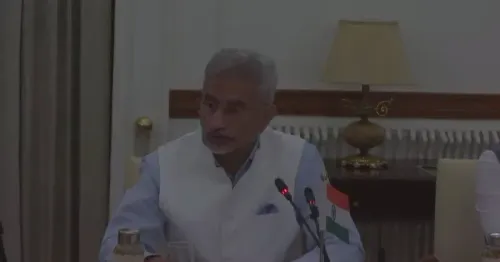
Jaishankar opened the Quad Foreign Ministers' Meeting in New Delhi on 27 May 2025 .
This was the third Quad foreign ministers' meeting in under 18 months , reflecting an accelerated diplomatic tempo.
Jaishankar called on the Quad to address supply chain resilience , connectivity choke points , and critical infrastructure gaps .
Collaboration has advanced across maritime security , critical technologies , economic resilience , and HADR .
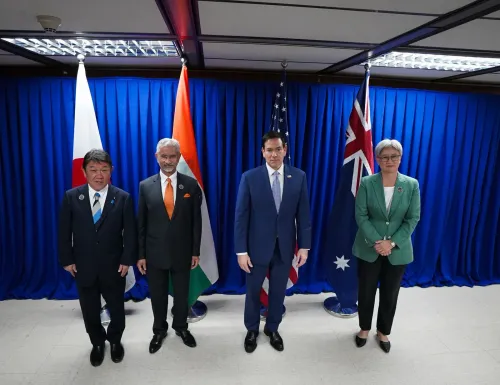
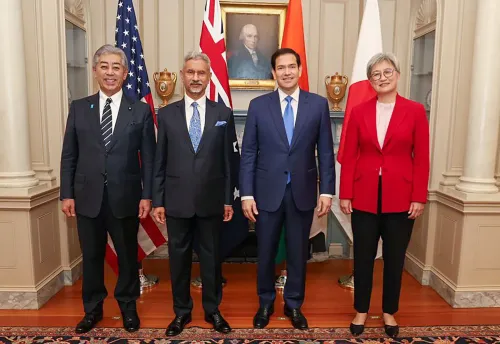
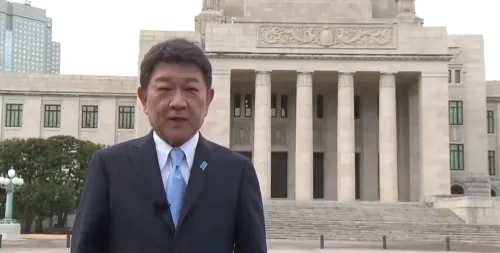
Attendees included Penny Wong (Australia), Toshimitsu Motegi (Japan), and Marco Rubio (US).
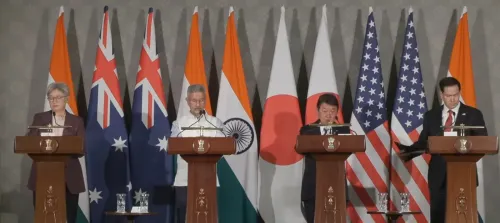
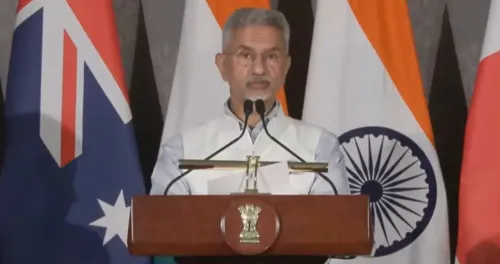
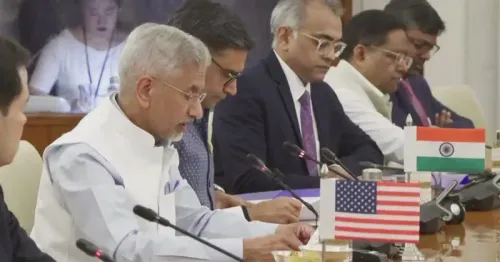
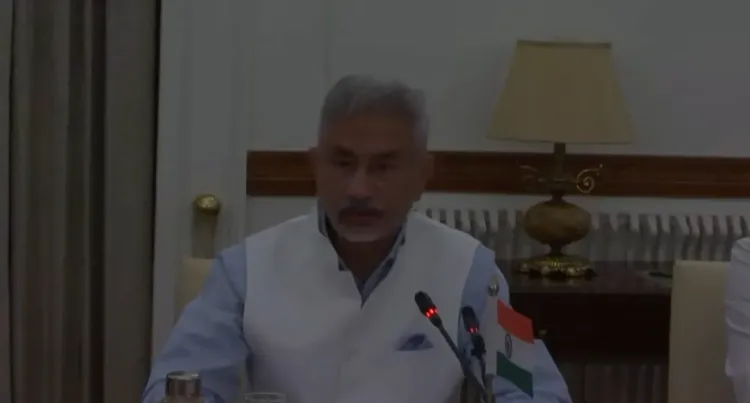
External Affairs Minister S. Jaishankar on Tuesday, 27 May 2025 opened the Quad Foreign Ministers' Meeting in New Delhi by calling on the four-nation grouping to reinforce the Indo-Pacific as an indispensable engine of global growth and stability. Addressing counterparts from Australia, Japan, and the United States, Jaishankar framed the gathering as a moment to translate shared values into concrete action.
Key Statements from the Opening Remarks
Jaishankar noted that the ministers were convening for the third time in under 18 months, signalling the grouping's growing operational tempo. 'Meeting for the third time in less than 18 months, we will be discussing and deciding our shared activities. Obviously, that will take into account the many challenges and opportunities in the world. Our focus will clearly be on the Indo-Pacific, which is the specific limit of the Quad,' he said.
He emphasised that the four nations — as maritime democracies, pluralistic societies, and market economies — carry a shared responsibility toward a free and open Indo-Pacific. 'The region must remain a driver for global growth and stability,' Jaishankar added, underlining the meeting's central theme.
Agenda: Supply Chains, Connectivity and Critical Infrastructure
Jaishankar identified several structural challenges the Quad must collectively address: supply chain resilience, connectivity choke points, manufacturing and resource concentration gaps, and deficits in critical infrastructure. He argued that each of these pressure points presents a fresh case for deeper partnerships and stronger economic growth.
'At the global level, we have to address supply chain resilience, connectivity choke points, manufacturing and resource concentrations and gaps in critical infrastructure. Each one of them offers a new argument for more partnerships, stronger growth and realising the promise of technologies,' he said.
Progress on Quad Priorities
Jaishankar reported that Quad officials had, over the preceding months, advanced collaboration across four core pillars: maritime security, critical technologies, economic resilience, and Humanitarian Assistance and Disaster Relief (HADR). He described progress across several initiatives as 'encouraging', while stressing that the Indo-Pacific's specific concerns — including strategic confidence and economic choice — require 'trusted and transparent partnerships.'
This comes amid heightened regional attention to Chinese assertiveness in the South China Sea and growing competition over critical minerals and semiconductor supply chains — areas where the Quad has been quietly building institutional capacity since its 2021 revival.
Who Attended the Meeting
The meeting brought together Australian Foreign Minister Penny Wong, Japanese Foreign Minister Toshimitsu Motegi, and US Secretary of State Marco Rubio alongside Jaishankar. The Quad — comprising Australia, India, Japan, and the United States — focuses on maritime security, resilient supply chains, critical minerals, infrastructure development, disaster relief, and emerging technologies.
With the next Quad Leaders' Summit on the horizon, Tuesday's ministerial deliberations are expected to set the agenda for heads-of-government-level commitments.
Point of View
But the harder question is whether deliberation is translating into delivery. Jaishankar's emphasis on supply chain resilience and critical infrastructure gaps points to an agenda that has moved well beyond maritime optics, yet tangible outcomes on, say, critical minerals or semiconductor diversification remain sparse in the public domain. India's hosting role also carries domestic weight: positioning New Delhi as the Quad's convening power reinforces its 'leading power' foreign policy branding ahead of a busy multilateral calendar. The real test is whether 'trusted and transparent partnerships' produces binding frameworks or remains aspirational language.
NationPress
9 Oct 2026
Frequently Asked Questions
What was discussed at the Quad Foreign Ministers' Meeting in New Delhi?
The Quad Foreign Ministers' Meeting in New Delhi on 27 May 2025 focused on the Indo-Pacific as a driver of global growth and stability. Key agenda items included supply chain resilience, connectivity choke points, critical infrastructure gaps, maritime security, critical technologies, economic resilience, and Humanitarian Assistance and Disaster Relief (HADR).
Who attended the Quad Foreign Ministers' Meeting?
The meeting was attended by External Affairs Minister S. Jaishankar (India), Foreign Minister Penny Wong (Australia), Foreign Minister Toshimitsu Motegi (Japan), and Secretary of State Marco Rubio (United States).
What is the Quad and what are its core priorities?
The Quad is a four-nation grouping comprising Australia, India, Japan, and the United States. It focuses on maritime security, resilient supply chains, critical minerals, infrastructure development, disaster relief, and emerging technologies, with a shared commitment to a free and open Indo-Pacific.
Why is the Quad meeting significant?
Tuesday's gathering was the third Quad foreign ministers' meeting in under 18 months, reflecting an accelerating diplomatic tempo. Jaishankar indicated that officials have made 'encouraging progress' across key priorities and that the meeting would shape upcoming decisions on shared activities in the Indo-Pacific.
What did Jaishankar say about the Indo-Pacific?
Jaishankar said the four nations, as maritime democracies, pluralistic societies, and market economies, share a responsibility toward a free and open Indo-Pacific, and that 'the region must remain a driver for global growth and stability.' He also stressed the need for trusted and transparent partnerships to address the region's specific concerns.