Japan security policy revision 2026: LDP eyes nuclear submarines, Three Non-Nuclear Principles review
Synopsis
Japan's ruling coalition is moving toward a historic rethink of its postwar security identity. With the LDP studying nuclear-powered submarines and the JIP pushing to revisit the Three Non-Nuclear Principles, the November consultations could set Japan on a course it has avoided since the 1960s — raising alarms among nuclear experts and Japan's regional neighbours alike.
Key Takeaways
The LDP and JIP plan to begin working-level consultations in November 2026 on revising Japan's three key security documents by year's end.
Nuclear-powered submarines capable of launching long-range missiles are a central item, with the JIP calling for their introduction 'as soon as possible.' The JIP has also called for a review of the principle prohibiting introduction of nuclear weapons into Japan — one of the Three Non-Nuclear Principles .
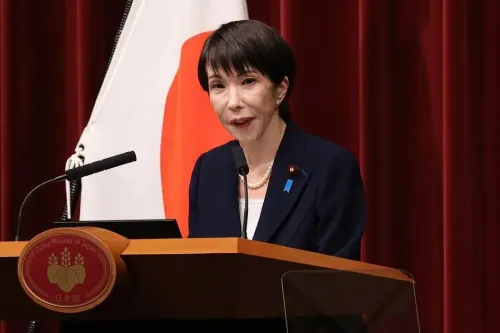
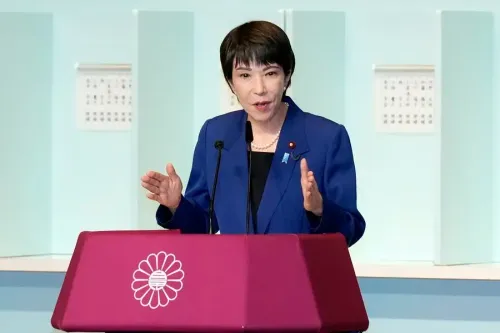
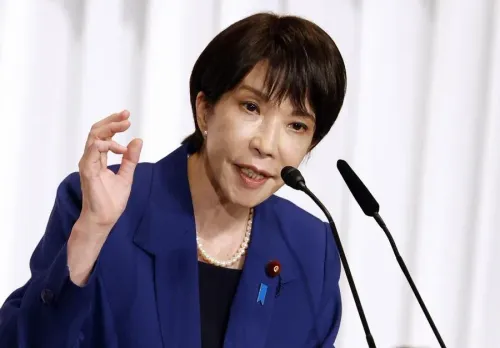
Prime Minister Sanae Takaichi has said there is 'room for further discussion' on the Three Non-Nuclear Principles; Defence Minister Shinjiro Koizumi has urged talks 'without taboos.' Nuclear experts and peace advocates held a Tokyo symposium on 20 October 2026 opposing nuclear submarine acquisition, warning of risks to regional security and non-proliferation norms.
Japan's ruling Liberal Democratic Party (LDP) and its coalition partner, the Japan Innovation Party (JIP), plan to begin working-level consultations in November 2026 on revising the country's three key security documents by year's end, with nuclear-powered submarines and a potential review of the country's Three Non-Nuclear Principles expected to dominate talks, according to reports citing multiple sources familiar with the matter.
Key Proposals on the Table
The LDP has called for an early feasibility study into possessing submarines capable of launching long-range missiles, including vessels that use 'next-generation propulsion' systems. The JIP has gone further, arguing explicitly that nuclear power is the only viable propulsion option for such submarines and calling for their introduction 'as soon as possible.'
Beyond submarine propulsion, the JIP has also urged a review of the principle that prohibits the introduction of nuclear weapons into Japan — one of the country's three longstanding Three Non-Nuclear Principles — calling for a reassessment to 'reflect current realities.'
What the Government Has Said
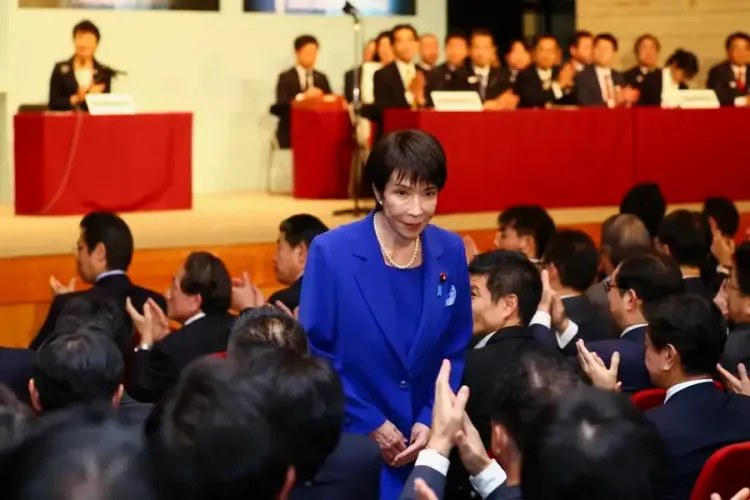
Japanese Prime Minister Sanae Takaichi recently acknowledged there was 'room for further discussion' on the specific wording of the Three Non-Nuclear Principles. Defence Minister Shinjiro Koizumi has repeatedly called for discussions on nuclear weapons and related security policies 'without taboos,' signalling a broader shift in the administration's posture.
The two coalition parties are expected to coordinate their positions through working-level consultations before any formal revision is finalised. This approach mirrors the LDP's earlier playbook: when Japan formulated its current three key security documents in 2022, the acquisition of counterstrike capabilities triggered multiple rounds of consultations between the LDP and its then-coalition partner, Komeito, before an agreement was reached.
Opposition and Public Concern
The administration's moves have drawn pushback from within Japanese civil society. On Monday, 20 October 2026, Japanese nuclear experts and peace advocates held a symposium in Tokyo to oppose the introduction of nuclear-powered submarines, warning that such a step could undermine regional security and the international nuclear non-proliferation regime. The administration's moves on nuclear-related security policy have, according to reports, raised concerns across various sectors of Japanese society.
Why This Revision Matters
Japan's Three Non-Nuclear Principles — not possessing, not producing, and not permitting the introduction of nuclear weapons — have been a cornerstone of the country's postwar security identity since the 1960s. Any revision would represent a historic departure from decades of policy, with significant implications for the security architecture of the Indo-Pacific region and for Japan's relationships with neighbours including China and South Korea. This comes amid a broader regional trend of military capability expansion, with North Korea's nuclear advancements and China's assertiveness frequently cited by Japanese officials as justifications.
The outcome of the November consultations is expected to set the direction for Japan's security posture well into the next decade.
Point of View
Coalition-level challenge for the first time. The pivot from 2022's counterstrike capability debate to a discussion about nuclear-powered submarines and the Three Non-Nuclear Principles is not incremental; it is qualitative. What is notable is that the pressure is coming not just from hawkish LDP voices but from a coalition partner explicitly naming nuclear propulsion as the only viable option. Prime Minister Takaichi and Defence Minister Koizumi are providing political cover rather than resisting. The regional signal this sends — to Beijing, Pyongyang, and Seoul alike — will be as consequential as any document Japan eventually signs.
NationPress
21 Oct 2026
Frequently Asked Questions
What are Japan's Three Non-Nuclear Principles?
Japan's Three Non-Nuclear Principles are longstanding policy commitments not to possess, not to produce, and not to permit the introduction of nuclear weapons into Japan. Established in the 1960s, they have been a defining feature of Japan's postwar security and foreign policy identity.
Why are the LDP and JIP pushing for nuclear-powered submarines?
The LDP has called for a feasibility study into submarines capable of launching long-range missiles using next-generation propulsion, while the JIP argues nuclear power is the only viable propulsion option. Both parties have cited evolving regional security threats, including North Korea's nuclear programme and China's military assertiveness, as justifications.
When will Japan's security document revision be finalised?
The LDP and JIP plan to begin working-level consultations in November 2026, with the aim of completing a revision of the three key security documents by the end of the year.
How does this revision compare to Japan's 2022 security overhaul?
Japan's 2022 security document revision was itself historic, introducing the concept of counterstrike capabilities. The current revision goes further by potentially revisiting the Three Non-Nuclear Principles and exploring nuclear-powered submarines — issues that were not on the table in 2022.
What concerns have critics raised about the proposed changes?
Nuclear experts and peace advocates, who held a symposium in Tokyo on 20 October 2026, warned that introducing nuclear-powered submarines could undermine regional security and the international nuclear non-proliferation regime. The administration's direction has also reportedly raised concerns across broader sections of Japanese society.