How Did PM Modi and Greek PM Mitsotakis Enhance Connectivity through IMEC?
Synopsis
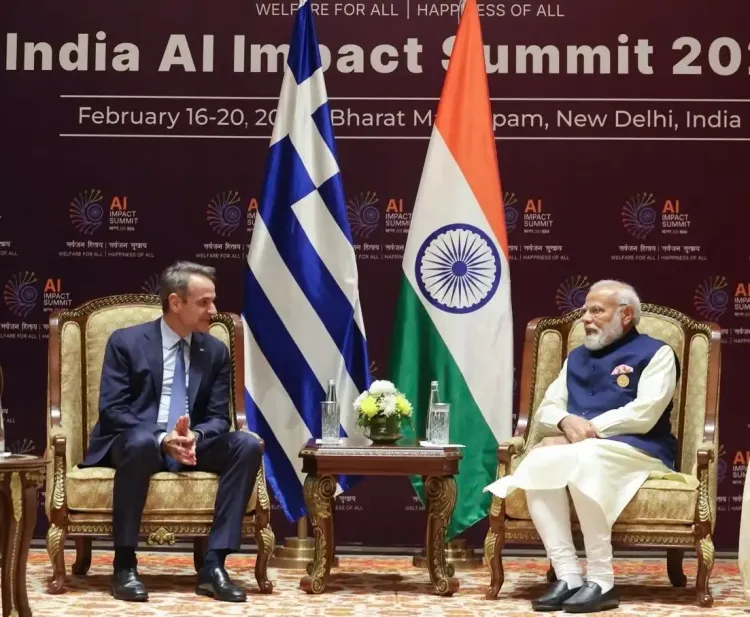
In a pivotal meeting during the AI Impact Summit, PM Modi and Greek PM Mitsotakis explored strategies to enhance connectivity through IMEC, solidifying international cooperation and boosting economic ties.
Key Takeaways
Strengthening International Ties: The meeting highlighted the importance of enhancing connectivity through IMEC.
Strategic Economic Initiatives: IMEC aims to integrate trade networks between India, the Gulf, and Europe.
AI Collaboration: Both countries discussed leveraging AI for economic growth.
Job Creation: The initiative is expected to generate new employment opportunities.
Support Against Terrorism: Greece's support for India in combating terrorism was acknowledged.
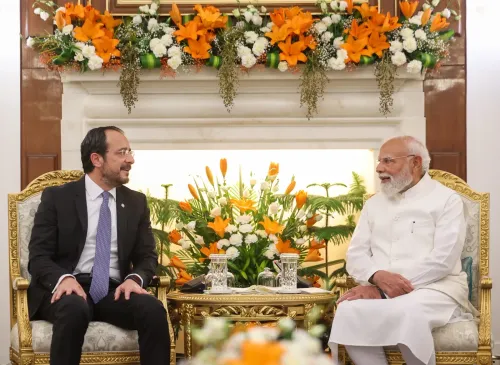
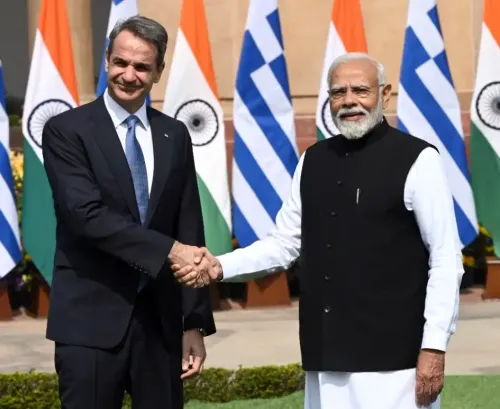
New Delhi, Feb 19 (NationPress) Prime Minister Narendra Modi and his Greek counterpart Kyriakos Mitsotakis convened for discussions on boosting connectivity, particularly through the India–Middle East–Europe Economic Corridor (IMEC), during the ongoing AI Impact Summit in New Delhi.
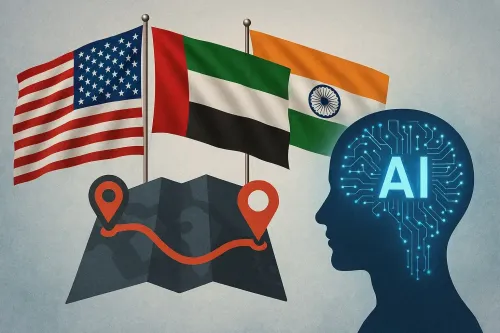
At the G20 Leaders’ Summit in New Delhi in 2023, the leaders of India, European Union, France, Germany, Italy, Saudi Arabia, UAE, and US established a Memorandum of Understanding (MoU) aimed at collaboratively developing the India-Middle East Europe Economic Corridor (IMEEC).
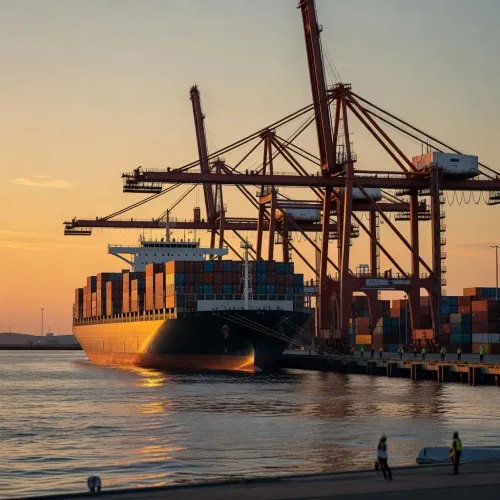
The IMEEC will consist of two distinct corridors: the eastern corridor linking India to the Gulf and the northern corridor connecting the Gulf to Europe. This initiative aims to significantly enhance connectivity, boost efficiency, lower costs, secure regional supply chains, facilitate increased trade accessibility, and create jobs, leading to transformative integration among Asia, Europe, and the Middle East.
During their conversation, as reported by the Ministry of External Affairs (MEA), both leaders assessed various dimensions of the India-Greece strategic partnership, focusing on trade and commerce, defense and security, tourism, culture, and collaboration in AI and other emerging technologies.
"The leaders emphasized enhancing connectivity through the IMEC and expressed anticipation for the prompt execution of the India-EU FTA, which will yield tremendous benefits for both economies, fostering advanced technological collaboration, investments, and job creation, especially for the youth. Prime Minister Modi also expressed gratitude toward PM Mitsotakis for Greece's robust support in India's battle against terrorism," stated the MEA following their meeting.
Earlier, in his address at the AI Impact Summit, the Prime Minister of Greece commended India for organizing this significant event, which has positioned India and the Global South at the forefront of global discussions on Artificial Intelligence (AI).
He commented, "The theme of the summit, 'People, Progress, and Planet', underscores that Artificial Intelligence is not merely a technological change but also a cultural transformation. The decisions made today will define whether AI broadens opportunities or exacerbates inequalities."
Mitsotakis emphasized the need for governments to ensure that workers are retrained, small businesses can access AI tools, and public services are revitalized so that farmers, nurses, teachers, and small entrepreneurs can tangibly benefit from this technology.
He acknowledged the legitimate concerns regarding workforce displacement and highlighted Greece's efforts toward digitalization to enhance public service accessibility. He noted that integrating AI into education will help close the learning gap while advancements in telemedicine and personalized healthcare will elevate overall quality of life.
Additionally, he shared that Greece has formed partnerships with major cloud service providers while simultaneously building its capabilities through EU-backed AI factories and initiatives, attracting global investments.
"If technology is leveraged to pressure trusted partners or if overregulation stifles innovation, it will lead to a decline in collective innovation. Fragmentation of the AI ecosystem into rigid compartments diminishes universal benefits, while responsible interdependence expands opportunities for all," remarked Mitsotakis.
"Listening to India's Prime Minister, I believe it is the fusion of artificial intelligence and ancestral intelligence, whether derived from ancient Sanskrit texts or Greek philosophical writings, that will guide us towards a more equitable future filled with prosperity. This is the message Greece aims to convey globally, and I hope it resonates widely," he concluded.
Point of View
It's imperative to recognize the strategic importance of PM Modi's discussions with Greece's PM Mitsotakis. The focus on the IMEC not only reflects a commitment to strengthening international partnerships but also underlines India's proactive stance in global economic integration. Such collaborations are vital for addressing contemporary challenges and fostering mutual growth.
NationPress
30 Sept 2026
Frequently Asked Questions
Who were the leaders involved in the discussions?
The discussions were held between Prime Minister Narendra Modi of India and Prime Minister Kyriakos Mitsotakis of Greece.
What are the benefits of the IMEC?
The IMEC aims to improve connectivity, reduce costs, secure supply chains, and create jobs, leading to transformative integration between Asia , Europe , and the Middle East .
What role does AI play in this collaboration?
AI is a key focus area for collaboration, with both leaders discussing its potential to enhance trade and technological development.
Why is this meeting significant?
This meeting is significant as it emphasizes international cooperation in addressing economic challenges and improving regional connectivity.