India-Slovakia Comprehensive Partnership: Modi signs 11 deals in Bratislava
Synopsis
Modi's Bratislava stop wasn't a courtesy call — it was a strategic reset. The first Indian PM to visit Slovakia in over three decades, Modi secured a Comprehensive Partnership, 11 MoUs, Slovakia's backing for India's UN Security Council permanent seat, and a green light on the Nuclear Suppliers Group, all in a single visit.
Key Takeaways
India and Slovakia elevated bilateral ties to a Comprehensive Partnership on 16 June in Bratislava .
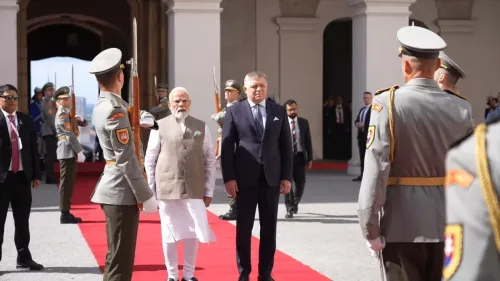
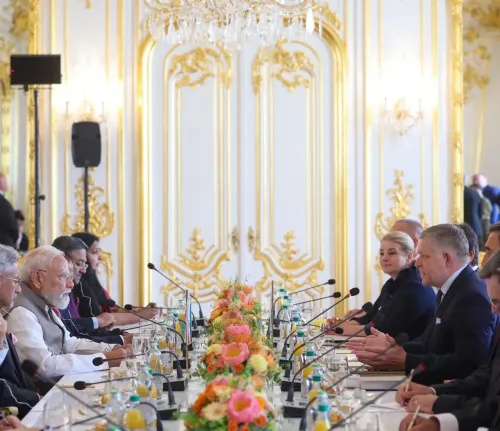
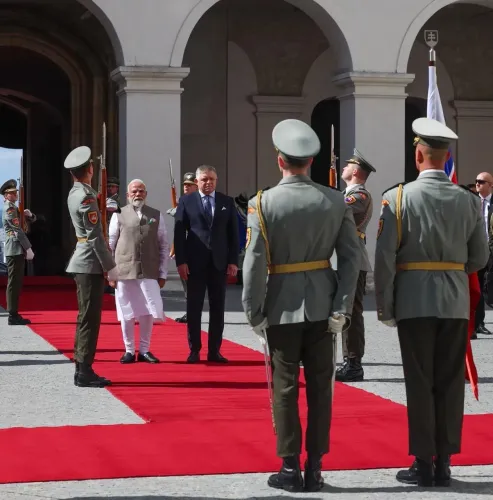
PM Modi and Slovak PM Robert Fico oversaw the signing of 11 agreements and MoUs at Bratislava Castle .
This was the first-ever visit by an Indian Prime Minister to Slovakia since its independence in 1993 .
PM Modi was conferred Slovakia's highest civilian honour, the Order of the White Double Cross (First Class) .
Slovakia reaffirmed support for India's permanent membership in a reformed UN Security Council and for India's entry into the Nuclear Suppliers Group .
Prime Minister Narendra Modi on 16 June elevated India's bilateral ties with Slovakia to a Comprehensive Partnership during the first-ever visit by an Indian Prime Minister to Bratislava since Slovakia's independence in 1993. The upgrade, formalised at the historic Bratislava Castle, was accompanied by the signing of 11 agreements and Memorandums of Understanding (MoUs) spanning multiple sectors.
What the Comprehensive Partnership Entails
The newly elevated framework is designed to take bilateral relations to a qualitatively new level — strengthening existing cooperation mechanisms while opening fresh avenues for engagement, both bilaterally and in multilateral forums. According to the Ministry of External Affairs (MEA), the partnership will cover diverse sectors and is expected to deepen cooperation on regional connectivity, open international trade, and a rules-based international order.
The two sides also agreed to enhance parliamentary exchanges and delegation-level contacts at all levels, with a focus on sharing legislative experiences and best practices.
Key Engagements in Bratislava
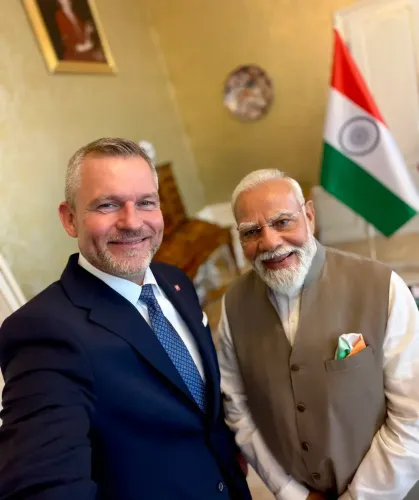
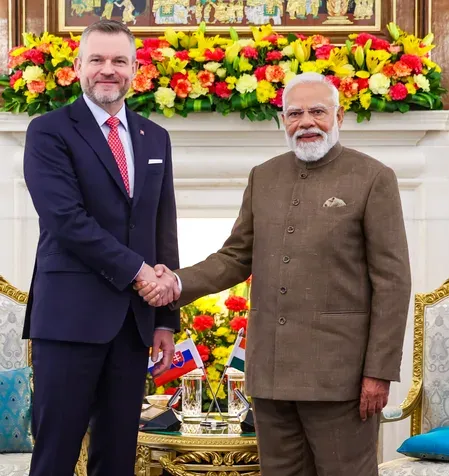
Delegation-level talks between Prime Minister Modi and Slovak Prime Minister Robert Fico formed the centrepiece of the visit. Modi also met Slovak President Peter Pellegrini at the Presidential Palace, where he was conferred Slovakia's highest civilian honour — the Order of the White Double Cross (First Class).
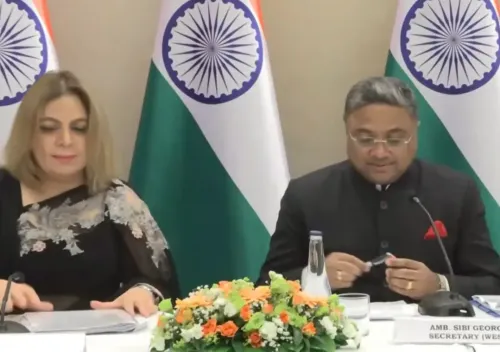
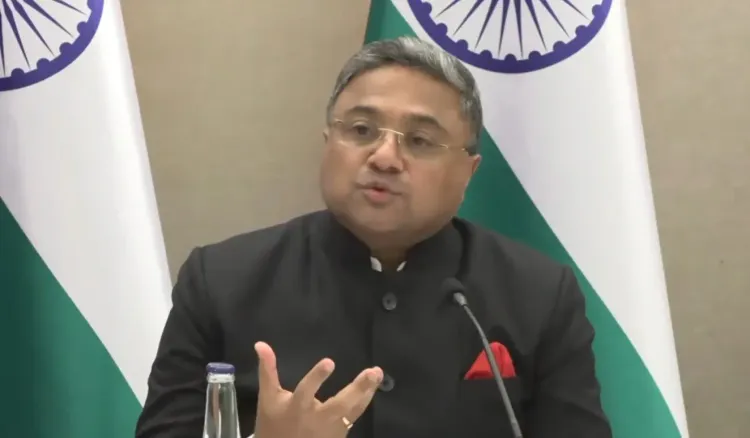
Briefing reporters in Bratislava, MEA Secretary (West) Sibi George described the visit as transformative. 'The visit reaffirms India's commitment to strengthening ties with Slovakia and will provide a renewed momentum to bilateral cooperation across diverse sectors. Elevation of the relationship to a comprehensive partnership will take the bilateral relationship to a new level, strengthen existing cooperation mechanisms and explore new avenues for deepening cooperation, both bilaterally and multilaterally,' George said.
Indo-Pacific, UN Security Council, and Nuclear Suppliers Group
Both leaders acknowledged the growing geopolitical, economic, and technological importance of the Indo-Pacific, agreeing that a stronger India-Slovakia partnership would support freedom of navigation, peaceful resolution of disputes, and a rules-based international order.
On multilateral reform, the two sides reaffirmed support for expanding the UN Security Council in both permanent and non-permanent categories. Notably, Slovakia reiterated its support for India's permanent membership in a reformed and expanded UN Security Council — a long-standing Indian diplomatic objective.
Slovakia also reaffirmed its constructive approach to India's membership of the Nuclear Suppliers Group (NSG), another key priority for New Delhi in its push for greater integration into global non-proliferation frameworks.
Why This Visit Matters
The Bratislava visit is the first by any Indian Prime Minister in over three decades of Slovak statehood, lending it considerable symbolic weight. This comes amid India's broader diplomatic push to deepen engagement with Central and Eastern European nations — a region that has grown in strategic relevance given shifting global supply chains and the ongoing reconfiguration of European security architecture.
With 11 MoUs signed and a Comprehensive Partnership framework now in place, the two countries are expected to pursue structured cooperation in areas including trade, technology, and parliamentary dialogue in the months ahead.
Point of View
And their real value will depend on implementation timelines that have not yet been disclosed. The symbolic first-ever PM visit to Bratislava also signals that India's European diplomatic outreach is no longer confined to Berlin, Paris, and London.
NationPress
15 Sept 2026
Frequently Asked Questions
What is the India-Slovakia Comprehensive Partnership?
The Comprehensive Partnership is an upgraded bilateral framework agreed upon during PM Modi's visit to Bratislava on 16 June, designed to deepen cooperation across diverse sectors — including trade, technology, and parliamentary exchanges — both bilaterally and in multilateral forums. It replaces the previous level of diplomatic engagement and is backed by 11 signed agreements and MoUs.
Why is PM Modi's visit to Slovakia historically significant?
It is the first visit by an Indian Prime Minister to Slovakia since the country gained independence in 1993 — a gap of over three decades. The visit marks a deliberate effort by India to expand its diplomatic footprint in Central and Eastern Europe.
What honour did PM Modi receive in Slovakia?
Slovak President Peter Pellegrini conferred upon PM Modi the Order of the White Double Cross (First Class), Slovakia's highest civilian honour, during a meeting at the Presidential Palace in Bratislava.
Did Slovakia support India's UN Security Council bid?
Yes. Slovakia reiterated its support for India's permanent membership in a reformed and expanded UN Security Council during the visit. Both leaders also stressed the urgent need to expand the Council in both permanent and non-permanent categories.
What is Slovakia's position on India joining the Nuclear Suppliers Group?
Slovakia reaffirmed its constructive approach to India's membership of the Nuclear Suppliers Group (NSG) — a key diplomatic priority for New Delhi as it seeks greater integration into global non-proliferation frameworks.