Modi-Ruto G7 meet: India and Kenya deepen Global South ties
Synopsis
On the sidelines of the G7 Summit, Modi and Ruto signalled that the India-Kenya partnership is moving beyond historical goodwill into concrete Global South strategy — spanning clean energy, digital tech, and food security. With bilateral trade already above USD 3 billion and India's Africa diplomacy in high gear, this meeting could set the agenda for the next phase of South-South cooperation.
Key Takeaways
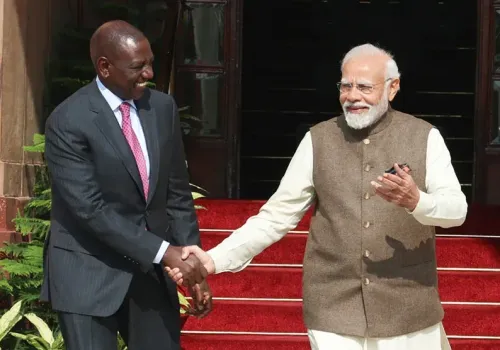
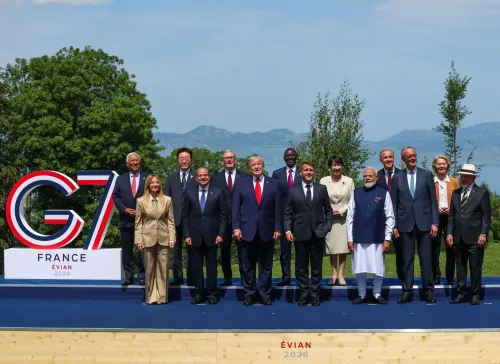
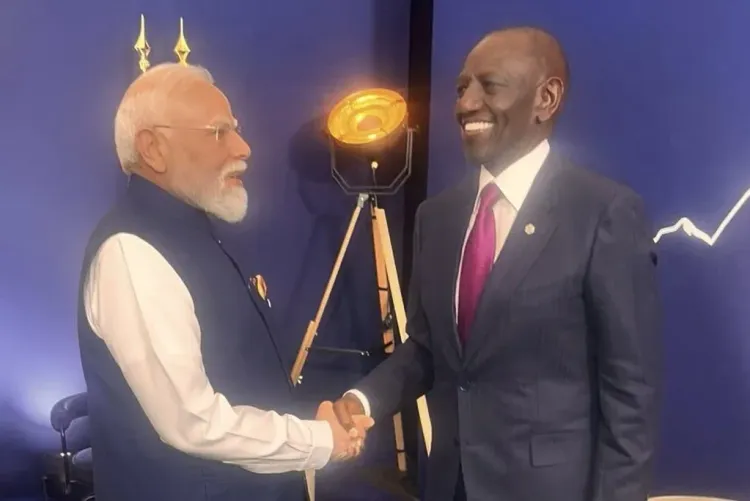
PM Narendra Modi met Kenyan President William Ruto on 16 June on the sidelines of the G7 Summit , where India participated as an invited partner country.
Both leaders reaffirmed commitment to the Global South and discussed cooperation in renewable energy , digital technologies , and food security .
India-Kenya bilateral trade stands at over USD 3 billion annually, spanning pharmaceuticals, machinery, tea, and coffee.
The Indian diaspora in Kenya numbers over 80,000 and has historically strengthened bilateral ties.
India has extended lines of credit for infrastructure and capacity-building projects in Kenya.
The meeting is expected to pave the way for enhanced collaboration under the broader India-Africa engagement framework.
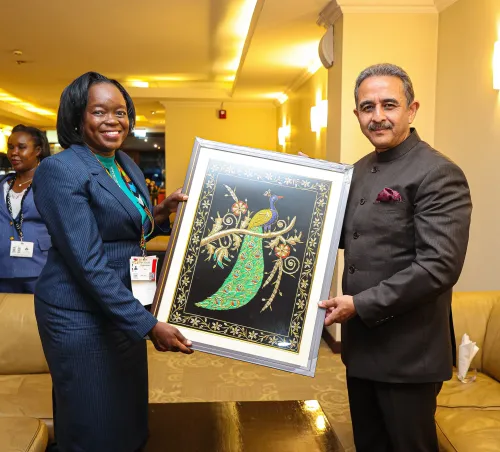
Prime Minister Narendra Modi on Tuesday, 16 June held a bilateral meeting with Kenyan President William Ruto on the sidelines of the Group of Seven (G7) Summit, reaffirming India and Kenya's commitment to strengthening their partnership in service of Global South aspirations. India was present at the summit as an invited partner country.
What the Leaders Said
Modi described the meeting warmly, saying he was 'glad to have met President William Ruto of Kenya,' and underscored that both nations remain committed to working together for the well-being of their peoples. Officials said the discussion covered expansion of cooperation in renewable energy, digital technologies, and food security, while also addressing shared concerns over global economic volatility and the need for resilient supply chains.
Depth of India-Kenya Ties
India and Kenya share historical and cultural bonds stretching back to the pre-independence era. The Indian diaspora in Kenya, estimated at over 80,000, has been a consistent bridge between the two nations. Bilateral trade has crossed USD 3 billion annually, with India exporting pharmaceuticals, machinery, and automobiles, while importing tea, coffee, and leather products from Kenya.
Development cooperation has been another pillar of the relationship. India has extended lines of credit for infrastructure projects and capacity-building initiatives in Kenya, reinforcing its role as a key development partner in East Africa.
The Global South Dimension
President Ruto, who assumed office in 2022, has consistently championed South-South cooperation and sought to deepen Kenya's engagement with India. The timing of this meeting is notable — both governments have been working in tandem to amplify the collective voice of the Global South in multilateral forums, particularly on climate change, sustainable development, and equitable trade.
This comes amid India's broader push under Prime Minister Modi to position New Delhi as a leading advocate for developing nations, a thrust that gained momentum during India's G20 presidency in 2023. The Modi-Ruto meeting reflects a continuation of that strategic framing on a new multilateral stage.
What Comes Next
The interaction is expected to lay the groundwork for enhanced bilateral collaboration across priority sectors. Kenya remains one of India's most significant partners on the African continent, and the G7 sideline meeting signals that both sides intend to translate diplomatic warmth into concrete deliverables in the months ahead.
Point of View
Yet critics note that lines of credit and bilateral trade figures have not always translated into the kind of structural partnerships African nations seek. Kenya, under Ruto, is actively courting multiple partners — China, the US, and the Gulf — which means India must compete on specifics, not just shared history. The renewable energy and digital technology agenda flagged in this meeting offers a credible lane, but only if followed by project-level commitments with timelines.
NationPress
15 Sept 2026
Frequently Asked Questions
Where did PM Modi and President Ruto meet?
The two leaders met on the sidelines of the G7 Summit on 16 June, where India was present as an invited partner country. The meeting was a bilateral interaction on the margins of the multilateral summit.
What did Modi and Ruto discuss?
According to officials, the leaders discussed expanding cooperation in renewable energy, digital technologies, and food security. They also addressed shared concerns about global economic volatility and the importance of resilient supply chains.
What is the current state of India-Kenya trade?
Bilateral trade between India and Kenya has crossed USD 3 billion annually. India exports pharmaceuticals, machinery, and automobiles to Kenya, while importing tea, coffee, and leather products in return.
Why is the Global South significant to both India and Kenya?
Both nations have been working to amplify the voice of developing countries in international forums on issues such as climate change, sustainable development, and equitable trade. India's advocacy for the Global South gained prominence during its G20 presidency in 2023, and Kenya under President Ruto has been a consistent champion of South-South cooperation.
What is the size of the Indian diaspora in Kenya?
The Indian diaspora in Kenya numbers over 80,000 and has historically played a significant role in shaping bilateral relations, serving as a cultural and economic bridge between the two countries.