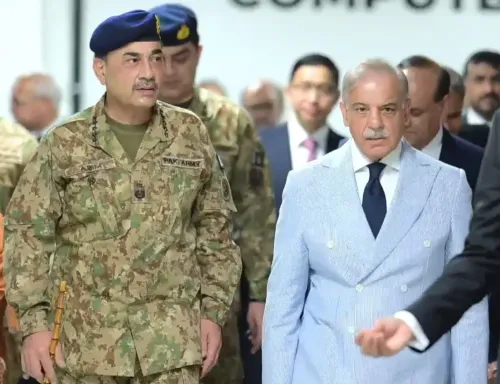
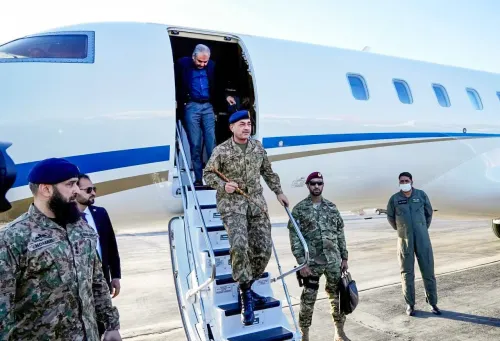
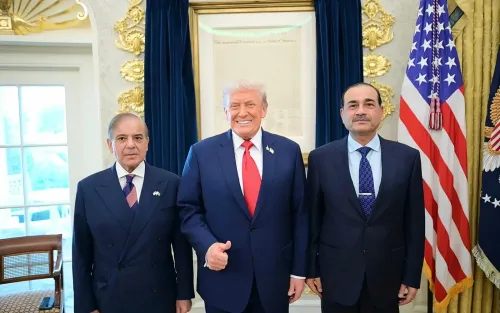
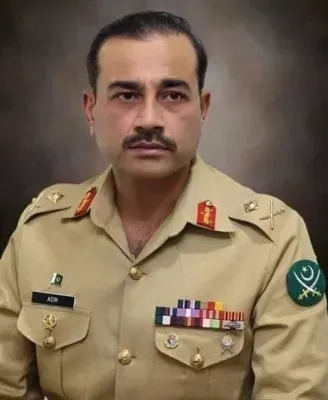
Asim Munir's strategic failures leave Pakistan in polycrisis on multiple fronts
Synopsis
A detailed report by India Narrative argues that Pakistani Army Chief Asim Munir's leadership has simultaneously failed on every front — a 300% inflation crisis, near-total energy collapse, empty shuttle diplomacy on Iran-US talks, Lashkar-e-Taiba threats over the Abraham Accords, and the humiliation of the 88-hour India-Pakistan conflict. Analysts now warn of a Musharraf-style deflection strategy targeting India.
Key Takeaways
Pakistan Army Chief Asim Munir is reportedly facing a polycrisis on both domestic and international fronts, according to an India Narrative analysis.
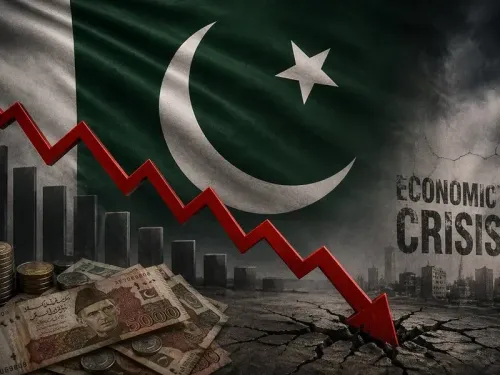
Pakistan's inflation has reportedly soared to 300 per cent , with the energy sector described as nearing a 'complete shutdown' .
Pakistan's role in Iran-US mediation was characterised as merely that of a messenger, yielding no substantive diplomatic gains.
Lashkar-e-Taiba has reportedly issued assassination threats against Munir over potential recognition of Israel via the Abraham Accords .
The TRF-linked Pahalgam terror attack led to an 88-hour India-Pakistan conflict , which the report says severely damaged the Pakistani military establishment's standing.
Analysts warn Munir may adopt a Musharraf-style low-intensity deflection strategy against India to divert domestic pressure.
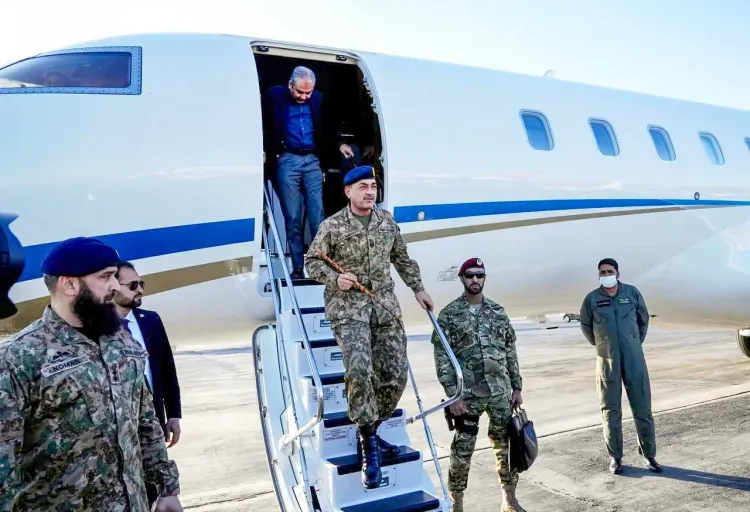
Pakistani Army Chief General Asim Munir's strategic shortsightedness has reportedly pushed Pakistan to the edge of a polycrisis, with the country struggling simultaneously on domestic and international fronts despite months of high-profile diplomatic posturing, according to an analysis published by India Narrative. The report, citing economic collapse signals and diplomatic underperformance, argues that Munir's leadership is now under serious question.
Economic and Energy Crisis at Home
At the domestic level, Pakistan is grappling with severe economic distress, with inflation reportedly soaring to 300 per cent and the country's energy sector described as facing near 'complete shutdown' conditions. These compounding pressures have eroded public confidence in the military establishment, which critics argue bears direct responsibility for the country's governance trajectory.
The report notes that signs of mounting frustration against the Pakistani military establishment are increasingly visible, with the institution's credibility at what observers describe as a historic low.
Diplomatic Theatrics With Little Substance
On the international stage, Pakistan's role in the Iran-US mediation process has been characterised in the report as little more than that of a messenger. 'After months of mediation drama and so-called shuttle diplomacy by Field Marshal Asim Munir, there was a desperate attempt to secure some depth in the Middle East and rebuild ties with the US. However, Pakistan did nothing at the diplomatic stage except act as a messenger, a role deliberately used for propaganda to attract the diplomatic spotlight,' the India Narrative report stated.
The report further highlighted that Washington's diplomatic push to bring Arab and Muslim-majority countries into the Abraham Accords has placed Pakistan in an uncomfortable bind, with Lashkar-e-Taiba — a Pakistan-backed militant outfit — reportedly issuing assassination threats against Munir should he move toward recognising Israel through the Accords framework.
Western Border Pressures and the Balochistan Factor
The report stressed that Pakistan's military is simultaneously flanked at its western border by the Balochistan insurgency, radical elements, and its own backed terror outfits. This multi-directional pressure, the analysis argues, has left Munir with rapidly shrinking strategic room.
Notably, the first signs of Munir's strategic overreach became visible last year, when mounting internal instability at the western frontier coincided with the military establishment's reputational nadir. The Pakistan-backed terrorist group The Resistance Front (TRF) carried out the Pahalgam terror attacks, triggering a short 88-hour conflict between India and Pakistan, during which, according to the report, 'the will of Pakistan's military establishment was severely crushed and humiliated.'
A Musharraf-Style Deflection Strategy Feared
Analysts cited in the report warn that Munir may now resort to a strategy reminiscent of former Pakistani army chief Pervez Musharraf — pursuing strategic deflection through low-intensity attacks designed to stay below the war threshold. This could include gradually reopening the front against India to divert domestic attention and amplifying propaganda efforts to sustain Pakistan's diplomatic relevance, particularly in its relationship with Washington.
The report concluded that unless Munir pivots from his current hardline, radical approach, managing both external and internal challenges will become increasingly untenable. All eyes are now on whether the Pakistani military establishment can engineer a course correction before the polycrisis deepens further.
Point of View
External adventurism tends to follow. Munir's predicament is structurally familiar: a military establishment that has overplayed its diplomatic hand, backed terror proxies that are now turning inward, and presided over an economy in freefall. The Musharraf comparison is apt but also alarming — that playbook ended in Kargil and a decade of instability. What the report does not fully interrogate is whether civilian institutions in Pakistan have any countervailing capacity left, or whether the polycrisis has already foreclosed that option entirely.
NationPress
23 Oct 2026
Frequently Asked Questions
What is the polycrisis facing Pakistan under Asim Munir?
According to an India Narrative report, Pakistani Army Chief Asim Munir faces simultaneous crises on multiple fronts — a domestic economic meltdown with inflation reportedly at 300%, a near-collapsed energy sector, diplomatic irrelevance in the Iran-US mediation, internal threats from militant outfits, and the fallout from the 88-hour India-Pakistan conflict triggered by the Pahalgam terror attack.
Why has Pakistan's diplomatic role in Iran-US mediation been criticised?
The India Narrative report argues that despite months of shuttle diplomacy by Munir, Pakistan functioned only as a messenger with no substantive influence on the outcome, leaving peace talks in a fragile position. Critics say the effort was driven more by the desire for diplomatic visibility than by genuine strategic leverage.
What are the Lashkar-e-Taiba threats against Asim Munir about?
Lashkar-e-Taiba, a Pakistan-backed militant outfit, has reportedly issued assassination threats against Munir if he moves to recognise Israel through the Abraham Accords framework. This places Munir in a direct confrontation with one of the very proxies the Pakistani military establishment has historically supported.
What is the Musharraf-style deflection strategy analysts are warning about?
Analysts cited in the report warn that Munir may pursue low-intensity attacks against India to stay below the formal war threshold, mirroring a strategy associated with former army chief Pervez Musharraf. The goal would be to divert domestic attention from Pakistan's internal crises and sustain the country's diplomatic profile with the United States.
How did the Pahalgam terror attack and the 88-hour conflict affect Pakistan's military standing?
The TRF-linked Pahalgam terror attack triggered a short 88-hour conflict between India and Pakistan, after which the India Narrative report states that the will of Pakistan's military establishment was 'severely crushed and humiliated.' The episode is cited as a key inflection point that deepened Munir's current strategic vulnerability.