Netanyahu defends Iran bombing at UN: 'If we hadn't, we'd all be dead'
Synopsis
Standing before a UN General Assembly where dozens of delegations walked out in protest, Benjamin Netanyahu defended the killing of Iran's Supreme Leader as a necessity — 'If we hadn't done it, we'd all be dead' — while Iran's retaliatory Strait of Hormuz blockade continues to choke 20 per cent of global energy supplies. The speech laid bare an unresolved conflict with no ceasefire in sight and a deepening rift between Israel and much of the international community.
Key Takeaways
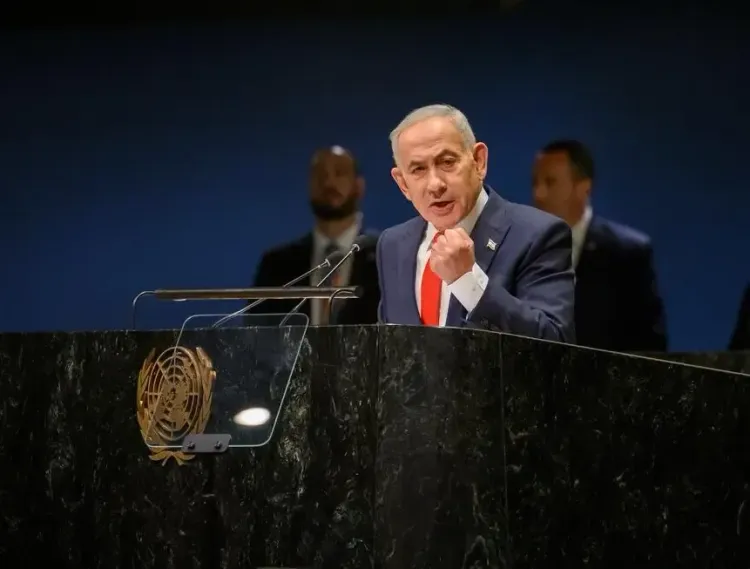
Benjamin Netanyahu addressed the UN General Assembly on 25 September 2026 , defending the joint Israeli-US bombing of Iran that killed Supreme Leader Ali Khamenei .
Iran responded by blocking the Strait of Hormuz , disrupting 20 per cent of global petroleum and gas supplies and triggering an international economic crisis.
An estimated 70,000 people are said to have died in Gaza since Israel's military campaign began following the Hamas attack of October 2023 .
Delegates from dozens of countries walked out as Netanyahu took the podium; he shouted 'Cowards' at the departing diplomats.
Netanyahu rejected genocide accusations as 'the greatest lie of the century' and described Israel as fighting on seven fronts .
He attacked Türkiye's President Erdoğan as a 'tyrant' and accused Western leaders of succumbing to 'antisemitic mobs.'
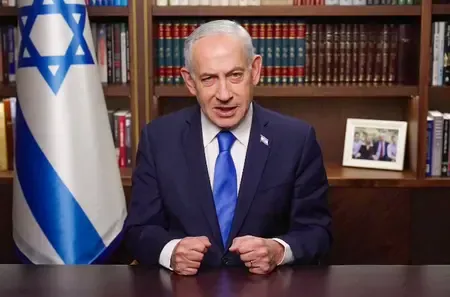
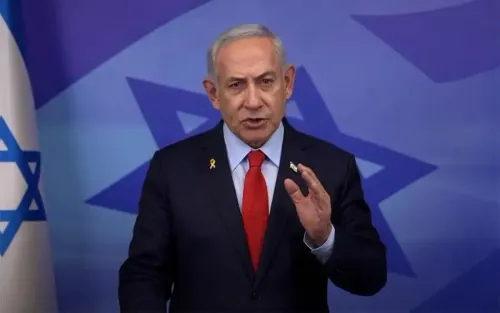
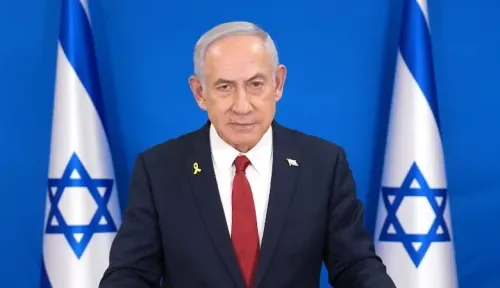
Israeli Prime Minister Benjamin Netanyahu delivered a defiant address to the United Nations General Assembly on Thursday, 25 September 2026, forcefully defending Israel's bombing of Iran and rejecting accusations of genocide in Gaza as what he called 'the greatest lie of the century.' His speech came against a backdrop of a deepening regional conflict that has drawn in multiple state and non-state actors across the Middle East.
Netanyahu on the Iran Strike
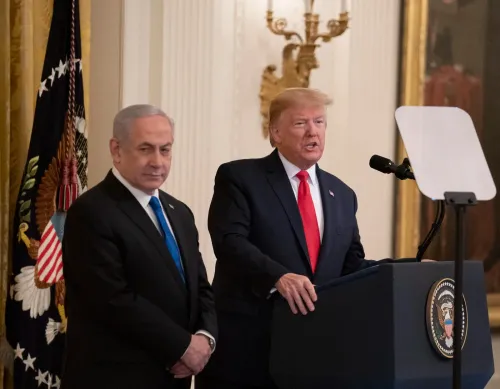
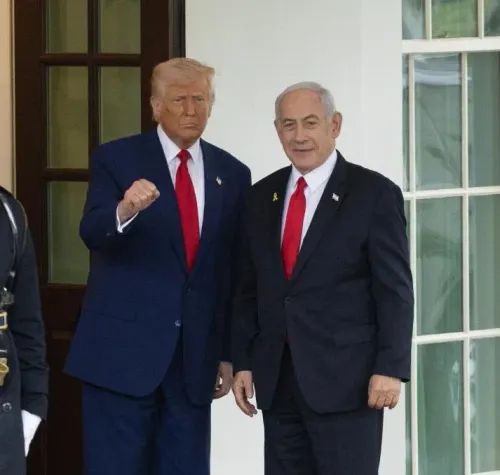
Defending the joint Israeli-American military campaign that killed Iranian Supreme Leader Ali Khamenei and several other senior Iranian figures, Netanyahu declared: 'If we hadn't done it, we'd all be dead.' He framed the operation as a civilisational imperative, stating, 'Israel and America acted together, not only to protect ourselves, but to save civilization.' He singled out US President Donald Trump as Israel's most consequential ally, saying, 'In this battle against the barbarians, we've had no greater partner than President Trump.'
The strike, however, triggered a severe geopolitical consequence: Iran subsequently moved to block the Strait of Hormuz, choking off an estimated 20 per cent of global petroleum and gas supplies that transit the waterway. The resulting energy disruption has set off an economic crisis affecting multiple countries, and the US and its allies have so far been unable to bring the broader conflict to a close.
Walkout, Confrontation, and the Gaza Genocide Charge
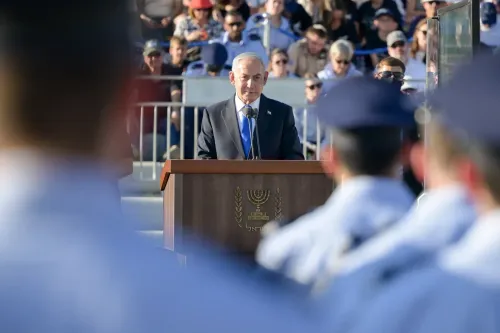
As Netanyahu approached the podium, delegates from dozens of countries staged a walkout in protest. He responded by shouting at the departing diplomats, 'Cowards.' His supporters in the hall countered with chants of 'Am Yisrael Chai' — Hebrew for 'Nation of Israel Lives.' The dramatic scenes underscored the deep international divisions over Israel's conduct in the war.
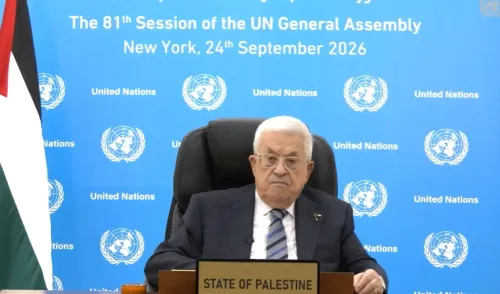
Palestinian President Mahmoud Abbas, who spoke before Netanyahu, had accused Israel of waging a 'genocidal war' in Gaza, where, according to reports, approximately 70,000 people are said to have died in Israel's military response since the Hamas attack of October 2023. Netanyahu flatly rejected the charge, asking rhetorically whether a 'genocidal regime' would have administered 'a million polio vaccinations' to the Palestinian population or enabled the distribution of 'two million tons of food' in Gaza.
The Seven-Front War Narrative
Netanyahu portrayed Israel as fighting simultaneously on seven fronts — against Hamas, Hezbollah, the Houthis, Iran, militias in Iraq, militias in Syria, and Palestinian armed groups in the West Bank. 'They all ganged up on us to wipe us off the face of the Earth. They failed,' he asserted. Recalling the October 2023 Hamas assault, he said, 'We didn't collapse. Instead, we rose and fought like lions.'
Attacks on World Leaders and Western Governments
Netanyahu also took aim at Türkiye's President Recep Tayyip Erdoğan, labelling him 'a tyrant who also hosts the Hamas terror chiefs.' He accused leaders of Western nations of having 'chosen to succumb to the antisemitic mobs,' and charged that 'many in the free world are afraid to defend freedom.' On West Bank settler violence — which several countries have cited in imposing limited sanctions on Israeli products from the territory, including the United Kingdom most recently — he dismissed the perpetrators as 'a handful of juvenile delinquents,' while asserting that Israel is a country of law and that he does not tolerate such actions.
What Comes Next
With the Strait of Hormuz blockade continuing to squeeze global energy markets and diplomatic efforts to end the conflict stalled, the international community faces mounting pressure to find a viable path to de-escalation. Netanyahu's speech offered no concessions and signalled Israel's intent to continue on its current course, leaving the prospects for a ceasefire or negotiated settlement deeply uncertain.
Point of View
Turning a regional military campaign into a global economic shock that neither the US nor its allies have a clear strategy to resolve. The genocide debate will not be settled by Netanyahu's polio-vaccination rebuttal; the 70,000 death toll in Gaza ensures it will follow Israel into every multilateral forum for years. Most strikingly, the speech contained no off-ramp — which either reflects strategic confidence or an absence of one.
NationPress
25 Sept 2026
Frequently Asked Questions
What did Netanyahu say at the UN General Assembly on 25 September 2026?
Netanyahu defended the Israeli-US bombing of Iran — which killed Supreme Leader Ali Khamenei — as essential to preventing Israel's destruction, saying 'If we hadn't done it, we'd all be dead.' He also rejected accusations of genocide in Gaza and described Israel as fighting on seven simultaneous fronts.
Why did delegates walk out during Netanyahu's speech?
Delegates from dozens of countries staged a walkout as Netanyahu approached the podium, in protest over Israel's military conduct in Gaza and its operations in Iran. Netanyahu responded by shouting 'Cowards' at the departing diplomats.
What is the Strait of Hormuz blockade and why does it matter?
After Israel and the US bombed Iran, Iran retaliated by blocking the Strait of Hormuz, through which approximately 20 per cent of global petroleum and gas supplies pass. The blockade has triggered an economic crisis affecting multiple countries and remains unresolved.
How did Netanyahu respond to genocide accusations over Gaza?
Netanyahu called the genocide accusation 'the greatest lie of the century,' arguing that a genuinely genocidal regime would not have administered a million polio vaccinations to Palestinians or facilitated the distribution of two million tons of food in Gaza. Palestinian President Mahmoud Abbas had made the genocide charge in his own address to the Assembly.
What is the current state of the conflict in Gaza?
According to reports, approximately 70,000 people are said to have died in Gaza since Israel launched its military campaign following the Hamas attack of October 2023. The US and its allies have so far been unable to broker a ceasefire or bring the broader regional conflict to an end.