ODNI Director Clayton: No Evidence of Cyberattack in Tech Outages
Synopsis
ODNI Director Jay Clayton told Congress on November 18, 2026, that recent U.S. technology outages show no evidence of a coordinated cyberattack or state-sponsored activity, as the White House moved to publicly reassure lawmakers, markets, and allies.
Key Takeaways
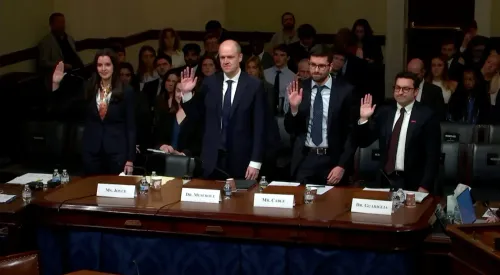
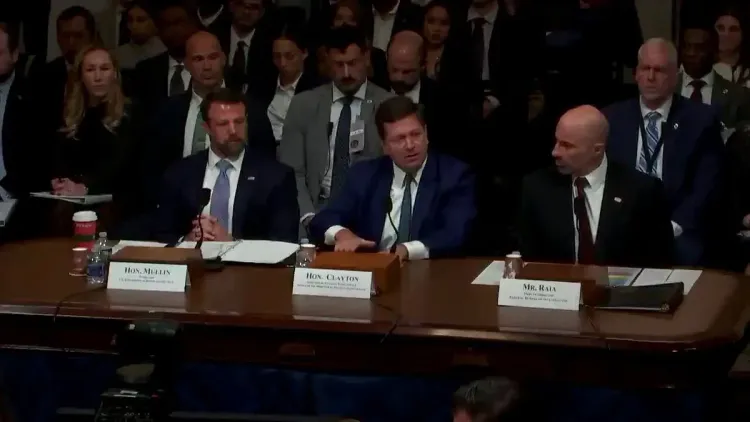
Jay Clayton , Director of the Office of the Director of National Intelligence (ODNI) , testified before Congress on November 18, 2026 .
Clayton stated: 'We have no evidence that this is a coordinated cyberattack or state-sponsored activity' regarding recent tech outages.
The ODNI is the highest-level U.S. intelligence body advising the President, making this assessment the most authoritative public statement possible.
The finding does not close the investigation — it rules out the most dangerous hypothesis at this stage, not all causes.
The 2020 SolarWinds compromise established the precedent for careful, public attribution statements to prevent diplomatic escalation.
Congressional committees are expected to seek follow-up briefings as technical forensics into the outages continue.
The United States intelligence community moved quickly to cool alarm on Wednesday, as Jay Clayton, Director of the Office of the Director of National Intelligence (ODNI), told Congress that recent widespread technology outages show no fingerprints of a hostile foreign power. The statement, shared by The White House on Wednesday, November 18, 2026, is a rare, deliberate act of public reassurance — drawing a sharp line between disruption and attack.
Director Clayton's words to lawmakers were precise: 'We have no evidence that this is a coordinated cyberattack or state-sponsored activity.' In the high-stakes grammar of intelligence briefings, that phrasing matters enormously. It does not say the outages were benign or fully explained — only that the most dangerous hypothesis, a nation-state offensive, has not been confirmed by available intelligence.
Why Congress Needed to Hear It First
When critical technology infrastructure fails at scale, the first instinct in Washington — and in markets — is to look for a foreign hand. The ODNI, which sits atop the U.S. Intelligence Community and advises the President directly, is the authoritative body to make that call. By dispatching its Director to Capitol Hill, the White House signalled that the matter warranted the highest level of transparency, not a quiet agency bulletin. This is not without precedent. After the 2020 SolarWinds supply-chain compromise — one of the most consequential cyberespionage operations ever uncovered — ODNI and partner agencies issued careful public assessments that distinguished what was known, what was suspected, and what remained unattributed. That episode taught Washington a hard lesson: premature attribution to a foreign actor can inflame diplomatic tensions and trigger responses based on faulty premises. Clayton's testimony follows the same disciplined playbook.What 'No Evidence' Actually Means in Intelligence Language
In the intelligence community, a statement that something 'cannot be confirmed' or that there is 'no evidence' is calibrated, not conclusive. It reflects the picture at the moment of testimony — not a permanent verdict. Investigations into technical outages can take weeks or months to fully characterise, especially when supply chains, cloud infrastructure, or third-party vendors are involved. The distinction also carries immediate practical weight. A confirmed state-sponsored attack would trigger a cascade of responses — diplomatic protests, potential sanctions, heightened military posture, and mandatory Congressional notifications under cyber-incident frameworks. By ruling that threshold out for now, Clayton's testimony effectively tells agencies, markets, and allies: respond proportionally, not on a war footing.What Investigators and Committees Will Watch Next
The ODNI's current assessment does not close the file. Congressional oversight committees are likely to request follow-up briefings as technical forensics mature. The broader question — whether U.S. infrastructure is resilient enough to withstand the kind of cascading failures that can mimic an attack's effects, regardless of cause — will almost certainly surface in upcoming hearings on cyber resilience. For India and other technology-dependent allies, the episode is a reminder of how quickly ambiguity around a major outage can escalate into a geopolitical moment. The speed with which the White House chose to publicise Clayton's testimony suggests the administration is acutely aware of that risk — and chose transparency as its first weapon.Point of View
Rather than a flat denial, reflects how the intelligence community hedges against future revision while still delivering a usable public signal. This approach traces directly to the post-SolarWinds doctrine of calibrated attribution, which reshaped how Washington communicates about cyber incidents. The episode also underscores a growing pattern: in an era of interconnected infrastructure, an unexplained outage now carries geopolitical weight almost instantly, forcing intelligence chiefs into roles that once belonged exclusively to press secretaries.
NationPress
18 Nov 2026
Frequently Asked Questions
What did ODNI Director Jay Clayton tell Congress about the tech outages?
Director Jay Clayton told Congress that there is 'no evidence' the recent technology outages in the United States were the result of a coordinated cyberattack or state-sponsored activity, as stated in testimony shared by the White House on November 18, 2026 .
What is the ODNI and why does its statement matter?
The Office of the Director of National Intelligence (ODNI) coordinates all 18 U.S. intelligence agencies and advises the President directly. Its director's public statements on attribution carry the highest official weight, making Clayton's testimony the most authoritative assessment available on the outages.
Does 'no evidence of cyberattack' mean the tech outages are explained?
Not necessarily. In intelligence language, 'no evidence' reflects the current picture at the time of testimony. Investigations can take weeks or months; the statement rules out the state-sponsored-attack hypothesis for now but does not identify the definitive cause of the outages.
Why did the White House publicise this congressional testimony?
By sharing Clayton's remarks publicly, the White House aimed to prevent speculation and market panic. Ambiguity around a large-scale tech failure can quickly fuel geopolitical tensions, so the administration chose proactive transparency to anchor the public narrative.
What happens if future evidence points to a state-sponsored cyberattack?
A confirmed state-sponsored attack would trigger a range of U.S. responses, including diplomatic protests, potential sanctions, heightened military posture, and mandatory congressional notifications under existing cyber-incident response frameworks — making the current 'no evidence' finding consequential in its own right.