Pahalgam Terror Attack Remembered at Capitol Hill: 19 US Lawmakers Attend India Exhibition
Synopsis
On the first anniversary of the Pahalgam massacre that killed 26 civilians, India's Embassy in Washington hosted a landmark Capitol Hill exhibition attended by 19 U.S. Congress members and 60+ Congressional offices — transforming a tragedy into a powerful diplomatic call for global counterterrorism action.
Key Takeaways
26 civilians were killed in the Pahalgam terror attack in April 2024 in Jammu and Kashmir , targeting tourists in the Baisaran meadow area.
The Indian Embassy in Washington hosted a first-anniversary exhibition on April 22, 2025 , at the Cannon Caucus Room, Capitol Hill — one of its largest-ever events in the U.S.
Congress members from both parties attended, along with representatives from over 60 Congressional offices , including lawmakers from key committees on Foreign Affairs, Intelligence, and Homeland Security.
Ambassador Vinay Kwatra declared that India will never bow to any form of terror, reaffirming India's commitment to counterterrorism.
The exhibition used interactive displays, videos, and personal testimonials to document the human cost of the attack on victims, families, and communities.
Counterterrorism cooperation remains a central pillar of the India-U.S. strategic partnership , with India also pushing globally for action against terror financing and safe havens.
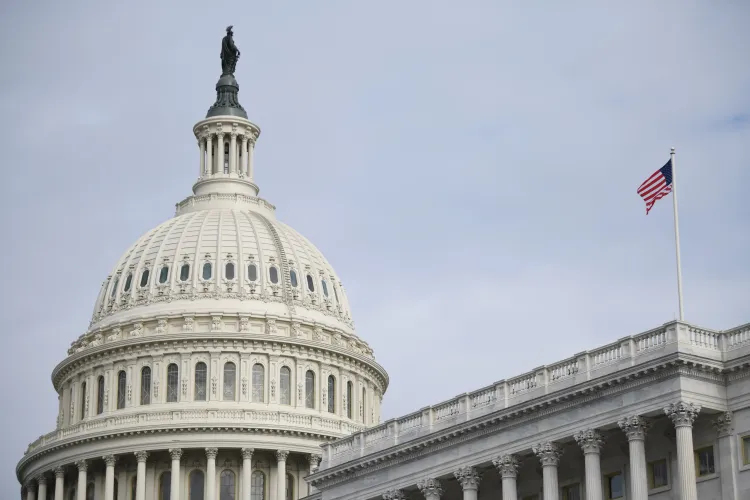
Washington, April 23 — The Indian Embassy in Washington brought the devastating human toll of the Pahalgam terror attack to the heart of American democracy on April 22, hosting a landmark exhibition at the Cannon Caucus Room, Cannon House Office Building, on Capitol Hill. The event marked the first anniversary of the attack in Pahalgam, Jammu and Kashmir, in which 26 civilians were killed, drawing bipartisan support from U.S. lawmakers and senior administration officials.
A Historic Gathering on Capitol Hill
The exhibition was described as one of the largest events ever organised by the Embassy of India on Capitol Hill. Nineteen members of the U.S. Congress, representing both major political parties, attended the event, alongside representatives from more than 60 Congressional offices.
Lawmakers associated with some of Washington's most powerful committees were present — including those overseeing Foreign Affairs, Intelligence, Armed Services, Judiciary, and Homeland Security. Their presence signalled the high strategic importance the U.S. places on counterterrorism cooperation with India.
Beyond legislators, the gathering included senior U.S. administration officials, members of the Indian diaspora, students, journalists, and representatives from prominent think tanks — underscoring the broad coalition of stakeholders invested in the India-U.S. counterterrorism partnership.
What the Exhibition Showcased
The exhibition featured interactive displays, video testimonials, and personal accounts from survivors and affected families. These elements documented not just the immediate violence of the attack but also its long-term psychological, social, and economic impact on individuals and communities.
The curated displays were designed to humanise the statistics — putting faces and stories to the 26 lives lost in the April 2024 Pahalgam massacre. The Embassy stated that the initiative was intended as both a tribute to the victims and a call to action for the international community to strengthen its resolve against terrorism in all its forms.
Ambassador Kwatra's Strong Message
India's Ambassador to the United States, Vinay Kwatra, delivered a firm address at the event, reaffirming New Delhi's zero-tolerance stance on terrorism. Echoing the words of Prime Minister Narendra Modi, he declared: India will never bow to any form of terror.
Ambassador Kwatra's remarks underscored India's consistent diplomatic push to internationalise the fight against cross-border terrorism — a campaign that has gained renewed urgency following the Pahalgam attack, which targeted unarmed tourists in one of India's most scenic valleys.
Bipartisan US Solidarity and Strategic Implications
Members of Congress from across the political aisle expressed strong solidarity with India, highlighting the importance of deepening the India-U.S. strategic partnership in counterterrorism. The bipartisan nature of their participation reflects a rare consensus in a deeply divided Washington that terrorism targeting civilians demands a unified global response.
This comes amid a broader recalibration of U.S. foreign policy in South Asia, where India is increasingly viewed as a critical partner in regional stability. The exhibition served as a diplomatic tool to reinforce this alignment, particularly on issues of terror financing, safe havens for terrorist groups, and cross-border militancy.
Notably, India has long advocated at the United Nations for a Comprehensive Convention on International Terrorism, which has been stalled for decades due to geopolitical disagreements. Events like this Capitol Hill exhibition are part of a sustained effort to build international pressure and consensus on the issue.
Broader Context: Why Pahalgam Matters Globally
The Pahalgam attack of April 2024 was among the deadliest strikes on civilians in Jammu and Kashmir in recent years. It targeted tourists in the Baisaran meadow area, sending shockwaves not only through India but also through the global travel and security community.
The attack reignited debates about the security situation in the Kashmir Valley and the role of Pakistan-based terror outfits. India has consistently pointed to cross-border linkages while demanding accountability from the international community. The Capitol Hill exhibition represents a strategic move to keep global attention focused on the victims and the unresolved threat of terrorism emanating from the region.
As the India-U.S. defence and intelligence partnership continues to deepen — evidenced by recent QUAD engagements and bilateral security dialogues — counterterrorism is expected to remain a central pillar of the relationship in the months ahead.
Point of View
India is doing what it has long struggled to do: internationalise the Kashmir terror narrative on its own terms. The bipartisan attendance of 19 U.S. lawmakers signals that Washington's consensus on India as a counterterrorism partner is hardening — a shift with real consequences for how the U.S. frames its South Asia policy. What the mainstream narrative often misses is that these soft-power exhibitions, combined with India's push at the UN, form a long-game strategy to isolate state sponsors of terrorism diplomatically.
NationPress
3 Oct 2026
Frequently Asked Questions
What was the Pahalgam terror attack?
The Pahalgam terror attack occurred in April 2024 in the Baisaran meadow area of Pahalgam, Jammu and Kashmir, killing 26 civilians, most of whom were tourists. It was one of the deadliest attacks on civilians in the Kashmir Valley in recent years.
Why was an exhibition about the Pahalgam attack held at Capitol Hill?
The Indian Embassy in Washington hosted the exhibition on April 22, 2025, to mark the first anniversary of the attack and to build international solidarity against terrorism. The event aimed to renew global resolve and strengthen the India-U.S. counterterrorism partnership.
How many U.S. Congress members attended the Pahalgam exhibition?
19 members of the U.S. Congress attended the exhibition at the Cannon Caucus Room on Capitol Hill, along with representatives from more than 60 Congressional offices. Lawmakers from Foreign Affairs, Intelligence, Armed Services, Judiciary, and Homeland Security committees were present.
What did India's Ambassador Vinay Kwatra say at the Capitol Hill event?
Ambassador Vinay Kwatra reaffirmed India's zero-tolerance stance on terrorism, stating that India will never bow to any form of terror, echoing Prime Minister Narendra Modi's position. He underlined New Delhi's commitment to counterterrorism cooperation with the United States.
What is India's broader strategy on global counterterrorism?
India has consistently pushed for stronger global measures against terrorism, including action against terror financing and dismantling safe havens. India has also long advocated for the UN's Comprehensive Convention on International Terrorism and uses diplomatic events like this exhibition to build international consensus.