Pakistan minorities face forced conversions, blasphemy abuse 15 years after Bhatti killing
Synopsis
Fifteen years after the murder of Shahbaz Bhatti, Pakistan's minorities are still marching for rights they were promised in 1947. With over 2,000 protesters at Jinnah's own mausoleum and USCIRF recommending fresh sanctions, the gap between Pakistan's constitutional pledge and its ground reality has never been harder to ignore.
Key Takeaways
Shahbaz Bhatti , Pakistan's first Catholic federal minister for minorities, was assassinated in Islamabad on 2 March 2011 for opposing blasphemy laws.
Minority communities — Christians , Hindus , and Ahmadis — continue to face forced conversions, abductions, child marriages, and blasphemy law misuse, according to a PJ Media report.
More than 2,000 protesters gathered at Jinnah's mausoleum in Karachi during the annual Minority Rights March , demanding criminalisation of forced conversions.
The USCIRF 2026 annual report recommends redesignating Pakistan as a Country of Particular Concern (CPC) for 'systematic, ongoing, and egregious' religious freedom violations.
USCIRF has called for targeted sanctions — asset freezes and US entry bans — on Pakistani officials responsible for religious freedom abuses.
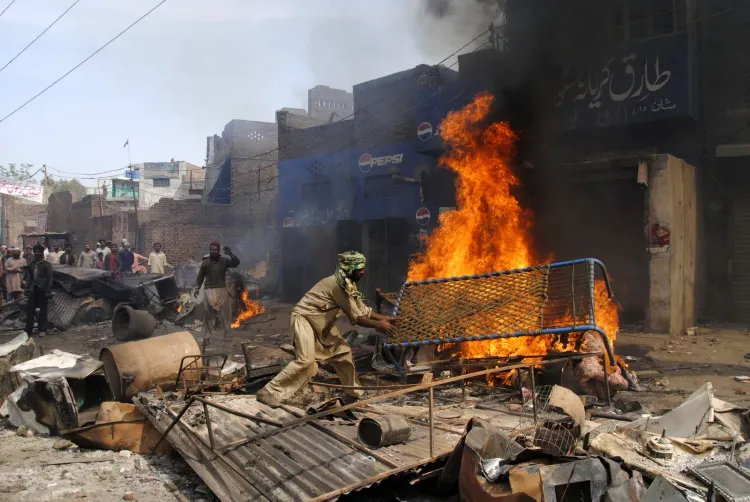
Fifteen years after the assassination of Shahbaz Bhatti — Pakistan's first Catholic federal minister for minorities and a leading advocate for religious freedom — minority communities including Christians, Hindus, and Ahmadis continue to face discrimination, attacks on places of worship, abductions, forced conversions, child marriages, and the systematic misuse of the country's blasphemy laws, according to a report published in PJ Media by Turkish journalist Uzay Bulut.
Background: The Promise and the Persecution
Pakistan's National Minorities Day, observed on 11 August, was declared in 2009 following a campaign led by Bhatti himself. The date marks Muhammad Ali Jinnah's address to Pakistan's Constituent Assembly on 11 August 1947, in which the country's founder declared that citizens were free to practise their religion and that faith should bear no relevance to equal citizenship. Decades later, critics argue that promise remains largely unfulfilled.
Bhatti was assassinated in Islamabad on 2 March 2011, after vocally opposing Pakistan's blasphemy laws — statutes that carry the death penalty for insulting Islam or the Prophet Mohammed. According to the report, two assailants fired on his car, striking him at least eight times, and scattered pamphlets describing him as a 'Christian infidel', signed 'Taliban al-Qaida Punjab'. His killing came just two months after the assassination of Punjab Governor Salmaan Taseer, who had similarly criticised the misuse of blasphemy laws.
Minority Rights March 2025: Demands on the Streets
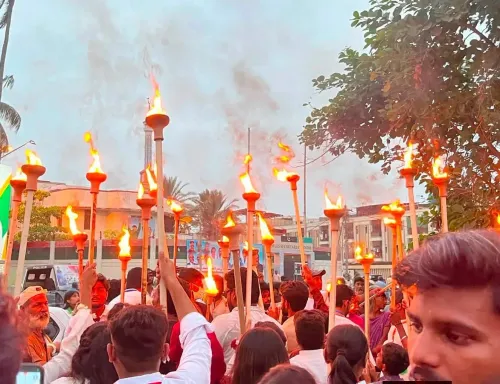
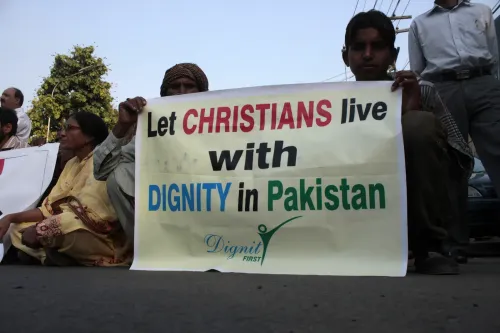
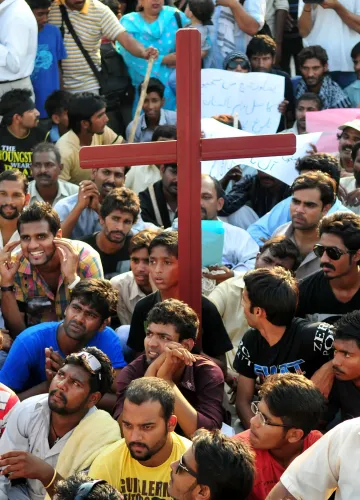
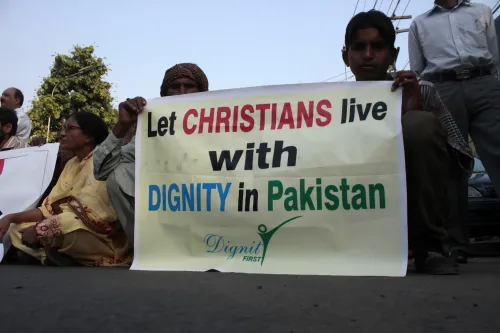
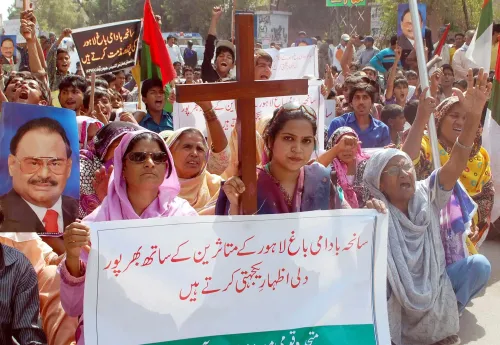
Last week, members of religious minority communities and civil society activists participated in the annual Minority Rights March across three major Pakistani cities to mark National Minorities Day. Protesters called on the government to criminalise forced conversions and to amend personal laws governing interfaith marriages, seeking stronger protections for minority spouses and children.
In Karachi, more than 2,000 protesters gathered at Jinnah's mausoleum, holding placards reading 'My religion, my will' and displaying photographs of victims of mob lynchings, forced conversions, blasphemy-related violence, and the killing of Christian leaders. Demonstrators also pressed for acceptance of an 11-point charter of demands, including robust safeguards against forced conversions and protection from blasphemy law abuse.
USCIRF Recommends Pakistan as Country of Particular Concern
The 2026 annual report of the US Commission on International Religious Freedom (USCIRF) recommended redesignating Pakistan as a Country of Particular Concern (CPC), citing 'systematic, ongoing, and egregious violations of religious freedom.' The commission called on the US government to impose targeted sanctions on Pakistani officials and government agencies responsible for severe religious freedom violations — including freezing assets and barring entry into the United States.
USCIRF further urged the US to enter into a binding agreement with the Pakistani government under Section 405(c) of the International Religious Freedom Act (IRFA) to encourage substantial steps addressing violations of freedom of religion or belief.
The Broader Pattern
These abuses, the report notes, stand in direct violation of Pakistan's own constitutional guarantees of equal citizenship. Notably, this is not an isolated assessment — Pakistan has appeared on USCIRF's watch list or CPC designation repeatedly over the past decade, and each cycle has produced similar findings without significant structural reform. The persistence of blasphemy law misuse, combined with state inaction on forced conversions, signals a systemic failure rather than isolated incidents. How Islamabad responds to the latest USCIRF recommendations will be closely watched by human rights organisations and the international community.
Point of View
Civilian or military, because repealing them carries a domestic political cost no Islamabad establishment has been willing to bear. USCIRF's CPC recommendation is not new; Pakistan has orbited that designation for years without triggering the binding US response the commission now explicitly demands. The real question is whether Washington will move beyond recommendations to actual sanctions — and whether that external pressure can achieve what fifteen years of domestic civil society marching has not.
NationPress
6 Oct 2026
Frequently Asked Questions
Who was Shahbaz Bhatti and why was he assassinated?
Shahbaz Bhatti was Pakistan's first Catholic federal minister for minorities and a prominent advocate for religious freedom. He was assassinated in Islamabad on 2 March 2011 after vocally opposing Pakistan's blasphemy laws, which carry the death penalty for insulting Islam or the Prophet Mohammed.
What abuses do Pakistan's religious minorities face today?
According to the PJ Media report citing multiple sources, minorities including Christians, Hindus, and Ahmadis face discrimination, attacks on places of worship, abductions, forced conversions, child marriages, and the misuse of blasphemy laws — all of which reportedly continue despite Pakistan's constitutional guarantee of equal citizenship.
What did the USCIRF recommend about Pakistan in 2026?
The US Commission on International Religious Freedom's 2026 annual report recommended redesignating Pakistan as a Country of Particular Concern (CPC) for 'systematic, ongoing, and egregious violations of religious freedom.' It also called for targeted sanctions, including asset freezes and US entry bans, on Pakistani officials responsible for these violations.
What did protesters demand at the Minority Rights March in Karachi?
More than 2,000 protesters gathered at Jinnah's mausoleum in Karachi, demanding that the government criminalise forced conversions, amend interfaith marriage laws to protect minority spouses and children, and accept an 11-point charter of demands that includes stronger safeguards against blasphemy law misuse.
What is Pakistan's National Minorities Day and when is it observed?
Pakistan's National Minorities Day is observed on 11 August each year. It was declared in 2009 following a campaign by Shahbaz Bhatti, and commemorates Muhammad Ali Jinnah's 11 August 1947 address to the Constituent Assembly, in which he declared that religion should have no bearing on equal citizenship.