Pakistan: Most of 333 blasphemy cases in 5 years were fabricated, officials tell Senate
Synopsis
Pakistan's own provincial officials have confirmed before a Senate human rights committee that most of 333 blasphemy cases filed over five years were false — and that Christians and other minorities bore the brunt. With the VOPM calling out institutional failure and citing the Rimsha Masih case, the data puts the Pakistani state's inaction on record in its own parliament.
Key Takeaways
Pakistani provincial officials told the Senate's Functional Committee on Human Rights that most of 333 blasphemy cases filed across four provinces in five years were false .
Punjab recorded the highest caseload with 116 cases under Section 295-C ; Sindh followed with 125 cases across two sub-sections.
Officials stated that allegations were frequently tied to personal vendettas, family disputes , and property conflicts — not genuine religious grievances.
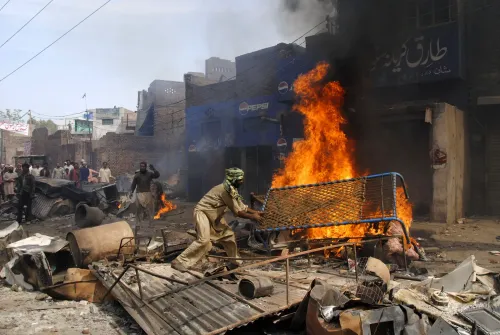
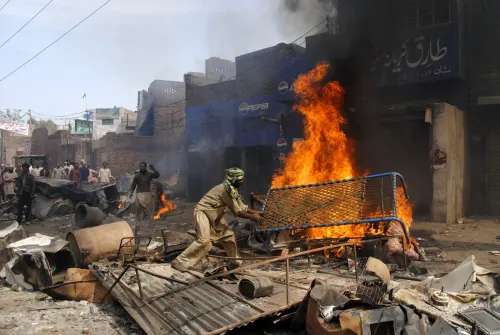
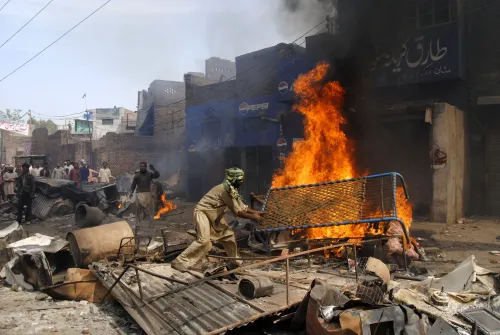
The Voice of Pakistan Minority (VOPM) on 22 July accused Pakistan of failing to prevent misuse of blasphemy laws, citing mob violence and institutional inaction.
The case of Rimsha Masih , a Christian girl with Down syndrome whose blasphemy accusation was reportedly fabricated, was cited as a symbol of systemic failure.
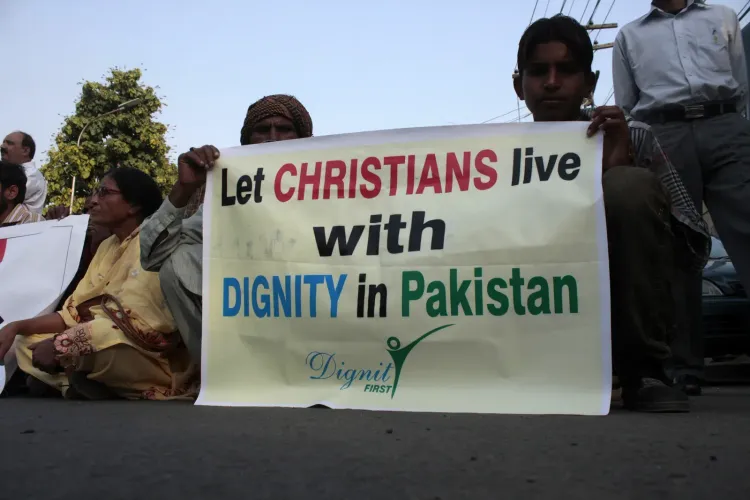
Pakistani provincial officials have told a Senate committee that the majority of 333 blasphemy cases filed across the country's four provinces over the past five years were false, with religious minorities — including Christians — disproportionately targeted. The disclosure, made before the Senate's Functional Committee on Human Rights, has intensified scrutiny of Pakistan's blasphemy laws, long criticised by human rights organisations as instruments of persecution.
Province-wise Breakdown of Cases
Punjab recorded the highest number of blasphemy cases, with 116 cases filed under Section 295-C of the blasphemy law over five years. Sindh followed with 96 cases under Section 295-B and an additional 29 cases under Section 295-C. Khyber Pakhtunkhwa reported over 90 cases during the same period, while Balochistan recorded 28 cases.
Provincial home secretaries and senior police officers, presenting official data to the committee, stated that in many of these cases, investigations found no substantive evidence to support the accusations, leading to their eventual dismissal.
Personal Vendettas and Property Disputes Drive False Cases
According to provincial officials, blasphemy allegations were frequently rooted in personal vendettas, family disputes, and private conflicts rather than genuine religious grievances. The pattern, they acknowledged, reflects a systemic misuse of laws that carry severe penalties — including the death penalty under Section 295-C — to settle scores or seize property.
Human rights groups and legal experts have long argued that Pakistan's blasphemy statutes are structurally prone to abuse, offering accusers near-impunity while placing the accused in immediate physical danger from mob violence even before any court ruling.
Minority Rights Groups Raise Alarm
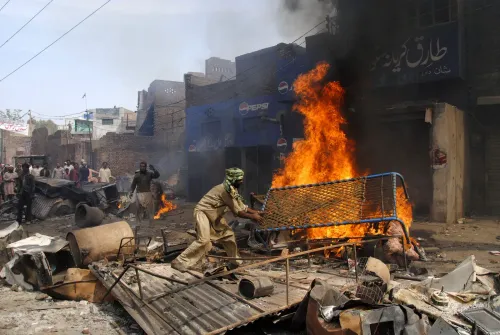
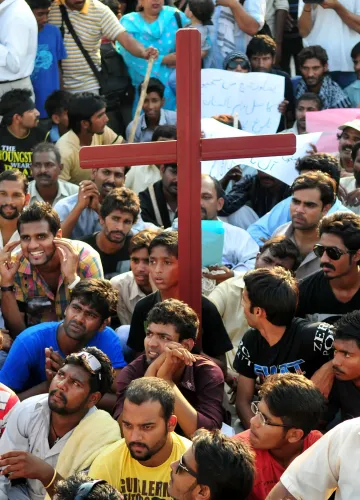
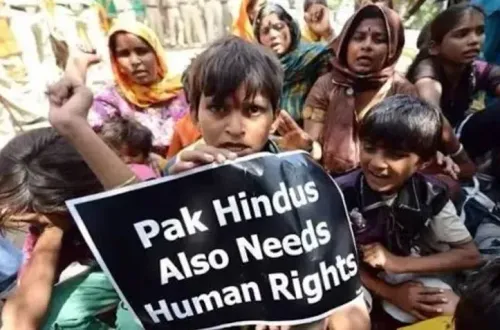
On 22 July, the Voice of Pakistan Minority (VOPM) formally accused the Pakistani state of failing to curb the misuse of blasphemy laws. The group described blasphemy legislation as among Pakistan's most 'controversial issues', citing a pattern of false allegations, widespread mob violence against the accused, and institutional failure to protect minorities from the consequences.
'The judiciary and law enforcement agencies have repeatedly been criticised for failing to act strongly against those who misuse blasphemy allegations. When false accusers or those who manipulate religious emotions are not held accountable, it sends a dangerous message that such actions can continue without consequences. This lack of accountability weakens public trust in the legal system,' the VOPM stated.
The Case of Rimsha Masih
The VOPM cited the case of Rimsha Masih, a Pakistani Christian girl with Down syndrome, as emblematic of the system's failures. Masih was accused of desecrating the Quran, but subsequent evidence reportedly indicated that the allegations were 'fabricated'. While she was eventually released, her family faced severe pressure, and the case drew international attention to how swiftly an accused person can be endangered before a court examines the facts.
The VOPM noted that one of the most critical systemic failures has been the inability of Pakistan's justice system to protect the innocent from false accusations — and to hold those who weaponise blasphemy laws accountable.
What Happens Next
The Senate committee's proceedings are expected to inform legislative debate on potential reforms to Pakistan's blasphemy framework, though any substantive amendment faces significant political and religious resistance. Rights groups are pressing for accountability mechanisms for false accusers and stronger protections for the accused during the investigative phase.
Point of View
Official admissions in committee rooms will not translate into safety for minorities on the ground. The Rimsha Masih case was not an outlier — it was a preview.
NationPress
27 Jul 2026
Frequently Asked Questions
How many blasphemy cases were filed in Pakistan in the past five years?
A total of 333 blasphemy cases were filed across Pakistan's four provinces — Punjab, Sindh, Khyber Pakhtunkhwa, and Balochistan — over the past five years. Provincial officials told the Senate's Functional Committee on Human Rights that the majority of these cases were false.
Which province recorded the most blasphemy cases in Pakistan?
Punjab recorded the highest number, with 116 cases filed under Section 295-C of the blasphemy law over five years. Sindh followed with 96 cases under Section 295-B and 29 under Section 295-C.
Why are Pakistan's blasphemy laws considered controversial?
Pakistan's blasphemy laws, particularly Sections 295-B and 295-C — which carry penalties up to death — are widely criticised by human rights groups and legal experts for being misused to settle personal scores, seize property, and target religious minorities. Officials themselves have acknowledged that many accusations lack evidentiary support.
Who is Rimsha Masih and why is her case significant?
Rimsha Masih is a Pakistani Christian girl with Down syndrome who was accused of desecrating the Quran. Subsequent evidence reportedly indicated the allegations were fabricated. Her case became internationally significant as an example of how the accused can face mob danger and family trauma before a court even examines the facts.
What is the Voice of Pakistan Minority (VOPM) calling for?
The VOPM has called on Pakistani institutions to curb the misuse of blasphemy laws, hold false accusers accountable, and protect religious minorities from mob violence and institutional failure. The group stated that the absence of accountability for those who weaponise blasphemy allegations undermines public trust in the legal system.