Pakistan's 1971 shadow: Can Islamabad avoid repeating history's fatal mistakes?
Synopsis
Pakistan's political-military establishment is drawing uncomfortable comparisons to 1971 — the year its refusal to honour democratic mandates split the nation. With Balochistan seething, Khyber Pakhtunkhwa scarred by decades of counterinsurgency, and PoJK under reported violent repression, analysts say the pattern of centralised coercion over federal dialogue is dangerously familiar. The question is whether Islamabad will read the warning signs this time.
Key Takeaways
Analysts warn Pakistan 's internal crises parallel conditions that led to the 1971 secession of East Pakistan and the formation of Bangladesh .
Balochistan , Pakistan's largest but least developed province, faces ongoing military operations amid persistent resource exploitation grievances.
Khyber Pakhtunkhwa remains politically marginalised, with Pashtun integration into mainstream politics described as incomplete.
Reports from Pakistan-occupied Jammu and Kashmir (PoJK) cite protests, boycotts, alleged rigged elections, and several deaths following use of force by authorities.
In 1971 , Islamabad's refusal to honour the Awami League 's electoral majority and its subsequent military crackdown directly caused civil war and national partition.
Analysts say genuine dialogue, inclusion, and structural reform are the only alternatives to a repeat of history's most costly mistake.
Analysts warn that Pakistan's deepening internal crises — spanning political polarisation, economic deterioration, and provincial unrest — bear an unsettling resemblance to the conditions that led to the secession of East Pakistan and the creation of Bangladesh in 1971. The choices made in Islamabad today, according to observers, could determine whether the country charts a new course or repeats a catastrophic historical error.
Political Polarisation and Institutional Erosion
Pakistan's political landscape has descended into a zero-sum contest in which parties routinely weaponise state institutions against rivals. The judiciary, Parliament, and the Election Commission of Pakistan have all faced accusations of partisan bias, critically eroding public trust in governance. In this vacuum, the military has entrenched itself as the ultimate arbiter of political disputes — a role it has historically assumed but one that analysts argue has consistently deepened, rather than resolved, national divisions.
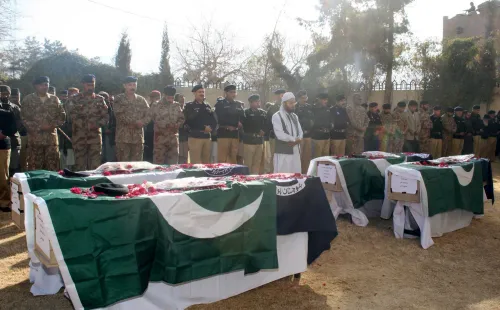
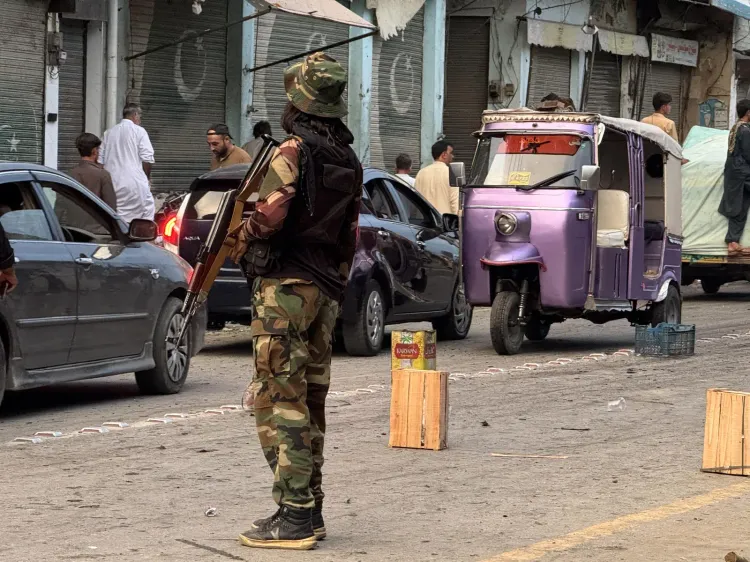
Decisions across the board are filtered through a security lens. Troop deployments in Balochistan and the suppression of dissent in urban centres have further alienated provinces that increasingly view the military as both an occupying force and an economic competitor. Critics argue that military interference in economic and diplomatic affairs is widening the disconnect between urban and rural constituencies, elites and marginalised communities, and the provinces and the federal centre.
Balochistan and Khyber Pakhtunkhwa: Grievances Left to Fester
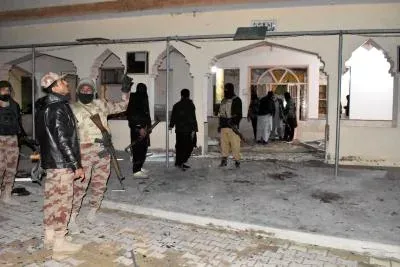
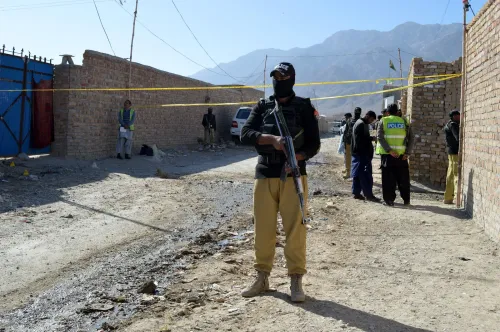
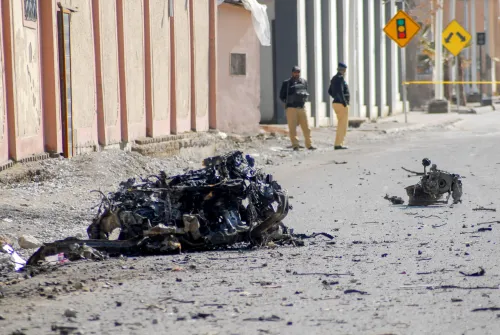
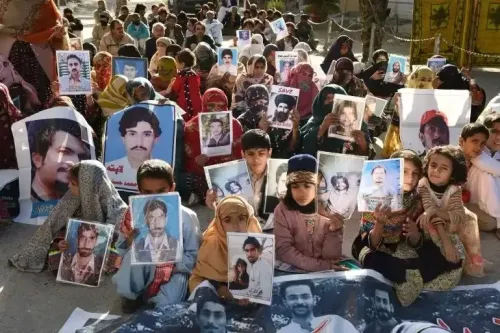
Balochistan, Pakistan's largest province by area but its least developed, has long alleged systematic exploitation. Its vast natural resources continue to flow into federal coffers while its population remains among the poorest in the country. Complaints from provincial leaders are routinely met with military operations, a pattern that has alienated civilians and fuelled sustained resentment over decades.
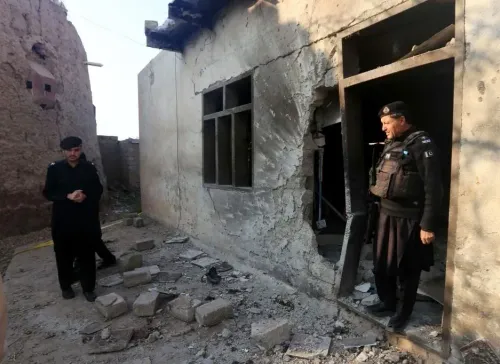
In Khyber Pakhtunkhwa, the compounded legacy of militancy and prolonged counterinsurgency campaigns has left deep social and political scars. The administrative renaming of the former North-West Frontier Province has done little to alter ground realities for the Pashtun community. Integration into mainstream national politics remains incomplete, and the province's perception of being treated as a strategic buffer zone — rather than a constituent part of the federation — persists strongly.
Pakistan-Occupied Jammu and Kashmir: A Democratic Facade Under Scrutiny
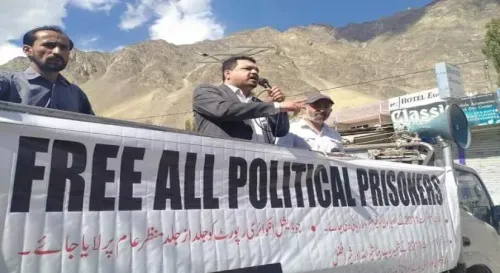
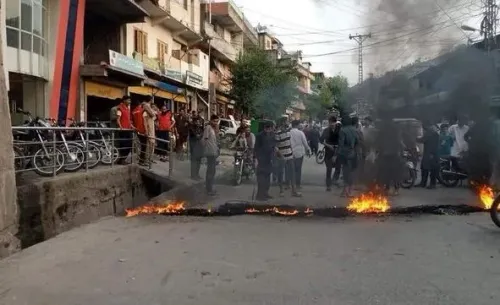
Pakistan-occupied Jammu and Kashmir (PoJK) remains gripped by protests, boycotts, and widespread allegations of rigged elections. Authorities have reportedly used force to suppress dissent, leading to several deaths in recent days, according to reports. The ongoing three-phase elections in the region have been widely dismissed by observers as a fig leaf designed to mask what critics describe as Pakistan's illegal occupation and systematic repression of the local population.
The 1971 Parallel: When Islamabad Chose Coercion Over Compromise
The historical parallel is stark. In 1971, the political-military establishment in Islamabad refused to honour the electoral mandate of the Awami League, which had won a decisive parliamentary majority. Rather than pursuing dialogue or a negotiated power-sharing arrangement, the state opted for military coercion against Bengali civilians and political leaders. That decision inflamed existing grievances, triggered a civil war, and ultimately led to the creation of an independent Bangladesh.
Analysts draw direct lines between that trajectory and current conditions. The economic disparities that stoked East Pakistan's resentment are mirrored today in Balochistan, Khyber Pakhtunkhwa, and PoJK, where calls for greater control over local resources and genuine political representation go largely unaddressed. A lack of political will, compounded by severe fiscal constraints, continues to limit Islamabad's capacity to invest in the development projects that might meaningfully ease provincial grievances.
What Comes Next: Reform or Repetition
The path forward, analysts argue, requires a fundamental shift — away from security-first governance and toward genuine dialogue, political inclusion, and structural reform. The stakes, observers warn, are nothing less than the territorial and institutional integrity of the Pakistani state itself. Whether the current political-military establishment has the will to make that shift remains, for now, an open question.
Point of View
And the current constellation of crises in Balochistan, Khyber Pakhtunkhwa, and PoJK suggests that instinct has not changed. What is missing from mainstream coverage is the economic dimension: the same centre-periphery resource extraction dynamic that embittered East Pakistan is visibly at work in Balochistan today. Islamabad's fiscal constraints make meaningful development investment unlikely in the near term, which means grievances will deepen before any political will to address them materialises — if it ever does.
NationPress
18 Sept 2026
Frequently Asked Questions
Why are analysts comparing Pakistan's current crisis to 1971?
In 1971, Pakistan's political-military establishment refused to honour the Awami League's electoral majority and launched a military crackdown on Bengali civilians, triggering a civil war that ended in the creation of Bangladesh. Analysts see parallels today in Islamabad's security-first responses to provincial grievances in Balochistan, Khyber Pakhtunkhwa, and PoJK, warning that coercion over dialogue risks a similar outcome.
What are the main grievances in Balochistan?
Balochistan is Pakistan's largest province by area but its least developed. Its natural resources flow primarily into federal coffers while its population remains impoverished. Provincial complaints are frequently met with military operations rather than political engagement, fuelling sustained civilian resentment.
What is happening in Pakistan-occupied Jammu and Kashmir?
PoJK is reportedly experiencing protests, election boycotts, and allegations of rigged polls during ongoing three-phase elections. Authorities have reportedly used force against demonstrators, leading to several deaths according to reports. Observers have widely dismissed the elections as an attempt to legitimise what critics call Pakistan's illegal occupation of the region.
How does political polarisation threaten Pakistan's stability?
Pakistan's major political parties have increasingly weaponised state institutions — including the judiciary, Parliament, and the Election Commission — against each other, eroding public trust in governance. This has reinforced the military's role as the ultimate political arbiter, a dynamic that analysts argue deepens national divisions rather than resolving them.
What reforms do analysts say Pakistan needs to avoid repeating 1971?
Analysts argue Pakistan must move away from security-first governance and toward genuine political dialogue, federal inclusion, and structural economic reform that addresses resource-sharing disparities between the centre and provinces. Without this shift, they warn, the country risks an irreversible fracturing of its federal structure.