Pakistan's Afghan airstrikes expose flawed strategy to reclaim Kabul leverage
Synopsis
Pakistan has bombed Afghan territory at least 15 times in under a year, killing over 1,100 civilians by private estimates, yet the Taliban remains unbowed and increasingly hostile. Far from neutralising the TTP threat, Islamabad's airstrike campaign is exposing a deeper strategic failure — a desperate bid to restore leverage over a former proxy that has turned the tables.
Key Takeaways
Pakistan has conducted airstrikes inside Afghanistan on at least 15 occasions between October 2025 and September 2026 .
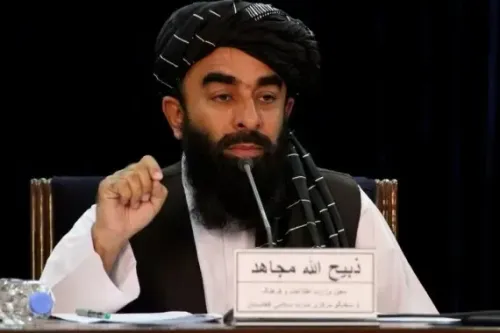
The latest strikes on 2 October 2026 hit civilian homes in Kunar and Helmand , killing 9 people including women and children, according to Taliban spokesperson Zabihullah Mujahid .
Private estimates put total cross-border civilian casualties in Afghanistan at over 1,100 in 2026; a May strike on a Kabul drug rehabilitation centre alone killed 269 .
UNAMA confirmed civilian deaths from the 21 September strikes in Kunar and Paktika , triggering protests across Afghanistan.
Analysts say Pakistan's broader goal is to reinstall a 'weak and client state' in Kabul — a strategy critics call myopic and counterproductive.
The Taliban has responded with anger, threats of retaliation, and cross-border firing, signalling the strikes are not producing the desired compliance.
Pakistan's recurring military strikes on Afghan territory — despite yielding limited results — reflect a troubling sense of impunity and reveal deep structural failures in Islamabad's counterterrorism approach, according to a report by The Diplomat. The strikes have consistently triggered fierce condemnation from Taliban officials, threats of retaliation, and cross-border armed exchanges.
Latest Strikes: Civilian Toll in Kunar and Helmand
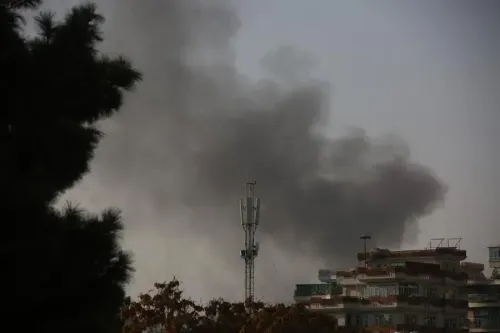
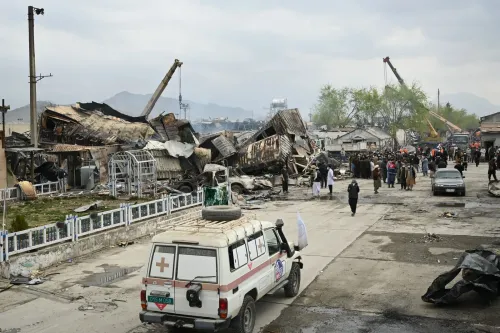
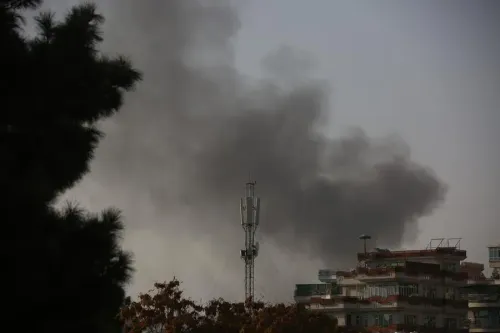
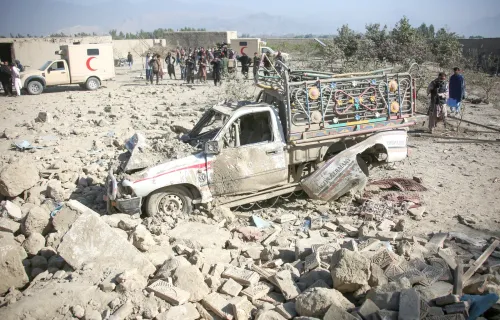
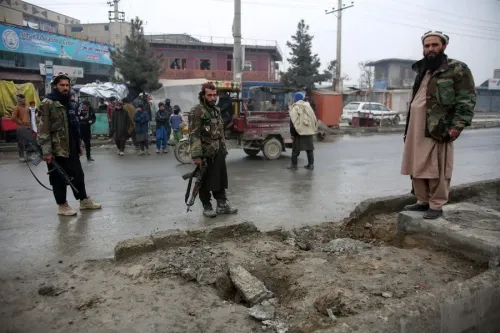
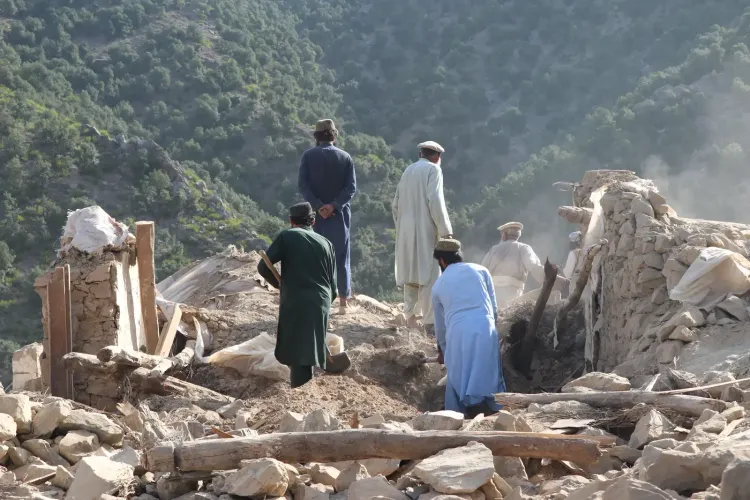
In the most recent incident, the Pakistani military carried out airstrikes in the early hours of Thursday, 2 October 2026, targeting civilian homes in Kunar and Helmand provinces. Taliban administration spokesperson Zabihullah Mujahid said the bombing killed nine people, including women and children, while 11 others were wounded and three houses were destroyed.
Pattern of Escalation Since September
On 24 September, Pakistan launched air and drone strikes against 10 locations inside Afghanistan. Afghan media reported the targets included Kandahar — the base of Taliban Supreme Leader Hibatullah Akhundzada — along with Khost and Paktia provinces.
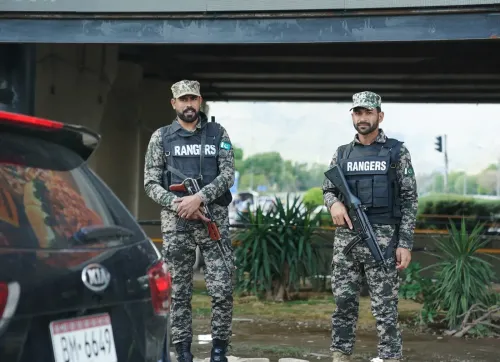
Three days earlier, on 21 September, Pakistani airstrikes in Kunar and Paktika killed three civilians — a man, a woman, and a girl. While Islamabad claimed the operation killed 28 militants, the United Nations Assistance Mission in Afghanistan (UNAMA) confirmed the civilian casualties, sparking protests in Kabul and across Afghanistan. Those strikes were in direct response to a 18 September attack on a police compound in Kohat, Khyber Pakhtunkhwa, in which at least 16 police officers were killed. A vehicle-borne explosive device breached the compound during Friday prayers, followed by an armed militant assault. The attack was claimed by the Ittihadul Mujahideen Pakistan (IMP), an alliance led by the Hafiz Gul Bahadar (HGB) group, which has close linkages with the Tehreek-e-Taliban Pakistan (TTP). Pakistani authorities identified one of the attackers as an Afghan national.
Scale of Cross-Border Violence in 2026
According to the report, Pakistan has carried out air and drone strikes inside Afghanistan on at least 15 occasions between October 2025 and September 2026. Private estimates suggest that more than 1,100 civilians have been killed or injured by cross-border violence in Afghanistan this year alone. Notably, a strike on a drug rehabilitation centre in Kabul in May killed 269 people, prompting calls for the incident to be investigated as a war crime.
Strategic Miscalculation: Seeking a 'Client State'
Beyond targeting the TTP and IMP, analysts argue Pakistan appears to be pursuing a broader strategic objective: reclaiming the leverage it has steadily lost in Kabul. In Islamabad's calculus, the formerly allied Taliban has turned 'rogue', leaving coercive military force and support for anti-Taliban resistance groups as the primary instruments. The ultimate objective, according to the report, is 'a weak and client state in Afghanistan' — an outcome the Pakistani establishment has reportedly pursued for decades.
Critics argue this approach is fundamentally self-defeating. As The Diplomat observed, 'The Taliban seem to have learnt from their former sponsor's playbook the art of cultivating strategic assets and using them as leverage. Attempting to bomb them into submission could be a myopic and counterproductive strategy if there are any lessons learned from the last two decades of American intervention in Afghanistan.'
This comes amid broader regional anxiety over Afghanistan's instability, with India, China, and Central Asian states all watching Islamabad's escalating cross-border operations with growing concern. Whether Pakistan recalibrates its approach or doubles down on coercive tactics is likely to define the Afghanistan-Pakistan dynamic well into 2027.
Point of View
Schooled for decades in Pakistan's own playbook of cultivating armed leverage, is proving immune to coercion — and the civilian death toll is handing it a propaganda dividend. Islamabad's stated goal of a 'weak and client state' in Kabul is not just morally indefensible; it is strategically anachronistic in a region where China and the Gulf states are engaging Kabul on their own terms. The real risk is that Pakistan's strikes deepen TTP recruitment inside Afghanistan while isolating Islamabad diplomatically — the worst of all outcomes.
NationPress
2 Oct 2026
Frequently Asked Questions
Why is Pakistan carrying out airstrikes inside Afghanistan?
Pakistan says the strikes target militant groups, primarily the Tehreek-e-Taliban Pakistan (TTP) and its allies, who it holds responsible for cross-border attacks on Pakistani soil. The strikes are also seen as part of a broader strategy to reassert leverage over the Taliban-led Afghan government, which Islamabad views as having turned hostile to Pakistani interests.
How many civilians have been killed in Pakistan's Afghan strikes in 2026?
Private estimates cited in the report suggest more than 1,100 civilians have been killed or injured by cross-border violence in Afghanistan in 2026. A single strike on a drug rehabilitation centre in Kabul in May killed 269 people, prompting calls for a war-crimes investigation.
What triggered the September 2026 wave of Pakistani strikes?
A 18 September attack on a police compound in Kohat, Khyber Pakhtunkhwa, killed at least 16 police officers. The assault was claimed by the Ittihadul Mujahideen Pakistan (IMP), linked to the TTP, with Pakistani authorities identifying one attacker as an Afghan national. Pakistan responded with airstrikes on 21 September and again on 24 September.
How has the Taliban responded to Pakistan's strikes?
Taliban officials have responded with strong condemnation, threats of retaliation, and occasional cross-border firing. Spokesperson Zabihullah Mujahid confirmed civilian casualties from the latest strikes, including deaths of women and children, and the destruction of three residential homes.
Why is Pakistan's strategy considered counterproductive?
Analysts argue the strikes are failing to degrade militant capacity while generating civilian casualties that boost Taliban moral authority and recruitment. The Diplomat noted that the Taliban has adopted Pakistan's own strategy of using armed proxies as leverage, meaning attempts to 'bomb them into submission' repeat the same errors as two decades of US military intervention in Afghanistan.