Pakistan's mediator bid in US-Iran conflict loses credibility amid Gulf ties
Synopsis
Pakistan wants to broker peace between the US and Iran — but its own defence pacts with Saudi Arabia and Gulf monarchies have already convinced Tehran it is picking sides. With over 85% of its energy supplied by Gulf states and a near-bankrupt economy, Islamabad's neutrality is structurally compromised before any mediation even begins.
Key Takeaways
Pakistan is seeking a mediator role in the US-Iran conflict, but its credibility is being questioned by analysts and reportedly by Tehran itself.
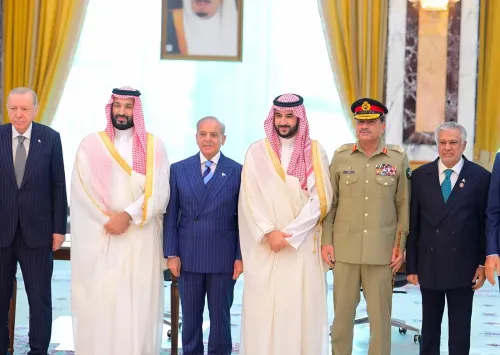
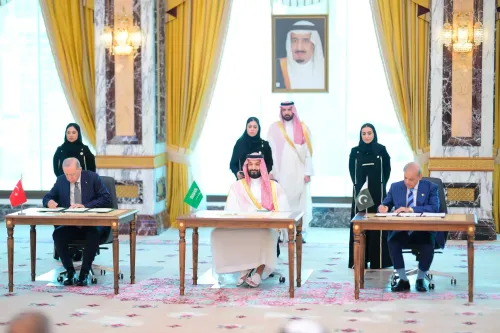
Saudi Arabia , Pakistan , and Turkey signed the Mecca Joint Defence Agreement on 7 August , committing to collective defence.
Iranian-backed Houthis struck a Saudi Red Sea oil facility two days after the pact was signed; the coalition has not responded militarily.
Gulf states supply more than 85% of Pakistan's oil needs and virtually all its LNG requirements, limiting Islamabad's room for independent diplomacy.
Tehran reportedly views Pakistan as 'complicit in external aggression', directly undermining its broker credentials.
Pakistan has clarified its nuclear deterrent does not extend to its Gulf allies under the Mecca pact.
Pakistan's bid to position itself as a neutral mediator in the US-Iran conflict is facing serious credibility questions, according to an analysis published in American media outlet PJ Media. The report argues that Islamabad's deepening defence commitments to Gulf Arab monarchies have fuelled Tehran's suspicions, undermining any claim to impartiality before negotiations even begin.
The Defence Pacts Complicating Islamabad's Neutrality
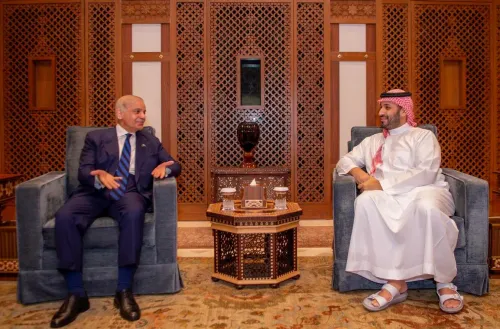
Saudi Arabia, Pakistan, and Turkey signed the Mecca Joint Defence Agreement in Mecca on 7 August, pledging collective deterrence against acts of aggression. The agreement holds that an armed attack on any one signatory would be treated as an attack on all three. Pakistan has also signed a separate pact with Saudi Arabia and has a pending agreement with Kuwait, further anchoring Islamabad within US and Saudi security frameworks, according to the report.
Just two days after the Mecca agreement was signed, Iranian-backed Houthis struck an oil facility on Saudi Arabia's Red Sea coast. The coalition has yet to respond militarily, and Pakistan has refrained from any military action in response to Iranian strikes on the kingdom — even while being bound by the mutual defence pact.
Tehran's View: Complicit, Not Neutral
Turkish journalist Uzay Bulut, writing for PJ Media, posed a pointed question: 'How efficient can Pakistan be as a mediator between Tehran, Washington, and Islamabad when it is attempting to play all sides while simultaneously losing the trust of all?'
The report notes that Tehran's current narrative casts Pakistan as 'complicit in external aggression', a framing that directly limits Islamabad's credibility as an impartial broker. Islamabad has also clarified that the Mecca pact does not extend to its nuclear deterrent — rejecting suggestions that a nuclear umbrella could cover its Gulf allies.
Decades of Strained Iran-Pakistan Relations
The trust deficit between Iran and Pakistan is not new. According to the report, their relationship has historically been characterised by 'pragmatic cooperation despite divergent strategic orientations.' Both nations maintain trade links, yet periodic frictions have repeatedly surfaced.
Key fault lines include Pakistan's close defence cooperation with Saudi Arabia; Tehran's suspicion of Islamabad's alignment with US-led coalitions in Afghanistan and Iraq; and mutual allegations of providing space for cross-border activities of militant groups such as Jaish ul-Adl and Baloch militant organisations. 'Persistent mistrust between Iran and Pakistan causes frequent cross-border security friction, proxy competition, and diplomatic tightropes,' the report stated.
Economic Vulnerabilities Shaping Pakistan's Choices
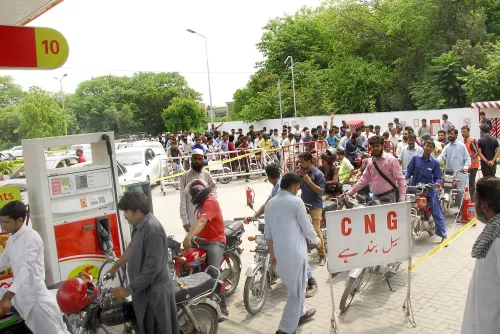
Pakistan's room for manoeuvre is further constrained by a precarious economic position. The report describes Pakistan's economy as 'near-bankrupt', heavily reliant on continued international bailouts. Gulf states — principally Saudi Arabia, Qatar, and others — reportedly supply more than 85 per cent of Pakistan's oil requirements and almost all of its liquefied natural gas (LNG) needs.
This energy and financial dependence on the very bloc that Tehran views with suspicion makes a genuinely neutral Pakistani posture structurally difficult, analysts argue. Islamabad's diplomatic ambitions, in other words, are constrained by the economic lifelines it cannot afford to sever.
What Comes Next
Whether Pakistan can recalibrate its positioning to salvage a credible mediator role remains uncertain. The combination of binding defence pacts, economic dependence on Gulf states, and a long history of mistrust with Iran presents formidable obstacles. Without tangible confidence-building measures with Tehran, Islamabad's mediator ambitions are likely to remain aspirational rather than operational.
Point of View
Satisfying neither Riyadh nor Tehran. The deeper problem is that Pakistan's foreign policy has long operated on the assumption that strategic ambiguity is a resource — but in a sharply polarised regional order, ambiguity is increasingly read as bad faith by all parties simultaneously.
NationPress
29 Aug 2026
Frequently Asked Questions
Why is Pakistan's mediator role in the US-Iran conflict under scrutiny?
Pakistan's credibility as a neutral mediator is being questioned because of its deepening defence commitments to Gulf Arab states, particularly Saudi Arabia, which Iran views as adversarial. An analysis published in PJ Media argues that Islamabad is 'attempting to play all sides while simultaneously losing the trust of all.'
What is the Mecca Joint Defence Agreement?
The Mecca Joint Defence Agreement is a collective security pact signed by Saudi Arabia, Pakistan, and Turkey in Mecca on 7 August, pledging that an armed attack on any one signatory would be treated as an attack on all three. The pact does not include Pakistan's nuclear deterrent, which Islamabad has explicitly clarified.
How does Pakistan's economic dependence on Gulf states affect its diplomacy?
Gulf states — primarily Saudi Arabia and Qatar — reportedly supply more than 85% of Pakistan's oil requirements and virtually all of its LNG needs. This energy dependence, combined with reliance on international financial bailouts, limits Islamabad's ability to adopt a posture genuinely independent of Gulf security interests.
What is Iran's position on Pakistan's mediator bid?
Tehran reportedly views Pakistan as 'complicit in external aggression', according to the analysis, which directly limits Islamabad's credibility as an impartial broker. Iran-Pakistan relations have been strained for decades over cross-border militant activity, Pakistan's Gulf defence ties, and suspicions about Islamabad's alignment with US-led coalitions.
What militant groups have been cited as a source of Iran-Pakistan friction?
The report cites mutual allegations between Iran and Pakistan over providing space for cross-border activities of groups including Jaish ul-Adl and Baloch militant organisations. These allegations have contributed to persistent mistrust, cross-border security friction, and what the report describes as 'diplomatic tightropes.'