PoJK reserved seats row: Pakistan's refusal exposes grip on region
Synopsis
Pakistan has accepted several JAAC demands to contain PoJK's worst unrest in years — but the one concession that would actually shift power, abolishing 12 refugee-constituency seats that let Islamabad rig the Assembly from afar, remains firmly off the table. That refusal, more than anything else, reveals what the elections in PoJK are really about.
Key Takeaways
Pakistan has accepted several JAAC demands but continues to refuse abolition of 12 refugee reserved seats in the PoJK Legislative Assembly .
The unrest has resulted in approximately 60 reported deaths , internet blackouts, and elections held under heavy security.
The PoJK 'Supreme Court' ruled on 7 June that the refugee seats are 'constitutionally protected' and require a full constitutional amendment to remove.
The 53-member Assembly includes 41 directly elected territorial seats and 12 reserved seats with constituencies in Lahore , Rawalpindi , and Karachi .
Major parties — PML , PPP , and PTI — have rejected abolition; the Kashmir Refugees Council has called for doubling the seats to 24 .
Analysts warn the unrest could become a long-term crisis, further eroding Pakistan's credibility internationally.
Pakistan-occupied Jammu and Kashmir (PoJK) is in the grip of its most serious unrest in years, with the Islamabad government's selective acceptance of protester demands laying bare a deeper unwillingness to surrender political control over the disputed territory. While authorities have conceded on several economic and procedural grievances raised by the Joint Awami Action Committee (JAAC), the central demand — abolition of 12 Legislative Assembly seats reserved for 'refugees' residing elsewhere in Pakistan — remains unaddressed as of 8 August.
The Reserved Seats at the Heart of the Crisis
The 53-member PoJK Legislative Assembly comprises 41 seats directly elected from territorial constituencies within the region, and 12 reserved seats whose constituencies span Pakistani cities including Lahore, Rawalpindi, and Karachi. Critics argue this arrangement allows Islamabad to influence the Assembly's composition by mobilising votes from outside the territory, effectively ensuring pro-Pakistan parties retain dominance.
The Assembly also carries reserved seats for women and technocrats, but analysts note these too are routinely filled through party nominations rather than direct elections — reinforcing patronage networks rather than genuine representation. The refugee seats, however, remain the most politically explosive element.
Why Pakistan Refuses to Budge
On 7 June, the PoJK 'Supreme Court' ruled that the refugee seats are 'constitutionally protected' and cannot be dissolved without a full constitutional amendment — a ruling that effectively shielded the status quo from executive action. Major political parties including Pakistan Muslim League (PML), Pakistan Peoples Party (PPP), and Pakistan Tehreek-e-Insaf (PTI) have rejected any proposal to abolish the seats. The Kashmir Refugees Council, meanwhile, went further, reportedly calling for the seats to be doubled from 12 to 24.
According to analysts, authorities fear that conceding this demand would embolden protesters and weaken Pakistan's international claim over the region. Rather than engaging with the underlying grievance, the government has characterised the protests as being infiltrated by 'militants' and 'influenced by India' — a framing that justifies its security crackdown while deflecting accountability.
Scale of Unrest and the Election Backdrop
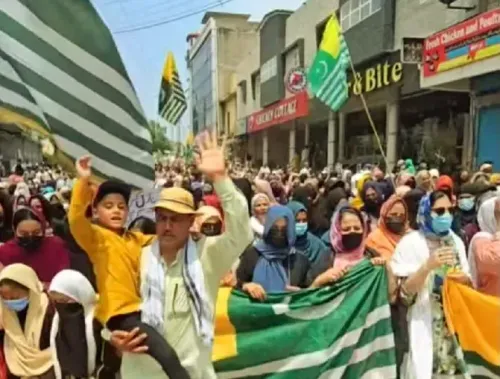
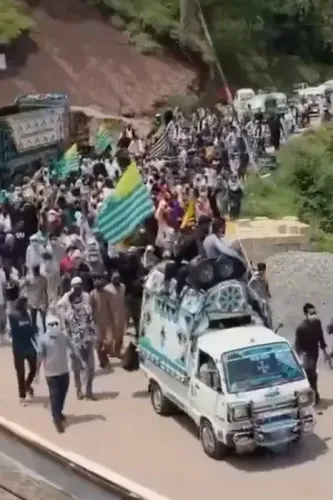
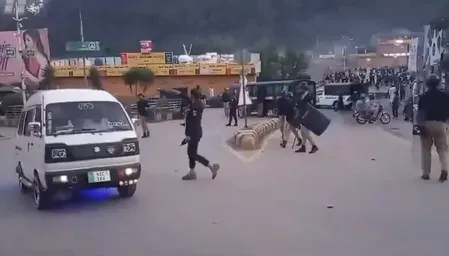
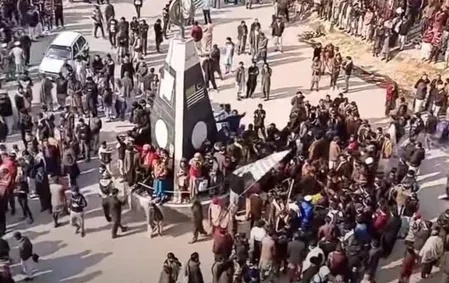
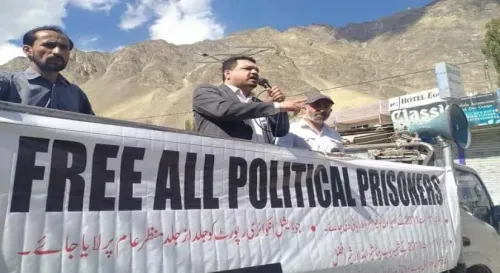
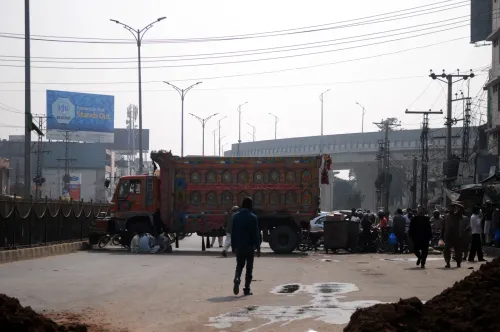
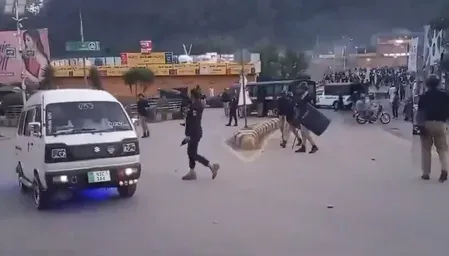
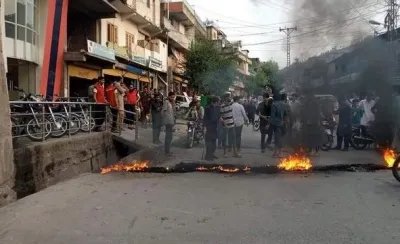
The protests, led by the JAAC — which authorities have designated as banned — intensified from June onwards over a combination of rising prices, governance failures, and the reserved seat issue. The unrest has been marked by approximately 60 reported deaths, internet blackouts, and staggered elections conducted under heavy security deployment.
Pakistan has pressed ahead with a three-phase election to the 53-member Legislative Assembly, a process critics describe as a veneer of democratic legitimacy. By staging elections even amid the turmoil, Islamabad seeks to sustain its claim to democratic governance in PoJK and bolster its international positioning on the Kashmir dispute. The manipulation of constituency structures, analysts argue, exposes the hollowness of that claim.
The Contradiction at the Core of Pakistan's Kashmir Policy
By conceding to economic and procedural demands, Islamabad has tacitly acknowledged the legitimacy of local grievances. Yet its refusal to address the refugee seat question reveals what critics describe as a structural contradiction — claiming solidarity with Kashmiris while denying them substantive autonomy. Pakistan is already navigating severe economic turmoil; prolonged unrest in PoJK risks compounding instability and further delegitimising its governance model in the region.
This selective responsiveness, observers note, is driven more by necessity — mounting casualties, international scrutiny, and the risk of delegitimised elections — than by genuine goodwill. Islamabad's continued reliance on force, combined with a narrative of external interference, risks alienating the very population it claims to champion.
What Comes Next
Unless Pakistan moves toward a more inclusive political framework in PoJK, analysts warn the unrest could solidify into a long-term crisis, eroding the country's credibility both domestically and on the international stage. The reserved seat impasse is unlikely to be resolved without a constitutional amendment — a politically costly move that no major Pakistani party has shown appetite for.
Point of View
Retain the structural. The refugee seats are not a procedural quirk — they are the mechanism through which Islamabad ensures no PoJK assembly can ever vote against its interests. The PoJK 'Supreme Court' ruling of 7 June, conveniently insulating these seats behind a constitutional amendment requirement, was less a legal finding than a political firewall. What mainstream coverage often misses is that the elections themselves — conducted in phases under security lockdown — are the performance, not the substance. The substance is the 12 seats. Until those go, every election in PoJK is, by design, an incomplete one.
NationPress
22 Sept 2026
Frequently Asked Questions
What are the reserved refugee seats in PoJK's Legislative Assembly?
These are 12 seats in the 53-member PoJK Legislative Assembly whose constituencies are located in Pakistani cities such as Lahore, Rawalpindi, and Karachi — not within PoJK itself. Critics argue they allow Islamabad to influence the Assembly's composition by mobilising votes from outside the territory, ensuring pro-Pakistan parties retain dominance.
What is the JAAC and what are its demands?
The Joint Awami Action Committee (JAAC) is a protest grouping — designated as banned by Pakistani authorities — that has led demonstrations in PoJK since June over rising prices, governance failures, and the abolition of the 12 refugee reserved seats. Pakistan has accepted several of its economic and procedural demands but has refused the central demand on reserved seats.
How serious is the unrest in PoJK?
The current unrest is described as the most serious in PoJK in years. Approximately 60 deaths have been reported, alongside internet blackouts and staggered elections conducted under heavy security deployment.
Why has Pakistan refused to abolish the reserved seats?
The PoJK 'Supreme Court' ruled on 7 June that the refugee seats are constitutionally protected and cannot be removed without a full constitutional amendment. Beyond the legal hurdle, analysts say Islamabad fears that abolishing the seats would empower local voices and weaken its political hold over the region internationally.
What happens if the reserved seat issue remains unresolved?
Analysts warn that without a more inclusive political framework, the unrest in PoJK risks becoming a long-term crisis. Pakistan's credibility — both domestically and on the international stage regarding its Kashmir claims — could be further eroded, particularly as the elections are seen by critics as lacking genuine democratic legitimacy.