PoK unrest shatters Pakistan's Kashmir narrative: MEMRI report
Synopsis
Pakistan's foundational claim of being the protector of Kashmiri Muslims has been directly contradicted by its own actions in PoK — killing protesters, banning their political coalition, shutting the internet, and holding elections under a blackout. A MEMRI report lays out how Islamabad's response to a cost-of-living protest has unravelled decades of carefully constructed narrative on Kashmir.
Key Takeaways
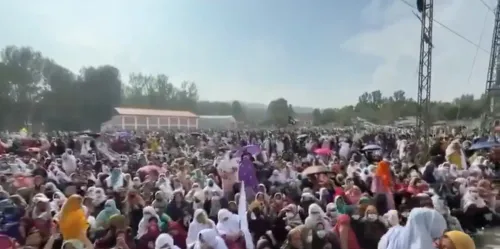
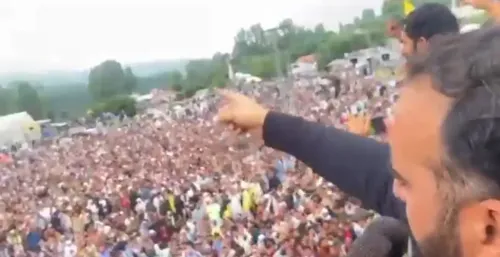
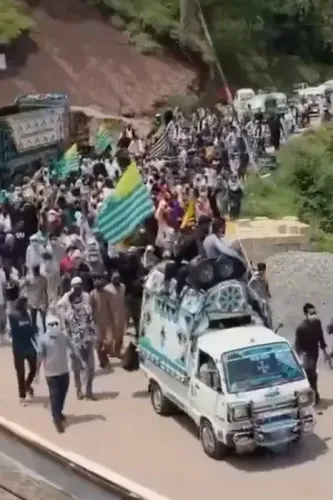
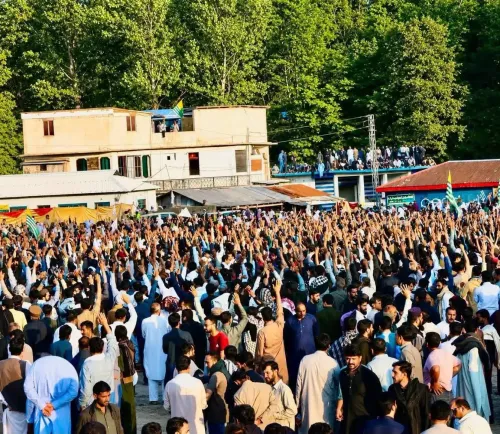
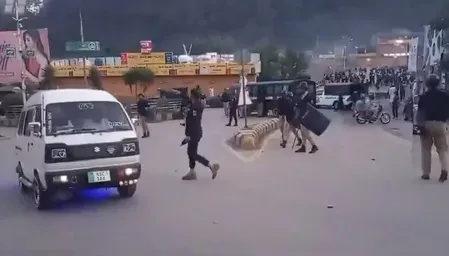
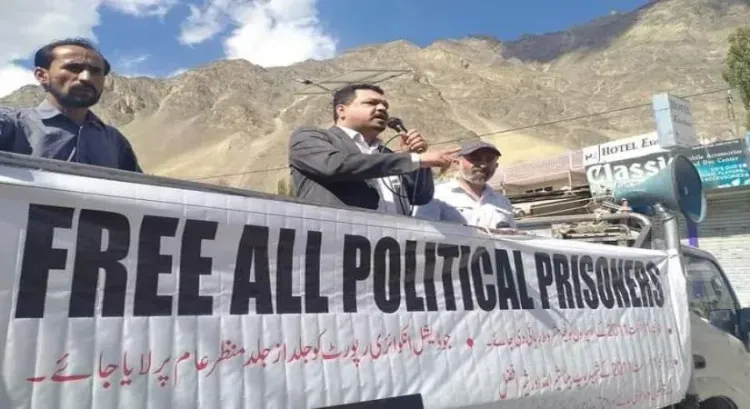
Pakistani security forces have reportedly killed dozens of protesters in Pakistan-occupied Kashmir (PoK) since June 2026 .
The Joint Awami Action Committee (JAAC) , which led the protests against soaring electricity prices, was banned under counterterrorism legislation.
Internet access in PoK was shut down for weeks; foreign journalists were barred from operating outside Islamabad , Lahore , and Karachi under new Foreign Media Facilitation Guidelines 2026 .
Legislative assembly elections were held in PoK between 27 July and 10 August 2026 despite the blackout; authorities claimed over 50 per cent turnout, disputed by boycott organisers.
A MEMRI report argues the crackdown exposes an ideological contradiction at the heart of Pakistan 's Kashmir narrative, founded on the two-nation theory.
Escalating unrest in Pakistan-occupied Kashmir (PoK) has dealt a severe blow to Islamabad's decades-old claim of championing the cause of Kashmiri Muslims, according to a report by the US-based Middle East Media Research Institute (MEMRI). Over the past two months, Pakistani security forces have reportedly killed dozens of protesters, imposed prolonged internet blackouts, and barred foreign journalists from the territory entirely.
How the Unrest Began
The protests erupted in June 2026 as a cost-of-living movement, with the Joint Awami Action Committee (JAAC) — a coalition of local politicians, business leaders, and activists — rallying against soaring electricity prices. The movement quickly broadened into demands for greater political autonomy for the region.
Rather than engaging in dialogue, Islamabad responded with a sweeping crackdown: banning the JAAC under counterterrorism legislation, severing internet access across PoK, and deploying security forces who killed several civilians, according to the MEMRI report.
Crackdown Documented by Kashmiri Voices
The report cited Kashmiri novelist and journalist Mirza Waheed, who described the Pakistani response as marked by indiscriminate use of force and a communications blackout that isolated the region from the outside world. Waheed noted that wounded protesters were reportedly avoiding hospitals out of fear of retaliation — a pattern, he argued, characteristic of a state managing dissent through suppression rather than dialogue.
The communications shutdown rendered independent verification of casualty figures, arrest tallies, and the overall scale of the security response 'nearly impossible during the weeks that mattered most,' the MEMRI report stated.
Elections Held Amid Internet Shutdown and Boycott
Despite the continued internet blackout and the ban on the JAAC, Islamabad proceeded with a three-phase round of legislative assembly elections in PoK, held between 27 July and 10 August 2026. Authorities claimed a voter turnout of more than 50 per cent, a figure disputed by organisers of the boycott movement.
The credibility of the electoral process was further undermined by the government's simultaneous decision to restrict international media from operating beyond Islamabad, Lahore, and Karachi. Under the newly issued Pakistan's Foreign Media Facilitation Guidelines 2026, all foreign journalists are required to obtain a No-Objection Certificate (NOC) from Pakistan's Ministry of Information and Broadcasting (MOIB) before travelling to any other city for news reporting.
The Ideological Contradiction at Pakistan's Core
According to the MEMRI report, the deeper challenge for Islamabad is ideological rather than merely administrative. Pakistan was founded on the two-nation theory, which held that Muslim-majority communities in South Asia required a separate state to secure their rights and self-governance. Yet the Muslim residents of PoK — living under Pakistani administration — are now protesting against Pakistani authorities themselves.
The ban on the leading civic coalition, prolonged communications restrictions, and the killing of dozens of protesters have, the report argues, exposed the hollowness of Islamabad's promises of freedom and reform in PoK. 'For the residents of Muzaffarabad watching their internet stay dark through an election they were told to trust, the distinction between the label and the reality is not academic,' the report noted.
What This Means for Pakistan's Kashmir Position
The developments in PoK arrive at a particularly sensitive moment — on 15 August, India's Independence Day — and carry significant diplomatic weight. Pakistan's international credibility on the Kashmir question rests substantially on its self-portrayal as a protector of Kashmiri rights. The crackdown, media exclusion, and disputed elections collectively erode that posture, handing critics a documented counter-narrative. How Islamabad manages the next phase of unrest in PoK will likely shape its standing on the issue in multilateral forums.
Point of View
Which underpins Islamabad's entire Kashmir argument, loses moral force the moment Muslim citizens of PoK are shot for protesting electricity bills. The decision to hold elections under an internet blackout, with the principal opposition coalition banned, does not merely invite scepticism — it invites comparison to the very authoritarian governance Pakistan has long accused India of practising in Jammu and Kashmir. What mainstream coverage underplays is the timing: this unravelling is happening in real time, documented and now internationally reported, making it harder for Islamabad to contain the narrative damage through diplomatic channels alone.
NationPress
15 Aug 2026
Frequently Asked Questions
What triggered the unrest in Pakistan-occupied Kashmir in 2026?
The protests began in June 2026 as a cost-of-living movement, with residents rallying against soaring electricity prices. The Joint Awami Action Committee (JAAC), a coalition of local politicians, business leaders, and activists, led the demonstrations and also demanded greater political autonomy for the region.
How did Pakistan respond to the PoK protests?
Pakistan responded with a crackdown rather than dialogue — banning the JAAC under counterterrorism legislation, shutting down internet access across PoK for weeks, and deploying security forces who reportedly killed dozens of civilians. Foreign journalists were also barred from the territory under new media guidelines.
Were elections held in PoK despite the unrest?
Yes. Pakistan held a three-phase legislative assembly election in PoK between 27 July and 10 August 2026, even as the internet blackout continued and the JAAC remained banned. Authorities cited a turnout of over 50 per cent, but boycott organisers disputed that figure.
What are Pakistan's Foreign Media Facilitation Guidelines 2026?
The newly issued guidelines require all foreign journalists to obtain a No-Objection Certificate (NOC) from Pakistan's Ministry of Information and Broadcasting before travelling to any city outside Islamabad, Lahore, and Karachi. Critics say the rules effectively prevent independent reporting from conflict-affected areas like PoK.
Why does the PoK unrest matter for Pakistan's position on Kashmir?
Pakistan's international stance on Kashmir rests on its claim to represent the interests of Kashmiri Muslims. The crackdown — involving killings, a communications blackout, and disputed elections — directly contradicts that narrative and, according to the MEMRI report, exposes an ideological contradiction at the core of Pakistan's founding two-nation theory.