PoK unrest: JAAC pauses long march till July 21, issues final warning to Pakistan
Synopsis
Six weeks into one of the most serious civilian uprisings in Pakistan-occupied Kashmir, the JAAC has handed Islamabad a final ultimatum: act by 21 July or face a resumed march on Muzaffarabad. With at least 30 dead, 4,000 Rangers deployed, and a communications blackout in place, the crisis is exposing deep fractures in Pakistan's control over the region — and drawing rare dissent from within its own political ranks.
Key Takeaways
The Joint Awami Action Committee (JAAC) has suspended its long march until 21 July , giving Pakistan a 'final opportunity' to meet its demands.
At least 30 people have been killed in PoK unrest, including 7 JAAC activists in a single incident and at least 2 law enforcement personnel .
Over 4,000 Rangers have been deployed in PoK, with internet shutdowns, roadblocks, and a media blackout reported.
JAAC leader Sardar Amman Khan declared PoK 'forcibly occupied' and rejected Pakistan's 'disputed territory' framing.
PPP Chairman Bilawal Bhutto Zardari publicly questioned the role of PM Shehbaz Sharif and Army Chief Asim Munir in handling the crisis.
If no action is taken, the long march toward Muzaffarabad is set to resume on 22 July .
The Joint Awami Action Committee (JAAC) suspended its long march toward Muzaffarabad until 21 July, granting the Pakistani government what it called 'one final opportunity' to address its demands, even as the ongoing unrest in Pakistan-occupied Kashmir (PoK) has claimed at least 30 lives. The pause follows negotiations reportedly involving Pakistani Army Chief General Asim Munir and JAAC leadership, including Umar Nazir Kashmiri.
The Long March and Its Suspension
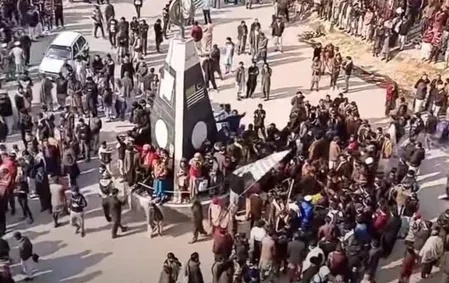
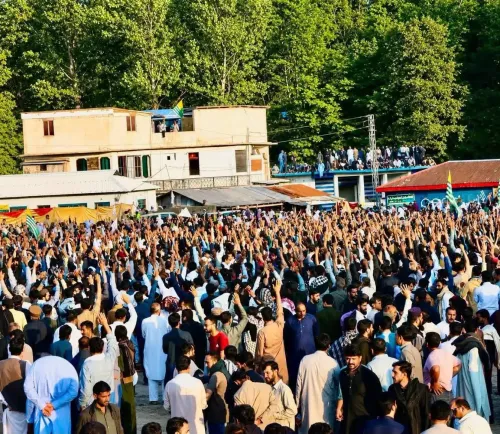
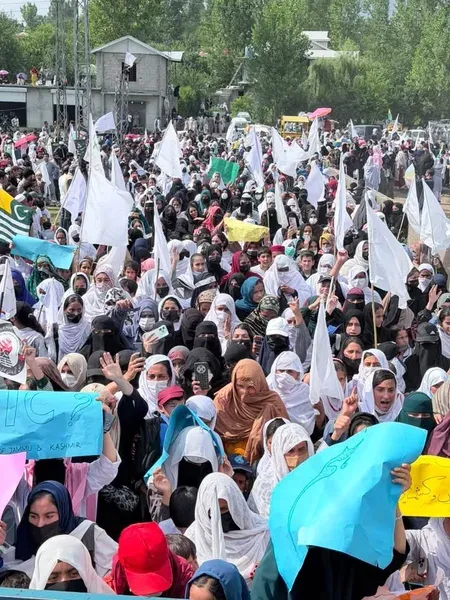
After the 14 July deadline expired without a government response, JAAC mobilised thousands of supporters — including large numbers of women and children — for a march toward Muzaffarabad. Caravans converged on Rawalakot and other protest sites across the region before the march was called off pending talks.
The group has made clear that if no concrete action is taken by the Pakistani authorities, the long march will resume on 22 July. Sit-ins across PoK are set to continue in the interim, maintaining pressure on Islamabad.
Death Toll and Clashes
Deadly confrontations, concentrated around Rawalakot, have pushed the total casualty count to at least 30. Among those killed, seven JAAC activists died in a single incident. According to reports, at least two law enforcement personnel also lost their lives in separate clashes on Tuesday.
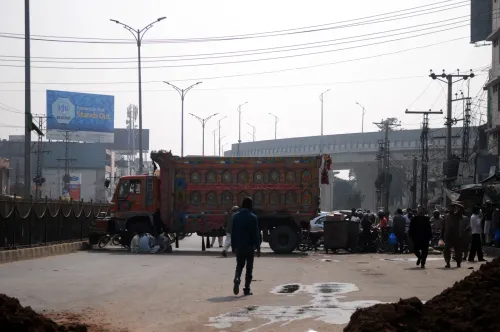
Pakistani media reported that over 4,000 Rangers have been deployed in the territory. A sweeping communications blackout, internet shutdown, roadblocks, and supply disruptions have been imposed, which protesters allege is a deliberate attempt to suppress the movement and shield the crackdown from public scrutiny.
JAAC Leaders Reject Pakistan's Narrative
Addressing thousands gathered in Rawalakot on Tuesday, JAAC leader Sardar Amman Khan accused Pakistan of 'forcibly occupying' the region and urged demonstrators to refer to PoK as an 'occupied territory' rather than a 'disputed territory.' 'It is forcibly occupied,' Khan stated. The remarks represent a direct and escalating challenge to Islamabad's decades-long political framing of the region.
As the unrest enters its sixth week, the protests have grown into one of the most sustained civilian uprisings against Pakistani authority in PoK in recent memory.
Political Fallout in Pakistan
The crisis has triggered rare public criticism within Pakistan's political establishment. Pakistan Peoples Party (PPP) Chairman Bilawal Bhutto Zardari questioned the 'role' of both Army Chief Munir and Prime Minister Shehbaz Sharif, describing the situation in PoK since last month as 'very concerning.'
Members of the Kashmiri diaspora have also staged demonstrations outside Pakistani diplomatic missions abroad, calling for international intervention over what they described as a brutal crackdown by Pakistani authorities.
What Happens Next
The 21 July deadline is now the critical pressure point. If Islamabad fails to respond with concrete measures, the resumption of the long march on 22 July could dramatically escalate tensions. With a near-total media blackout in place, independent verification of ground conditions remains limited, raising concerns among rights observers about accountability.
Point of View
000 Rangers and a communications blackout signals that Islamabad is treating this as a security problem rather than a governance one, a choice that has historically deepened grievances rather than resolved them. Bilawal Bhutto Zardari's public criticism of both the Army Chief and the Prime Minister is a significant political signal: civilian dissent over the handling of PoK is no longer confined to the streets. The real question is whether the 21 July deadline produces a substantive response or another round of managed delay — and whether the international community, alerted by diaspora protests, applies any meaningful pressure on Islamabad.
NationPress
16 Jul 2026
Frequently Asked Questions
Why has JAAC suspended its long march toward Muzaffarabad?
The JAAC suspended the march until 21 July following negotiations with Pakistani authorities, reportedly involving Army Chief General Asim Munir, to give the government what the committee called 'one final opportunity' to address its demands. If no concrete action is taken, the march is set to resume on 22 July.
How many people have died in the PoK unrest?
At least 30 people have been killed in the ongoing unrest in Pakistan-occupied Kashmir. Seven JAAC activists died in a single incident near Rawalakot, and at least two law enforcement personnel also lost their lives in separate clashes.
What are the protesters demanding?
The JAAC and protesters in PoK have been demonstrating against Pakistani authority in the region, with leaders like Sardar Amman Khan publicly rejecting Islamabad's framing of PoK as a 'disputed territory' and declaring it 'forcibly occupied.' Their demands centre on political and economic rights for the region's residents.
What restrictions has Pakistan imposed in PoK?
Pakistani authorities have reportedly imposed internet blackouts, roadblocks, supply disruptions, and a media blackout across PoK. Over 4,000 Rangers have been deployed. Protesters allege these measures are intended to suppress the movement and prevent independent reporting of the crackdown.
How has Pakistan's political establishment responded to the PoK crisis?
PPP Chairman Bilawal Bhutto Zardari publicly questioned the role of both Prime Minister Shehbaz Sharif and Army Chief Asim Munir, calling the situation 'very concerning.' The criticism is notable as it represents rare dissent from within Pakistan's mainstream political parties over the handling of PoK.