Iran receives regional messages on new security, economic order after US-Israel strikes
Synopsis
Iran is playing both offence and defence simultaneously. Parliament Speaker Qalibaf is courting neighbours with a post-US regional order pitch, while security chief Rezaei is threatening to shut the Strait of Hormuz if those same neighbours side with Washington's economic siege. The two moves together reveal a Tehran that is diplomatically ambitious but acutely aware of its vulnerability.
Key Takeaways
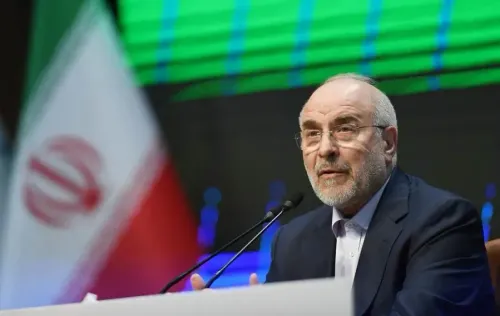
Mohammad Baqer Qalibaf , Iran's Parliament Speaker, said Tehran has received 'numerous' messages from neighbours about building new regional security and economic arrangements .
US and Israel launched joint airstrikes on Iran on 28 February ; Tehran responded with missiles and drones targeting Israel and US military bases in the region.
Security chief Mohsen Rezaei warned that any country joining the US economic campaign against Iran will be treated as an 'enemy' by Tehran.
Rezaei threatened to block all oil exports through the Strait of Hormuz if neighbouring countries align with the US-led siege.
Iran insists the Hormuz Strait will remain closed until the US honours its commitments under the Iran-US peace memorandum signed in June .
Rezaei stated Iran has developed methods to bypass US sanctions and sustain oil sales over the years.
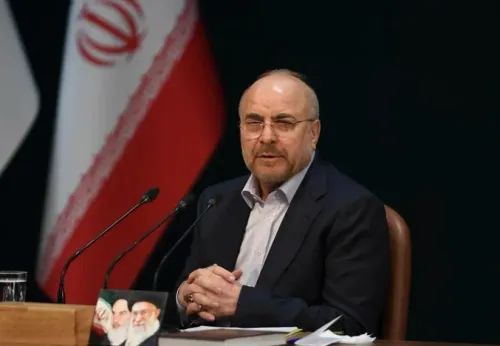
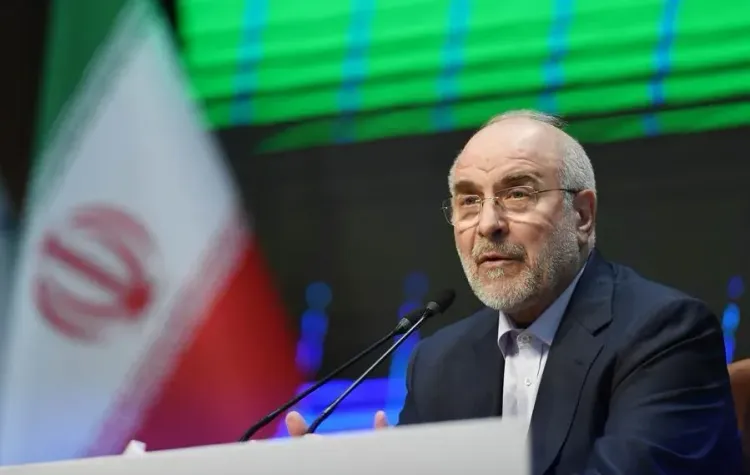
Iran's Parliament Speaker Mohammad Baqer Qalibaf has disclosed that Tehran has received 'numerous' messages from neighbouring countries expressing interest in 'shaping new security arrangements and economic cooperation' across the region. The remarks, made on Saturday via a post on social media platform X, come in the aftermath of joint US-Israel airstrikes on Iran on 28 February — a conflict that has visibly strained Washington's relationships with its Gulf allies.
Qalibaf's Regional Outreach Signal
In his post, Qalibaf argued that the United States had 'put the security of every single one of its allies at such risk through bullying and pure disregard for their interests for the sake of Israel.' He went further, stating: 'A homegrown, independent (regional) order is what will actually deliver peace and security.' The statement is a pointed appeal for a Middle East security architecture that sidelines Washington — and positions Tehran as a potential anchor.
Media reports, citing regional officials, indicate that Gulf Arab countries have grown frustrated with Washington for initiating hostilities while failing to provide adequate protection to its partners in the region. This frustration, if it crystallises into formal diplomatic realignment, could mark a significant shift in the Gulf's decades-long security posture.
Iran's Warning on the US Economic Siege
Separately, Iran's top security official Mohsen Rezaei, secretary of Iran's Supreme National Security Council, issued a stark warning on Saturday in an interview with state-run IRIB TV: any country that participates in the US economic campaign against Iran will be regarded as an 'enemy' by Tehran.
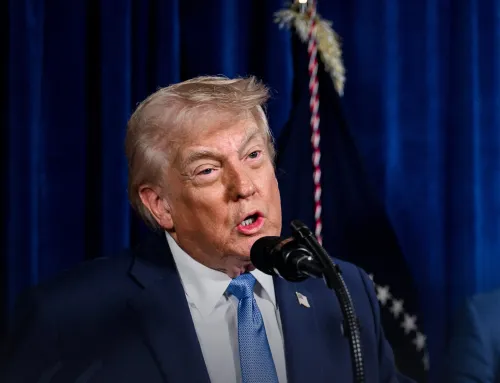
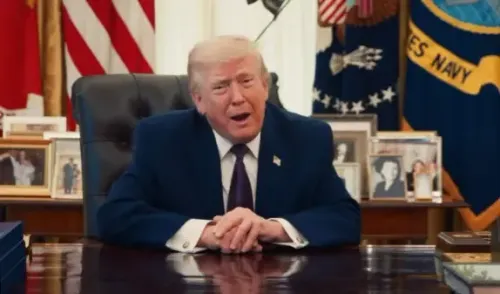
The warning follows US President Donald Trump's announcement on Wednesday of what he described as 'the most crushing economic operation ever taken' against any nation providing support to Iran — framing it as 'economic warfare and isolation on an unprecedented scale.'
Rezaei clarified that Iran would first seek to negotiate with such countries and urge them to remain neutral. However, he warned that refusal would prompt Tehran to 'strike their interests.' Most critically, he threatened that if surrounding nations join the US-led siege, Iran 'will not let even a single drop of oil be exported from the Strait of Hormuz.'
The Hormuz Ultimatum
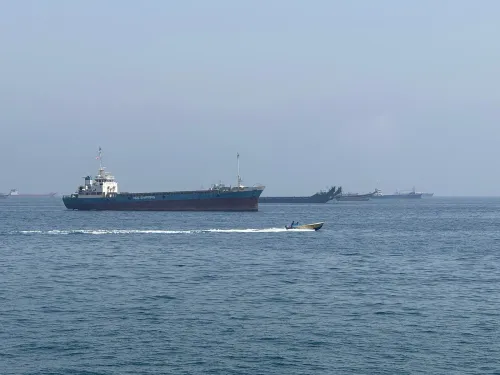
Rezaei reiterated that the Strait of Hormuz will remain closed unless the United States fulfils its commitments under the Iran-US peace memorandum of understanding signed in June, adding that Washington must act first. The Strait of Hormuz is one of the world's most critical oil chokepoints, through which roughly 20% of global oil supply transits — making any closure threat a matter of acute international concern.
Rezaei also noted that Iran has, over years of successive sanctions regimes, developed mechanisms to bypass US restrictions and sustain oil exports — signalling that Tehran believes it can weather prolonged economic pressure.
What Happens Next
The convergence of Iran's diplomatic outreach to neighbours and its escalating economic warnings to potential US partners suggests Tehran is pursuing a dual-track strategy: building a regional coalition while simultaneously raising the cost of alignment with Washington. How Gulf states — many of which host US military installations — respond to this overture will be closely watched. Any formal diplomatic movement toward an Iran-led regional security framework would represent a historic rupture in the post-1991 Gulf security order.
Point of View
But it is also a double-edged one; a closure would damage Iran's own oil revenues. What mainstream coverage underweights is the Gulf states' genuine dilemma: they host US bases, but the airstrikes exposed how little Washington's security umbrella actually covers them. If even one Gulf state signals openness to Iran's regional order proposal, the post-1991 security architecture of the Middle East begins to crack.
NationPress
24 Aug 2026
Frequently Asked Questions
What did Iran's Parliament Speaker say about regional security messages?
Parliament Speaker Mohammad Baqer Qalibaf said on Saturday that Iran has received 'numerous' messages from neighbouring countries about shaping new regional security arrangements and economic cooperation. He argued that a 'homegrown, independent regional order' is the only path to lasting peace and security in the Middle East.
What is Iran's Strait of Hormuz threat?
Security chief Mohsen Rezaei warned that Iran will not allow a single drop of oil to be exported through the Strait of Hormuz if surrounding countries join the US-led economic siege against Tehran. The Strait is a critical global oil chokepoint, making the threat one with significant international consequences.
What did Trump announce regarding Iran?
US President Donald Trump announced on Wednesday what he called 'the most crushing economic operation ever taken' against any country providing support to Iran, describing it as economic warfare and isolation on an unprecedented scale. Iran's security council responded by warning that participant nations would be treated as enemies.
What is the Iran-US peace memorandum of understanding?
The Iran-US peace memorandum of understanding is an agreement signed in June, the details of which have not been fully disclosed publicly. Iran's Rezaei stated the Strait of Hormuz will remain closed until the United States fulfils its commitments under this accord, insisting Washington must act first.
How has Iran managed to sustain oil exports despite sanctions?
Rezaei stated that Iran has learned over the years how to bypass US sanctions and continue oil sales, suggesting Tehran believes it can withstand the new round of economic pressure announced by the Trump administration.