HRCP report blames PoK unrest on governance failures, excessive force
Synopsis
Pakistan's own human rights commission has indicted the state's response to PoK's unrest — documenting arbitrary detentions, alleged lethal force, press blackouts, and a compromised election — while finding that authorities never provided civilian casualty figures. With 147 activists listed under the Fourth Schedule and Rawalakot still inaccessible to independent observers, the HRCP's report is a rare institutional rebuke from within Pakistan itself.
Key Takeaways
The Human Rights Commission of Pakistan (HRCP) released a fact-finding report titled 'Civic Spaces under Strain' on unrest in Pakistan-occupied Kashmir (PoK) .
The report attributed the unrest to longstanding socioeconomic grievances, institutional distrust, governance deficits, and the disproportionate use of force by the state.
At least 147 JAAC activists were placed on the Fourth Schedule ; anti-terrorism laws were invoked against political dissenters.
Authorities provided security personnel casualty figures but did not furnish data on civilian deaths and injuries.
The HRCP called for an independent probe into rights violations, withdrawal of anti-terrorism charges against JAAC members, and inclusive political dialogue on PoK's grievances.
The 2026 PoK elections were held amid heavy security, communications blackouts, a major political boycott, and allegations of irregularities.
The Human Rights Commission of Pakistan (HRCP) has concluded that the recent unrest in Pakistan-occupied Kashmir (PoK) stemmed from deep-rooted political and socioeconomic grievances, institutional distrust, governance deficits, and an increasingly confrontational state response — including what the commission described as the disproportionate use of force against protesters.
Key Findings of the Fact-Finding Report
In its fact-finding report titled 'Civic Spaces under Strain', the HRCP stated: 'While accounts differed sharply on the nature of JAAC, the scale and causes of violence, and the conduct of security forces, there was broad recognition among political and community stakeholders that the underlying grievances required a political response. The resort to coercive measures in place of sustained dialogue appears to have deepened polarisation and eroded public trust.'
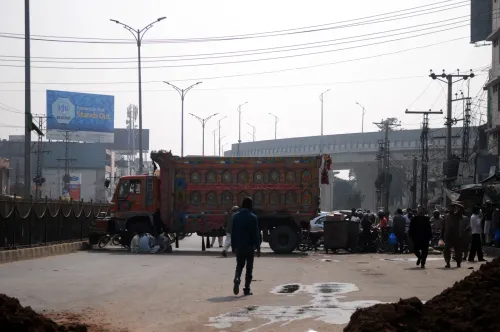
The report documented a wide range of rights violations, including threats to the rights to life, liberty, and security of person; freedom of expression, peaceful assembly, and association; freedom of movement; access to information; and participation in public affairs. Prolonged internet and mobile shutdowns, restrictions on movement, disruption of access to essential commodities and healthcare, and the arrests of activists and journalists were cited as factors that severely narrowed civic space in PoK.
Allegations of Lethal Force and Arbitrary Detention
The HRCP expressed serious concern over allegations of lethal and excessive force used against protesters. Authorities provided casualty figures for security personnel, but the commission reported that it did not receive corresponding data on civilian deaths and injuries. It received multiple accounts alleging that protesters had been killed or seriously injured by security forces, though it could not independently verify the full scale or circumstances — particularly in Rawalakot, which remained inaccessible to the mission.
The report also flagged concerns over arbitrary or inadequately documented arrests of political activists, journalists, and others linked to the protests. The placement of at least 147 Joint Awami Action Committee (JAAC) activists on the Fourth Schedule — with additional names reportedly added — and the invocation of anti-terrorism laws against those engaged in political dissent raised serious questions about necessity and proportionality, according to the HRCP.
Press Freedom and Electoral Environment Under Scrutiny
Restrictions on journalism and access to information further constrained civic space, the commission found. Arrests of journalists, denial of access to affected areas, special security requirements, and the prolonged communications blackout severely limited independent reporting from PoK.
The HRCP also noted that elections in PoK were conducted within a deeply constrained civic environment. Heavy security deployments, communications restrictions, a boycott by major political actors, phased polling, postponed constituencies, and allegations of irregularities collectively undermined the conditions under which citizens could exercise their political rights. The commission's inability to access Rawalakot further restricted its independent assessment of events central to the electoral controversy.
HRCP's Demands and Recommendations
The HRCP called for independent investigations into deaths, injuries, and alleged human rights violations in PoK. It demanded a review of due process in cases arising from the protests, and urged the reversal of the proscription of the JAAC along with the withdrawal of anti-terrorism charges against its members.
The commission further demanded the protection of freedom of expression, peaceful assembly, and independent journalism, and called for an end to disproportionate restrictions on communications and movement. It urged an inclusive political dialogue on the grievances raised by the people of PoK, a constitutional and inclusive resolution of the 12 refugee seats question, and an independent assessment of the 2026 electoral process.
Background: How the Unrest Escalated
According to the report, the HRCP began monitoring the political situation in PoK after tensions escalated between the JAAC and the authorities from 30 May onwards. The fact-finding mission drew on field-based inquiries, interviews, documentary evidence, a stakeholder roundtable in Islamabad, and a subsequent election observation exercise.
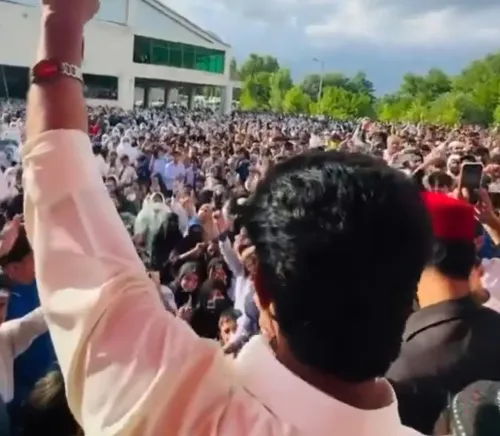
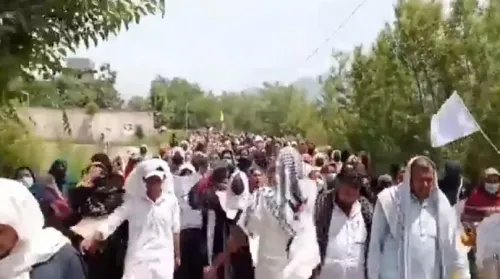
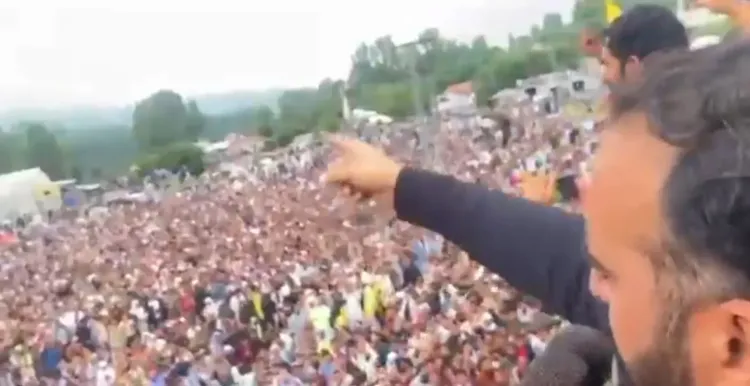
In recent months, PoK witnessed what observers have described as the most extensive confrontation between the local population and the Pakistani state in decades. The protests initially erupted over rising electricity tariffs and the cost of essential commodities, but reportedly transformed into a broader movement demanding political reforms, greater accountability, and representative governance. Videos circulated on social media, including on handles associated with the JAAC, have shown security force deployments during the unrest, though their full context could not be independently verified.
The HRCP's report signals that without a substantive political response to the region's underlying grievances, the conditions that triggered the unrest remain unresolved.
Point of View
Suggesting a systemic approach rather than an isolated overreaction. The HRCP's demand for inclusive dialogue is unlikely to gain traction without external pressure; Islamabad has historically treated PoK as an administrative matter, not a political one.
NationPress
31 Aug 2026
Frequently Asked Questions
What did the HRCP report on PoK conclude?
The Human Rights Commission of Pakistan concluded that the unrest in Pakistan-occupied Kashmir resulted from longstanding political and socioeconomic grievances, institutional distrust, governance deficits, and a confrontational state response including disproportionate use of force. The report, titled 'Civic Spaces under Strain,' called for an independent investigation into rights violations and inclusive political dialogue.
What is the JAAC and why were its members targeted?
The Joint Awami Action Committee (JAAC) is the protest group that led demonstrations in PoK over rising electricity tariffs and the cost of essential commodities. At least 147 JAAC activists were placed on the Fourth Schedule — a counter-terrorism watch list — with additional names reportedly added, and anti-terrorism laws were invoked against members engaged in political dissent, raising concerns about proportionality.
Were civilian casualties confirmed in the PoK unrest?
The HRCP received multiple accounts alleging that protesters were killed or seriously injured by security forces, but could not independently verify the full scale or circumstances — particularly in Rawalakot, which remained inaccessible to the mission. Authorities provided casualty figures for security personnel only; no official data on civilian deaths or injuries was shared with the commission.
How did the unrest affect the 2026 PoK elections?
The HRCP found that the 2026 PoK elections were conducted within a severely constrained civic environment, marked by heavy security deployments, communications restrictions, a boycott by major political actors, phased polling, postponed constituencies, and allegations of irregularities. The commission's inability to access Rawalakot limited its independent assessment of key electoral events.
What did the HRCP recommend to address the PoK crisis?
The HRCP demanded independent investigations into deaths and rights violations, a review of anti-terrorism cases against JAAC members, an end to communications blackouts and movement restrictions, protection of press freedom, and an inclusive political dialogue on PoK's grievances. It also called for a constitutional resolution of the 12 refugee seats question and an independent assessment of the 2026 electoral process.