Rubio says China gave no military aid to Iran, urges UN vote on Hormuz
Synopsis
Washington's verdict on Beijing's role in the Iran crisis is in: cautious, not complicit. Rubio told Congress China has not aided Iran militarily but warned that a closed Strait of Hormuz will hit Chinese exports too — and pressed Beijing to back a UN resolution rather than veto it. For India, the chokepoint risk is just as real.
Key Takeaways
US Secretary of State Marco Rubio said China has provided no military assistance to Iran during the conflict.
Rubio urged Beijing to support a UN Security Council resolution on freedom of navigation through the Strait of Hormuz .
He warned that a prolonged disruption would hurt China's export-driven economy and energy supplies.
A vessel bound for China was reportedly struck during the crisis, highlighting spillover risks.
For India , any sustained Hormuz disruption could pressure crude prices, shipping costs and Asian supply chains.
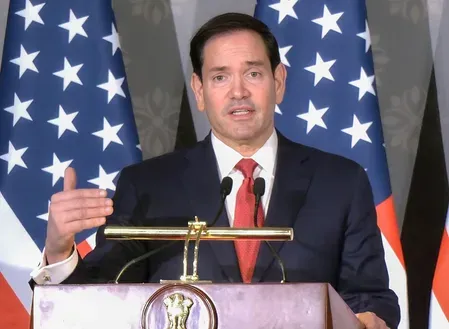
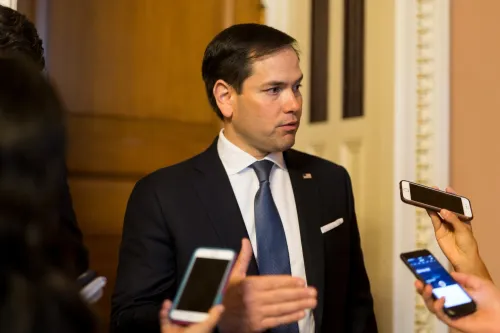
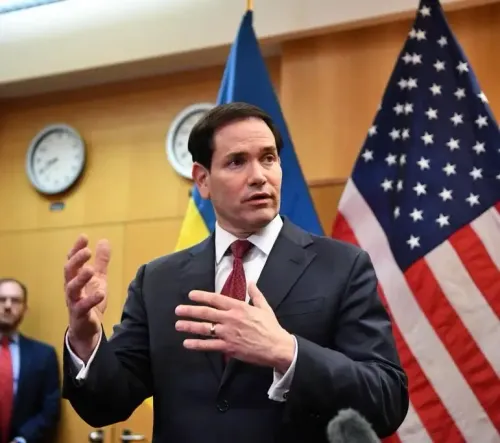
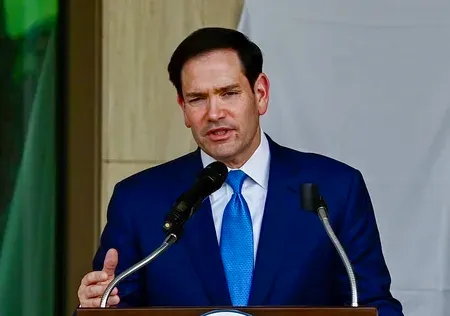
US Secretary of State Marco Rubio on Tuesday told lawmakers in Washington that the United States has seen no evidence of China providing military assistance to Iran during the ongoing regional crisis, while pressing Beijing to back international efforts to keep the Strait of Hormuz open to global shipping. The remarks, delivered at a House Appropriations Subcommittee hearing, offer one of the clearest US assessments yet of Beijing's posture in the conflict.
What Rubio told lawmakers
Responding to questions about Beijing's ties with Tehran during recent hostilities, Rubio said, ‘I would say that China has not provided any assistance to Iran in any way impeded our operations or ability to operate.' He acknowledged that Iran continues to operate military equipment of Chinese origin and maintains long-standing ties with Beijing, but said Washington had observed no recent Chinese action that altered the battlefield dynamic.
‘We have seen no signs in the short term that during this situation that anything they've been providing them has in any way changed the dynamic in the battlefield,' Rubio said. He characterised China's overall approach as restrained, adding, ‘I think they've been quite cautious about engaging themselves in it.'
Pressure on Beijing at the UN
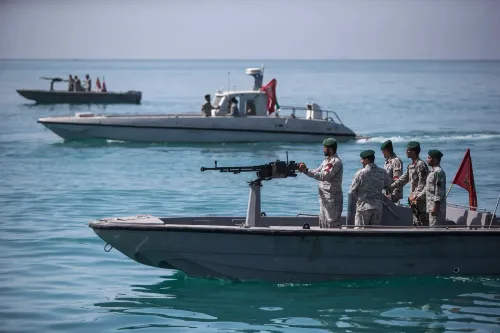
Rubio used the hearing to push China toward a more active diplomatic role at the United Nations, particularly on a US-backed Security Council resolution aimed at safeguarding maritime traffic through the Strait of Hormuz — a chokepoint that handles a substantial share of the world's seaborne oil.
‘If, in fact, they are against the closure of the Straits, they should be endorsing this or at a minimum, abstaining and not using a veto of it,' Rubio said. He argued that Beijing has strong economic reasons to act, warning, ‘As time goes on, the Chinese economy will begin to be negatively impacted by what the Iranians are doing.'
Economic stakes for China
The Secretary noted that China remains among the world's largest trading nations and flagged the risk that prolonged disruption to Gulf shipping lanes could squeeze both its energy imports and export markets. ‘For an export-driven economy like China, to have countries around the world ability to purchase diminish as more of that goes towards fuel, that will begin to have an impact on their exports as well,' he said.
Rubio also disclosed that a vessel bound for China had recently been struck during the crisis, underscoring the spillover risks for non-combatant trade flows.
Why it matters for India
For India, the stakes are considerable. Both India and China are among the largest importers of crude moved through the Gulf, and any sustained instability in the Strait of Hormuz could ripple through oil prices, freight rates, and Asian supply chains. Indian refiners have historically relied on Gulf cargoes for a significant share of their crude basket, leaving New Delhi exposed to any extended squeeze on shipping.
What happens next
The US-backed Security Council draft on Hormuz navigation is expected to test how far Beijing is willing to align with international pressure on Tehran. With energy markets already jittery, the response from China — endorsement, abstention, or veto — will shape the next phase of the diplomatic standoff.
Point of View
Washington is boxing Beijing into a binary: either show up as a stakeholder in global trade stability, or own the consequences of obstruction. For India, the subtext matters more than the headline — New Delhi has no luxury of strategic ambiguity when nearly two-thirds of its crude transits this corridor, and a Chinese veto would force harder choices on diversification and strategic reserves.
NationPress
24 Sept 2026
Frequently Asked Questions
Has China provided military assistance to Iran during the conflict?
According to US Secretary of State Marco Rubio, no. Testifying before a House Appropriations Subcommittee, Rubio said Washington has seen no evidence of Chinese military aid altering the battlefield dynamic, though he acknowledged Iran continues to use Chinese-origin equipment from earlier ties.
What is the US asking China to do at the United Nations?
The US wants China to back — or at least not veto — a UN Security Council resolution aimed at preserving freedom of navigation through the Strait of Hormuz. Rubio said Beijing should either endorse the measure or abstain, given the global stakes for shipping and energy.
Why does the Strait of Hormuz matter for India?
The Strait of Hormuz is a critical chokepoint for global oil shipments, and India is one of the largest importers of crude moved through the Gulf. Any sustained disruption could push up oil prices, raise freight costs, and strain supply chains across Asia.
What did Rubio say about the economic impact on China?
Rubio warned that prolonged instability would hurt China's export-driven economy by reducing the purchasing power of its trading partners as more of their spending shifts to fuel. He also revealed that a China-bound vessel was struck during the crisis, underscoring the direct trade risks.